Manufacturing: Bricks/Clay
/Concrete
A guide to inspection frequencies and applicable legislation for typical plant and equipment utilised across the UK and Ireland
Employers have a duty of care to ensure the health, safety and welfare of their employees. Periodic inspections and/or thorough examinations on their plant and equipment form part of this vital duty, whilst also ensuring employer conformity to applicable health and safety legislation.
Manufacturers rely on a wide range of equipment and process plant for their day-to-day operations, with various work processes occurring depending on the type of business operation.
Plant and equipment within the workplace needs to be examined and properly maintained to ensure it is safe to operate, and that it complies with applicable health and safety legislation; requiring statutory examinations at specific intervals, which exist outside normal equipment maintenance and servicing procedures.
Regular inspections may also serve as a good preventative maintenance programme to ensure the integrity of plant and equipment; helping to minimise machinery breakdowns and production downtime.
Inspection frequencies
Different types and categories of equipment have varying inspection frequencies according to applicable health and safety legislation.
Typical equipment and installations found within the brick, clay and concrete production industries are listed below, together with the applicable legislation, inspection frequencies, and images.
UK
Lifting
| Applicable legislation (1) | Typical equipment | Inspection/thorough examination frequency (months) | Equipment image |
|---|---|---|---|
| Lifting Operations and Lifting Equipment Regulations 1998 | Blocks (manual/powered) | 12 | Link |
| Jib crane (manual/powered) | 12 | Link | |
| Lorry-mounted crane (excl. vehicle) | 12 | Link | |
| Fork-lift truck | 12 | Link | |
| Fork-lift truck: lifting attachments | 12 | ||
| Loading shovel with back actor | 12 | Link | |
| Scissor lift | 6/12 | Link | |
| Excavator (with lifting duties) | 12 | Link | |
| Trolley | 12 | Link | |
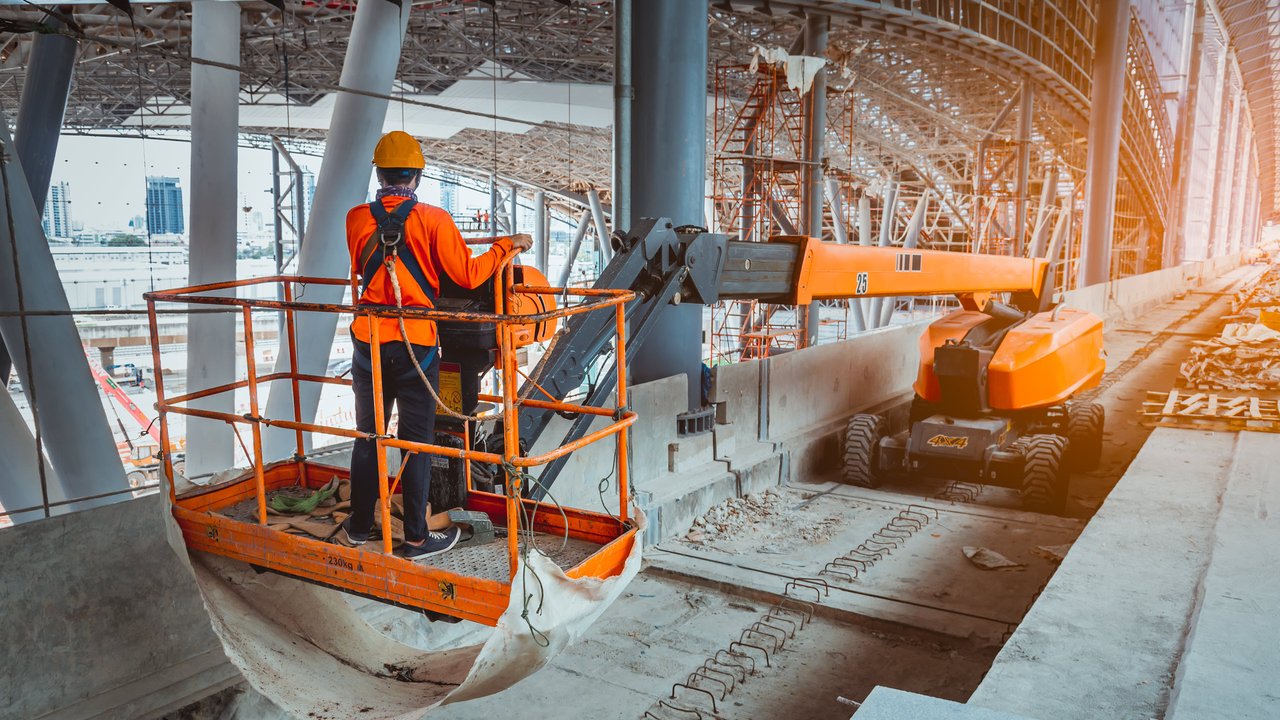
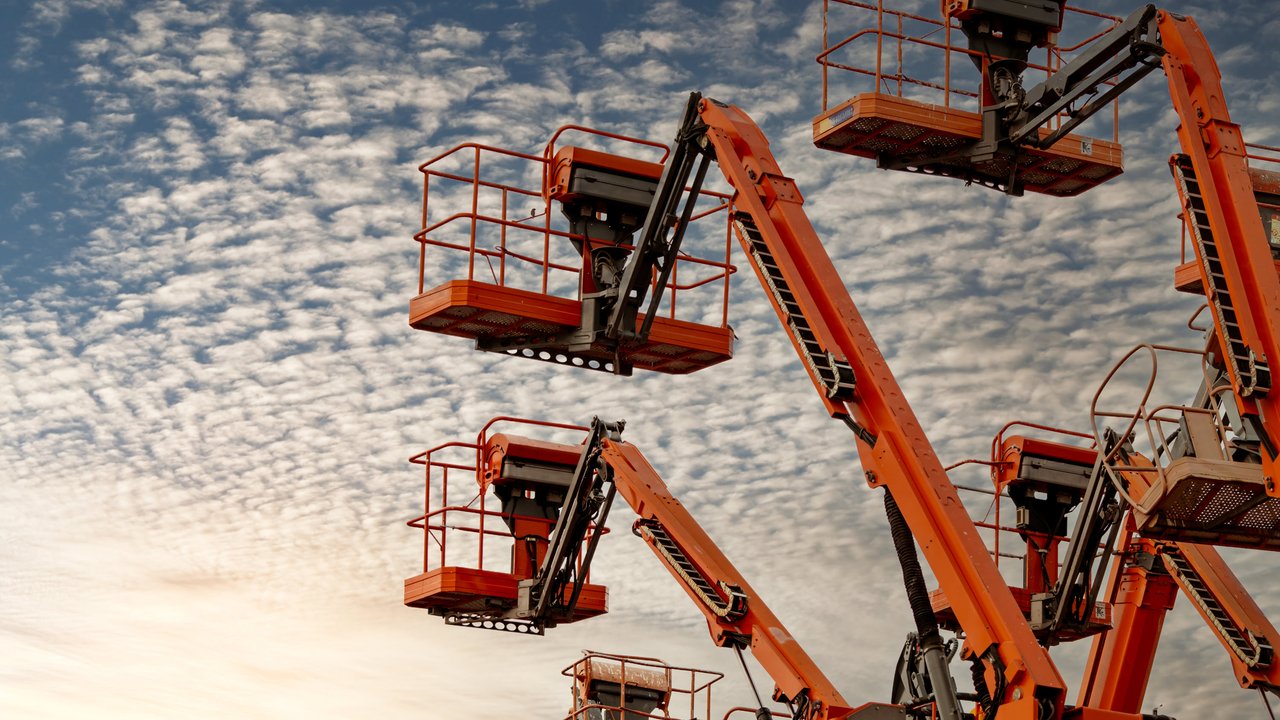
| Mobile elevating working platform (MEWP) | 6 | Link | |
| Overhead travelling crane | 12 | Link | |
| Vacuum lifter | 6 | ||
| Lifting magnet | 6 | Link | |
| Jack (e.g. bottle/trolley/transmission jack) | 12 | Link | |
| Lifting beam (and frame/lifting attachments) | 12 | ||
| Pallet truck | 12 | Link | |
| Manual chain block and winches | 12 | Link | |
| Miscellaneous lifting accessories | 6 | Link |
Boiler/Pressure
| Applicable legislation (1) | Typical equipment | Inspection/thorough examination frequency (months) (2) | Equipment image |
|---|---|---|---|
| Pressure System Safety Regulations 2000 | Air receiver (>250 bar/litres) | 26 | Link |
| Air/oil receiver | 72 | ||
| Hydraulic accumulator | 12 |
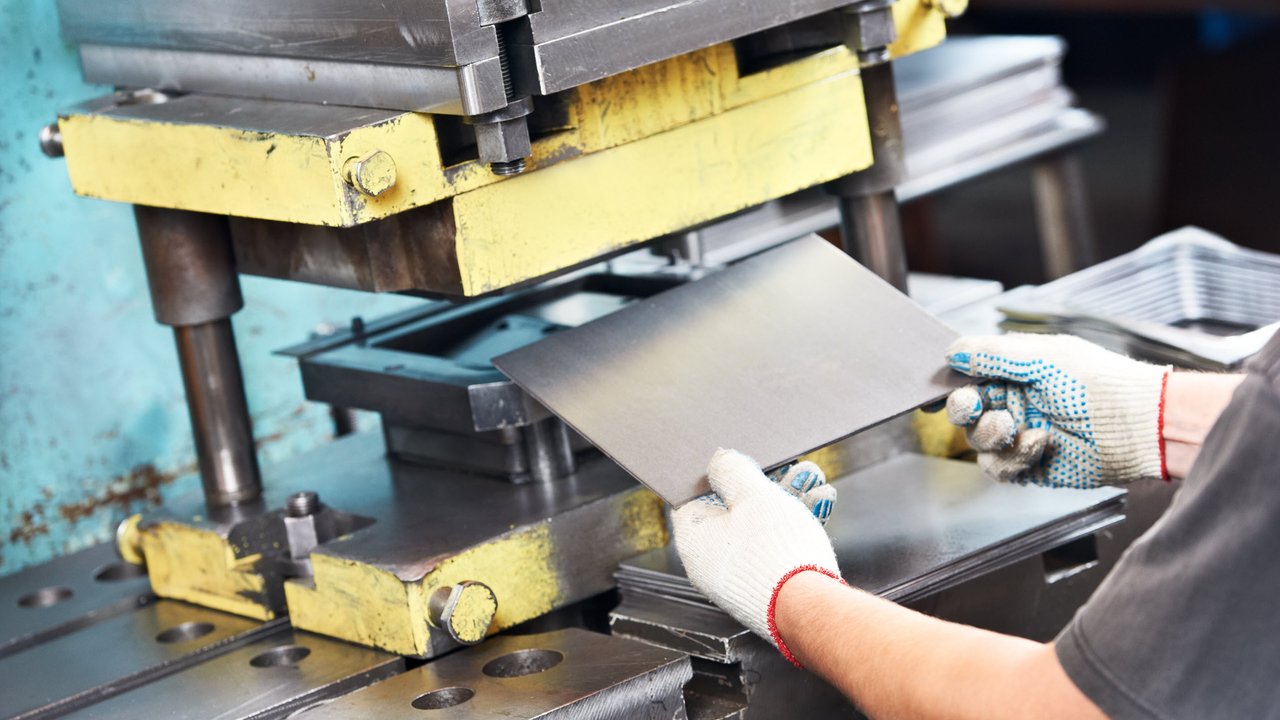
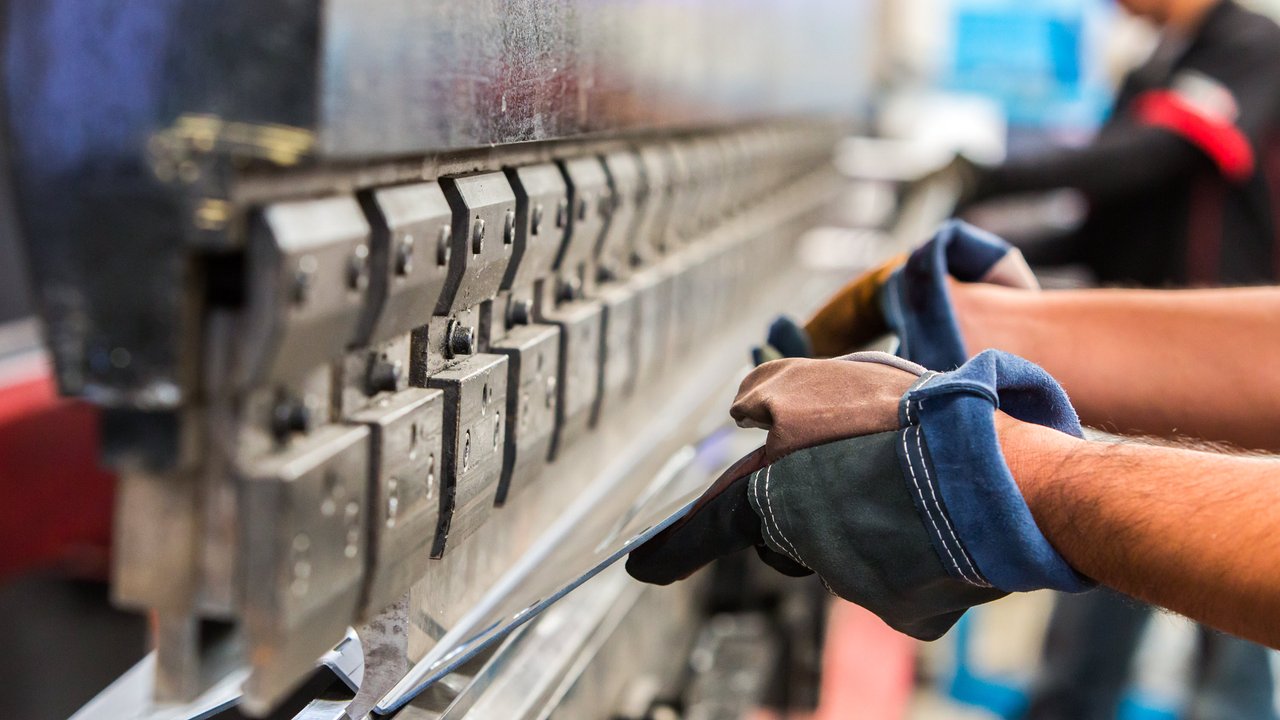
Power Presses
| Applicable legislation (1) | Typical equipment | Inspection/thorough examination frequency (months) | Equipment image |
|---|---|---|---|
| Provision and Use of Work Equipment Regulations 1998 | Process machinery with guards (e.g. rotary index moulding machine, etc.) | 6/12 | Link |
Electrical/Mechanical Plant
| Applicable legislation (1) | Typical equipment | Inspection/thorough examination frequency (months) | Equipment image |
|---|---|---|---|
| Provision and Use of Work Equipment Regulations 1998 | Process machinery | 12 | Link |
| Racking | 12 | ||
| Axle stand/support | 12 | Link | |
| General mechanical and electrical plant (e.g. motors, pumps, etc.) | 12 | Link | |
| Safety equipment items | 6-12 |
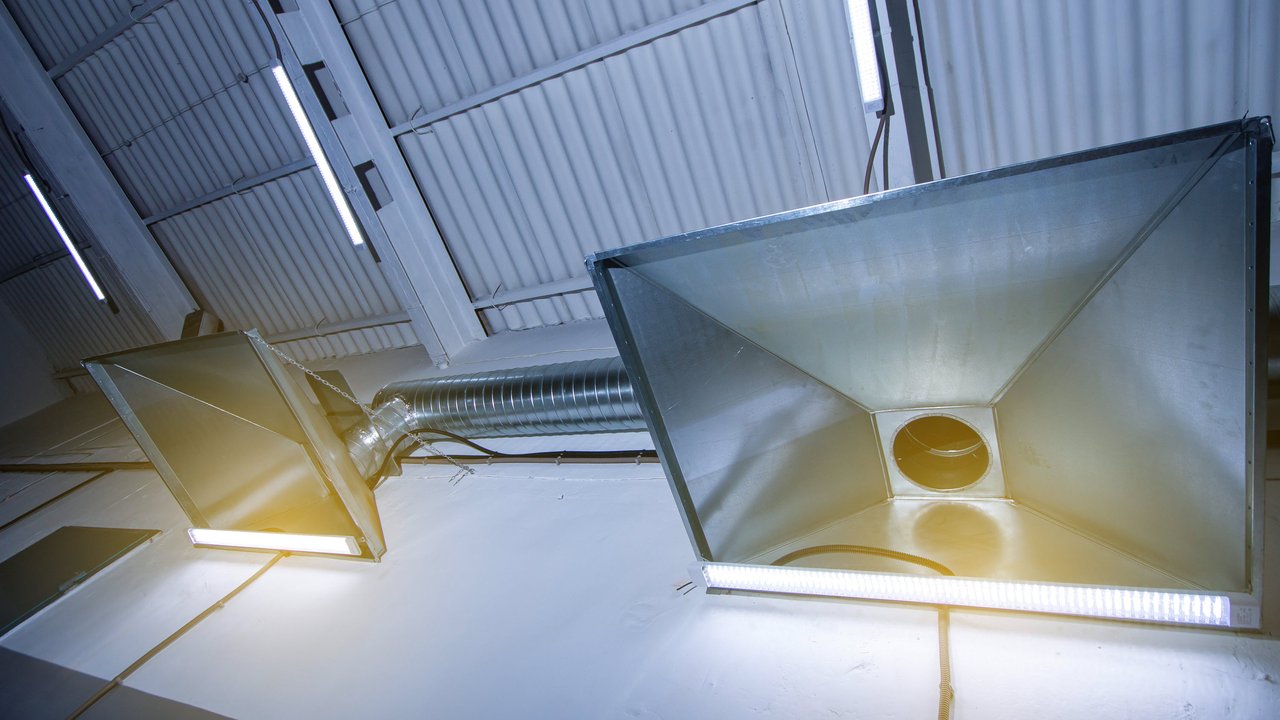
Local Exhaust Ventilation
| Applicable legislation (1) | Typical equipment | Inspection/thorough examination frequency (months) |
|---|---|---|
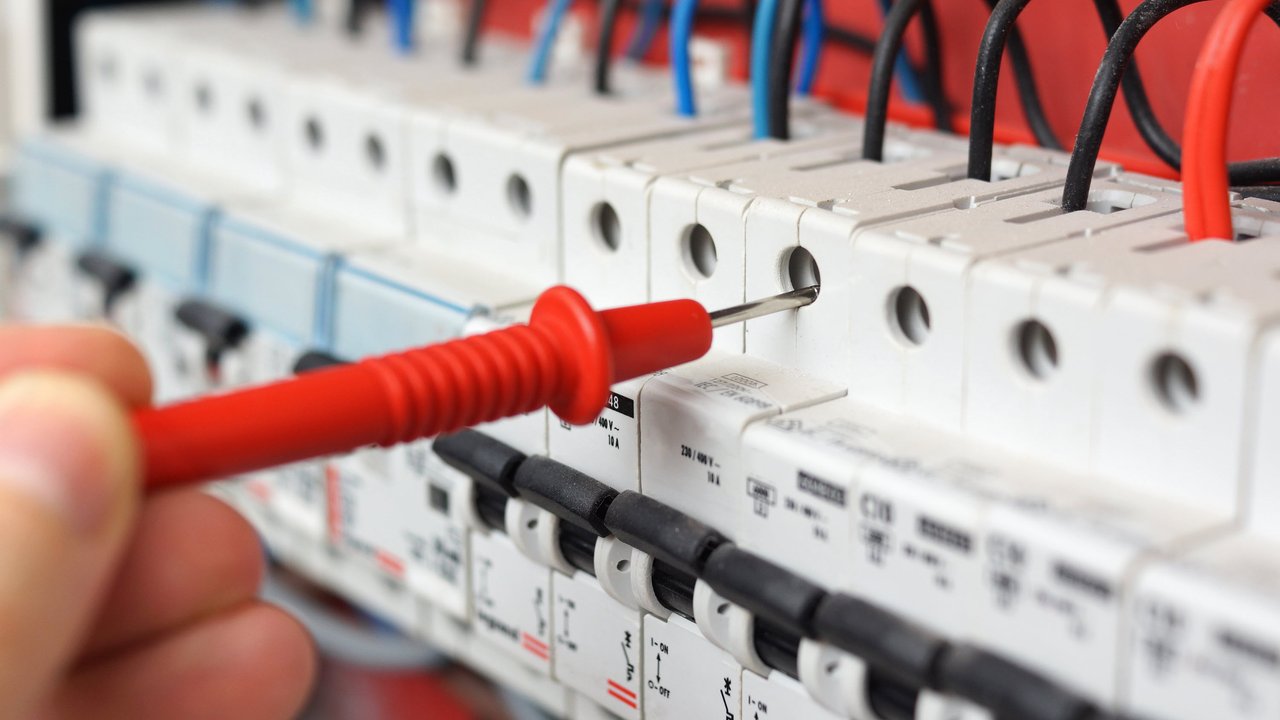
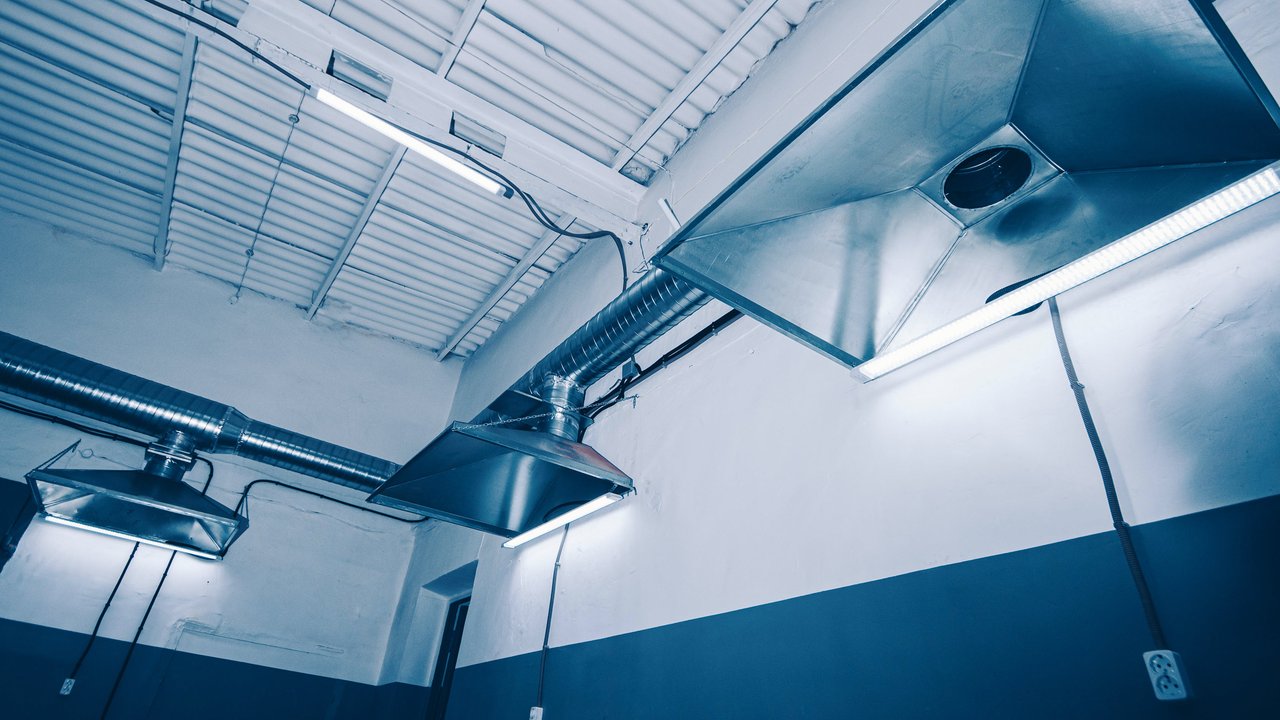
| The Control of Substances Hazardous to Health Regulations 2002 | Dust extraction | 14 |
| Fume extraction | 14 |
Electrical Systems
| Applicable legislation (1) | Typical equipment | Inspection/thorough examination frequency (months) (2) | Equipment image |
|---|---|---|---|
| Electricity at Work Regulations 1989 | Low voltage electrical installations | 36 | Link |
| Portable appliances | 12 |
Ireland
Lifting
| Applicable legislation (1) | Typical equipment | Inspection/thorough examination frequency (months) | Equipment image |
|---|---|---|---|
| Lifting Operations and Lifting Equipment Regulations 1998 | Blocks (manual/powered) | 12 | Link |
| Jib crane (manual/powered) | 12 | Link | |
| Lorry-mounted crane (excl. vehicle) | 12 | Link | |
| Fork-lift truck | 12 | Link | |
| Fork-lift truck: lifting attachments | 12 | ||
| Loading shovel with back actor | 12 | Link | |
| Scissor lift | 6/12 | Link | |
| Excavator (with lifting duties) | 12 | Link | |
| Trolley | 12 | Link | |
| Mobile elevating working platform (MEWP) | 6 | Link | |
| Overhead travelling crane | 12 | Link | |
| Vacuum lifter | 6 | ||
| Lifting magnet | 6 | Link | |
| Jack (e.g. bottle/trolley/transmission jack) | 12 | Link | |
| Lifting beam (and frame/lifting attachments) | 12 | ||
| Pallet truck | 12 | Link | |
| Manual chain block and winches | 12 | Link | |
| Miscellaneous lifting accessories | 6 | Link |
Boiler/Pressure
| Applicable legislation | Typical equipment | Inspection/thorough examination frequency (months) | Equipment image |
|---|---|---|---|
| S.I. No. 445 of 2012: Safety, Health and Welfare at Work (General Application) (Amendment) Regulations 2012 | Air receiver (>250 bar/litres) | 26 | Link |
| Air/oil receiver | 72 | ||
| Hydraulic accumulator | 12 |
Power Presses
| Applicable legislation | Typical equipment | Inspection/thorough examination frequency (months) | Equipment image |
|---|---|---|---|
| S.I. No. 299 of 2007: Safety, Health and Welfare at Work (General Application) Regulations 2007 | Process machinery with guards (e.g. rotary index moulding machine, etc.) | 6/12 | Link |
Electrical/Mechanical Plant
| Applicable legislation | Typical equipment | Inspection/thorough examination frequency (months) | Equipment image |
|---|---|---|---|
| S.I. No. 299 of 2007 (Regulation 30): Safety, Health and Welfare at Work (General Application) Regulations 2007 | Process machinery | 12 | Link |
| Racking | 12 | ||
| Axle stand/support | 12 | Link | |
| General mechanical and electrical plant (e.g. motors, pumps, etc.) | 12 | Link | |
| Safety equipment items | 6/12 |
Local Exhaust Ventilation
| Applicable legislation | Typical equipment | Inspection/thorough examination frequency (months) (1) |
|---|---|---|
| Health & Safety Authority: Local Exhaust Ventilation (LEV) Guidance document | Dust extraction | 12 |
| Fume extraction | 12 |
Electrical systems
| Applicable legislation | Typical equipment | Inspection/thorough examination frequency (months) | Equipment image |
|---|---|---|---|
| S.I. No. 299 of 2007 (Part 3): Safety, Health and Welfare at Work (General Application) Regulations 2007 | Low voltage electrical installations | 36 - Industrial (1) | Link |
| 60 - Commercial (1) | Link | ||
| Portable appliances | 3-60 (2) |
How HSB can help
HSB Inspection Services: Our network of multi-disciplined Engineer Surveyors help customers throughout the UK and Ireland to maintain workplace equipment safety, optimise the efficiency of plant and equipment, and comply with applicable health and safety legislation; covering boiler/pressure, lifting, electrical/mechanical, dust and fume extraction, power press equipment, and fixed wiring installations.
Engineering Consultancy Services: We can help businesses to reduce equipment risks and costs whilst achieving regulatory compliance.