Climatic conditions this year suggest that there will likely be slightly fewer hurricanes in the North Atlantic than the long-term average. On the other hand, these conditions are conducive to the formation of typhoons in the Northwest Pacific, which are more likely to hit Japan, the Greater China region or Korea.
This is due to the natural climate pattern ENSO (El Niño/Southern Oscillation) in the Pacific, which influences the frequency and severity of weather disasters in many regions of the world through its long-range effects. An El Niño phase is forecast to begin this summer, bringing anomalously warm sea surface temperatures to Central and Eastern equatorial Pacific. By the end of the year, the phenomenon will likely intensify into a rarely seen “Super El Niño” – a term used to describe events where sea surface temperature anomalies in the equatorial Pacific exceed 2°C, increasing potential global impacts.
Through its long-range atmospheric effects, El Niño events have a significant influence on various weather phenomena around the world. In the case of tropical cyclones, for example, El Niño phases tend to inhibit the formation of hurricanes in the tropical North Atlantic, whilst making the formation of hurricanes in the Eastern Pacific off the west coast of the US and Mexico more likely. The typhoon season in the Northwest Pacific also tends to be more active under El Niño conditions.
In figures:
Hurricanes in the North Atlantic
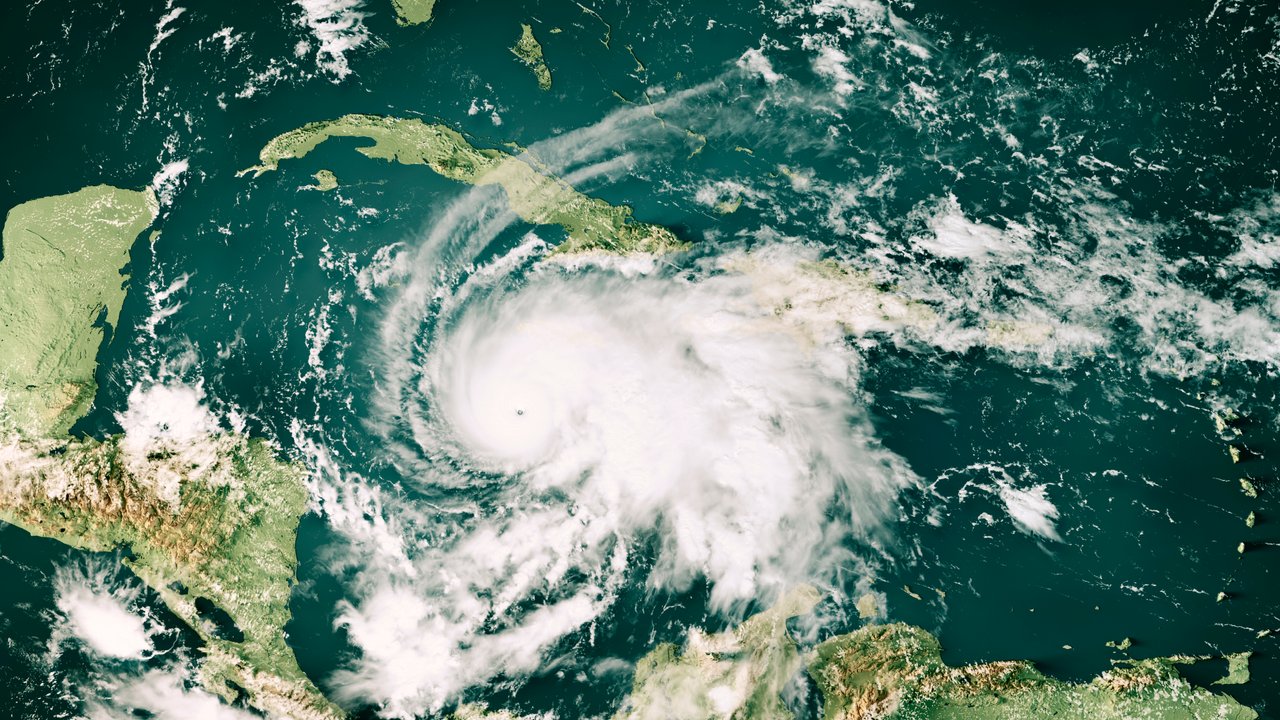
Based on the latest analysis of climatological conditions, Munich Re expects slightly fewer storms than usual for the 2026 hurricane season. Based on the average of estimates from leading research institutes1, around 12 or 13 named cyclones will likely form in the tropical North Atlantic. Roughly five or six of these could develop into hurricanes, including two potentially major hurricanes with wind speeds of over 110 mph (177 km/h). However, individual institutes’ respective forecasts vary considerably.
Despite the prevailing conditions, which are likely to have a dampening effect on Atlantic activity, these forecasts are only slightly below the long-term average for the past 30 years (15.6 named storms, including 7.6 hurricanes and 3.5 severe hurricanes), which have been characterised by a warm phase in sea surface temperatures in the tropical North Atlantic (the so-called Atlantic Multidecadal Variability, AMV), which is associated with increased tropical cyclone activity.
Along with ENSO, sea surface temperatures in the tropical North Atlantic are the main factor influencing seasonal hurricane activity. Water temperatures in the tropical North Atlantic and the Gulf of Mexico are currently above average, which could lead to more storms than usual in the early part of the hurricane season before El Niño conditions fully develop. El Niño also influences potential storm tracks, as it tends to make hurricanes turn northward earlier. This could reduce the number of storms that enter the Caribbean Sea and Gulf of Mexico while elevating the risk of storms making landfall in the southern states of the US East Coast.
Predicting the number and intensity of storms that make landfall is extremely difficult. It is important to bear in mind that just one severe tropical cyclone striking a densely populated region can produce tremendous losses, even during a relatively calm storm season. In 1992, Hurricane Andrew devastated the state of Florida in the midst of an El Niño event, prompting the insurance sector to rethink the nature and frequency of particularly severe storms.
~US$ 64bn
Losses caused by Hurricane Andrew in 1992 (adjusted for inflation) - Nearly two-thirds of which were covered by insurers
Hurricanes in the Northeast Pacific

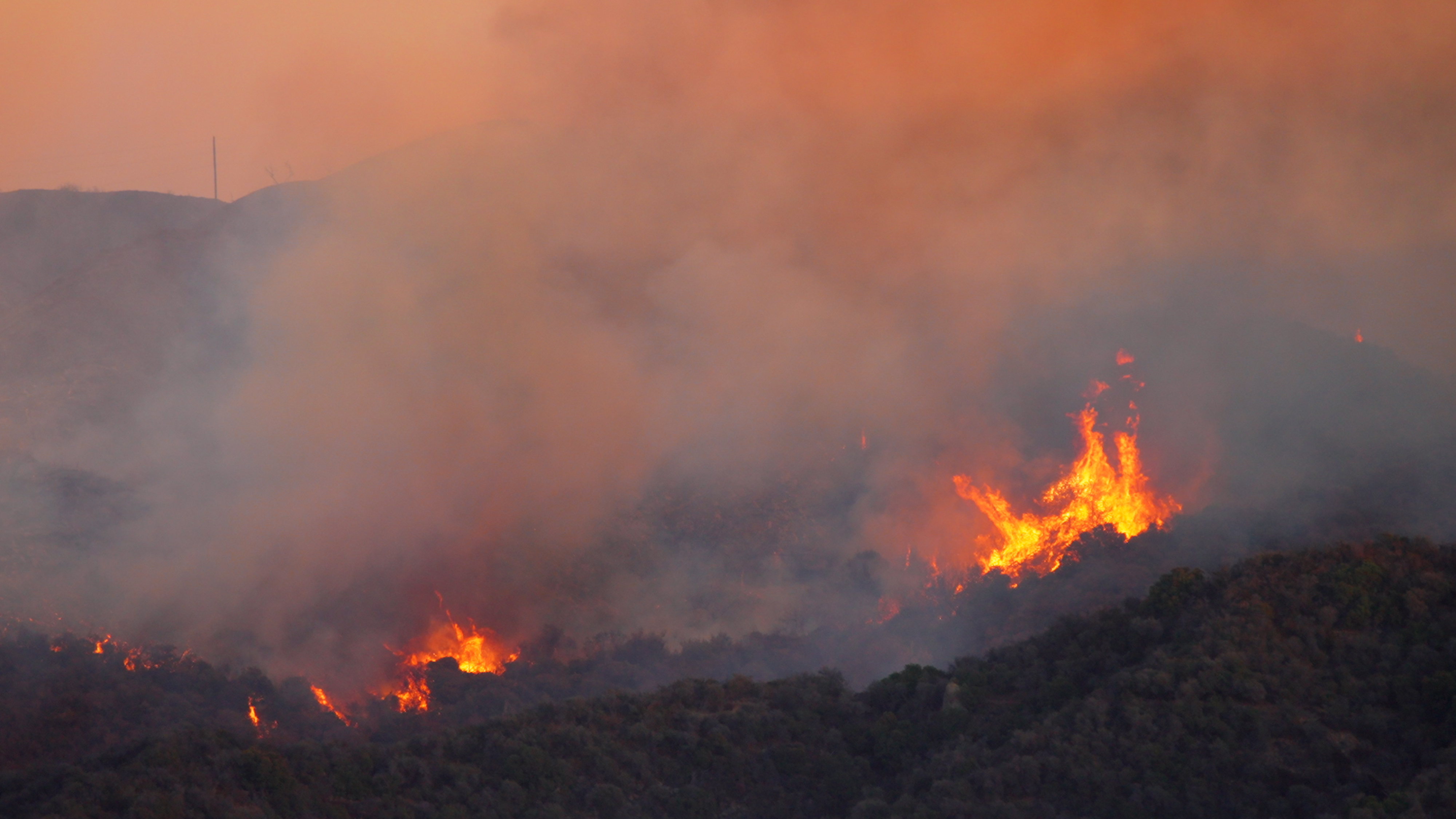
Buildings destroyed by Hurricane Otis in Acapulco
Unlike in the North Atlantic, hurricanes in the Northeast Pacific, to the west of the US and Mexico, are more likely to occur during an El Niño phase.
During the El Niño of 2023, the extremely powerful Hurricane Otis devastated the tourist resort of Acapulco on Mexico’s west coast. Overall losses were around US$ 14bn (adjusted for inflation), including insured losses of nearly US$ 5bn.
Typhoons in the Northwest Pacific

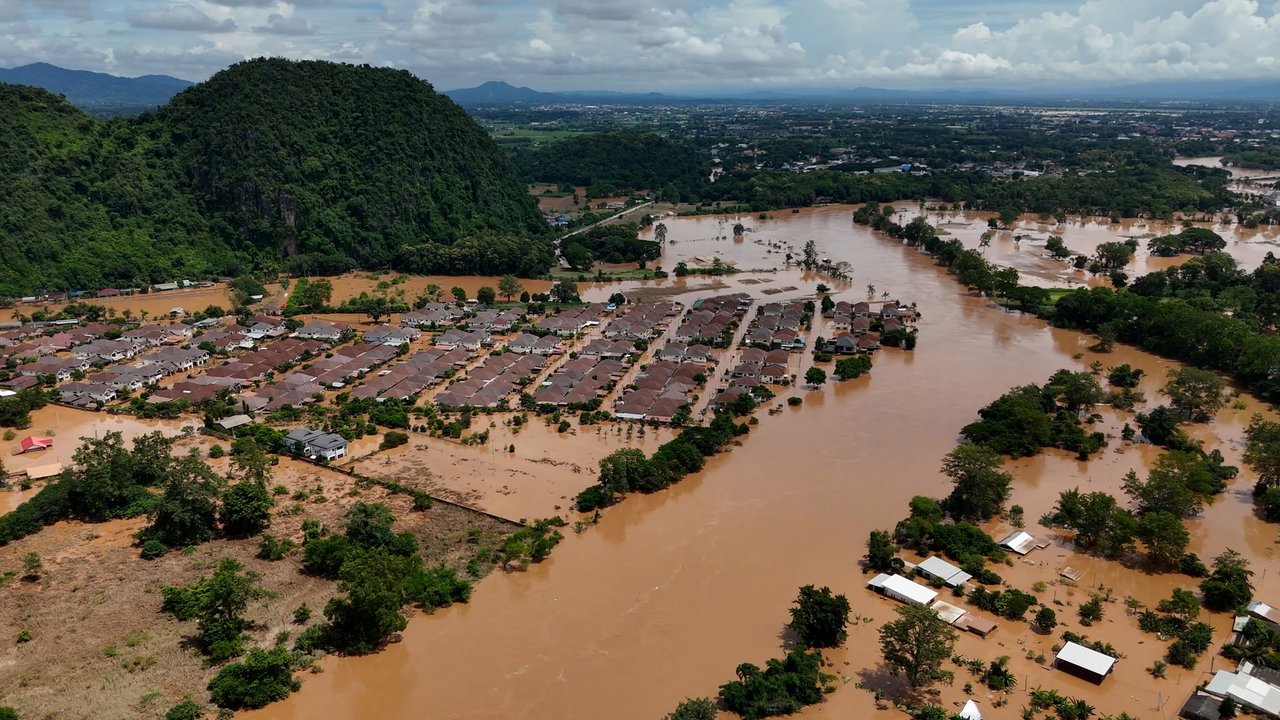
Damage caused by Super Typhoon Mangkhut in Hong Kong 2018
Much like with hurricanes in the Northeast Pacific, El Niño conditions favour the formation of tropical cyclones in the Northwest Pacific as well. Consequently, this year’s typhoon season is likely to produce more storms than the long-term average (over the past 30 years: 24.5 named storms, including 15 typhoons and 8.7 super typhoons). An initial study (TSR)² currently calls for storm activity to exceed the 30-year average in 2026, with 27 named storms, 18 typhoons and 11 severe typhoons.
In the Northwest Pacific, different ENSO conditions have an impact on where tropical cyclones form and track. During El Niño conditions, typhoon tracks tend to lie further to the northeast – that is, toward eastern China, Korea and Japan – whereas during neutral or La Niña conditions, storms tend to hit southern China, the Philippines and Vietnam. Furthermore, scientists expect that in the long term, climate change will likely shift typhoon paths poleward, thereby increasing the risk of typhoons in the East China Sea and Japan over time. Taken together, the overall typhoon risk for the Greater China region, Korea and Japan is expected to be significantly higher this year.
X11_consent-in-forms.jpg/_jcr_content/renditions/original./Raedler_Anja_n340032_(c)X11_consent-in-forms.jpg "Anja Rädler")
Unlike in previous years, the outlook for this cyclone season is relatively clear: given the El Niño conditions, we can expect to see a slightly weaker hurricane season and a stronger typhoon season. However, even in quieter seasons, there can always be very serious events that are impossible to predict. In order to minimise losses, the focus must be on prevention. As history has shown, even a single storm can produce massive losses.
North America: by far the largest percentage of tropical cyclone-related losses
Tropical cyclones are known by different names in different ocean basins: hurricanes in the North Atlantic and Northeast Pacific, typhoons in the Northwest Pacific, and cyclones in the Indian Ocean and South Pacific. Tropical cyclones in North America and the Caribbean cause the highest levels of damage by far: three-quarters of the total inflation-adjusted losses since 1980 (around US$ 1.8tn out of around US$ 2.4tn) and as much as 90% of all insured losses (around US$ 800bn out of just under US$ 900bn) were caused by such storms in these regions. Asia and Australia/Oceania accounted for 24% of total losses and only around 11% of insured losses between 1980 and 2025.
In 2025, losses caused by tropical cyclones remained relatively limited, mainly because none of them – including some that were extremely severe – made landfall on the US mainland.
The hurricane season officially begins on 1 June and continues until the end of November. Storms are also possible shortly before or after this period, but are significantly less likely. Typhoons, however, can still develop until January or even February, particularly in the year-round warm southern Northwest Pacific, e.g. near the Philippines.
1 Colorado State University, Tropical Storm Risk 2 Tropical Storm RiskExperts