
An overview and comparison of US insurance buyers’ and sellers’ top risk concerns
Established in 2024, the RiskScan survey was conducted again in 2026. To produce a compelling snapshot of cross-market views, Munich Re US and the Triple-I engaged independent market researcher RTi Research, capturing the insights of over 800 individuals from five diverse market segments comprising US-based consumers, small business owners (SBOs), middle market decision-makers (MM decision-makers), P&C insurance agents/brokers, and P&C insurance carriers.
This report provides an overview and commentary from top insurance industry experts on key topics, including insurance-related risks, natural disasters, emerging technologies, P&C insurance costs, overall market dynamics, and the role (re)insurance plays in the functioning of everyday society.

As insurance professionals, we are dedicated to driving positive change. We identify and mitigate risks across the entire ecosystem, from consumers to carriers. And these risk insights help us to develop innovative solutions that align with our clients’ core priorities.
RiskScan 2026 overall results
RiskScan 2026 shows that US insurance buyers and sellers are increasingly aligned on the risks reshaping the market — but significant protection gaps remain. The survey highlights a risk environment defined by interconnected threats rather than isolated events.
Across all audiences, cyber incidents, economic pressures, artificial intelligence (AI), business interruption, and natural catastrophes rank as the top concerns. Non-peak perils — such as floods, severe storms, winter weather, and wildfires — are now viewed as frequent, high-impact risks, challenging traditional assumptions about catastrophe exposure and diversification.
AI has become the most impactful emerging technology, reflecting both its rapid adoption and the growing need to manage new forms of operational, regulatory, and liability risk. At the same time, respondents increasingly recognize that rising insurance costs are driven not only by inflation and catastrophe losses, but also by legal system abuse.
RiskScan 2026 also identifies persistent gaps between risk awareness and coverage — particularly for flood and cyber insurance — underscoring the need for better education, innovation, and collaboration across the insurance ecosystem.
Collectively, the findings reinforce the critical role of insurance — not just as a financial backstop after loss, but as a critical partner in resilience, risk prevention, and long-term economic stability.
RiskScan 2026 highlights the insurance industry’s need to accelerate development in the areas that matter most to P&C clients and their policyholders. Insurers are enhancing their cyber offerings, advancing new models for emerging nonpeak perils, and developing forward-thinking products designed to help businesses navigate evolving AI-related exposures.
2026 vs. 2024 comparison
Perception vs. action
One area where there is still a gap of understanding lies between concern and coverage. The survey uncovered less concern about flood on the part of consumers than expressed by insurance professionals and businesses who ranked flood as one of the top two most pressing natural disasters.
This knowledge gap highlights the need for greater awareness among consumers about their flood risk, and the exclusions and limitations of their homeowners policies.
In 2024, a third gap showed in the factors driving the rise in P&C insurance costs. While all audiences had identified inflation as a major concern, insurance professionals also pointed to legal system abuse as a key driver — something consumers and businesses had not ranked as a top concern. Now in 2026, both MM decision-makers and SBOs are ranking it as a top driver of P&C insurance costs. Although still not viewed as one of the top three drivers, there has been a significant increase in awareness by consumers since 2024.
This development is a promising indication that the industry’s initiatives are yielding tangible results. Educating consumers, businesses, and lawmakers and implementing reforms to reduce exploitation of the legal system should facilitate fair and merit-based dispute resolution.
Shifting priorities in risk perception

Top insurance risks
Cyber risks, business interruption, and natural catastrophes rank as top concerns in the marketplace.
In today’s digital landscape, we are all surrounded by increasing frequency and complexity of cyber threats, from companies vulnerable to customer data breaches to smart homes that are interconnected and exposed to potential attacks.
We see cyber losses on the rise and becoming more costly for the insurance industry, which underlines the value of cyber coverage. Cyber continues to be a threat that is difficult for businesses and individuals to predict and continues to pose a significant risk to all market segments.
Fueled by insurance professionals and consumer responses, increasing frequency and severity of natural catastrophes ranked among the top three insurance risks. Although spared from hurricane landfalls, 2025 was the costliest claims year to date for non-peak perils: wildfires, flooding, and severe thunderstorms.
The risk of business interruption is a universal concern for business and insurance professionals, with various threats such as cyberattacks, natural disasters, labor strikes, and geopolitical conflicts all capable of causing substantial operational disruption. Understandably, it was not a top concern for consumers.
The interconnected nature of modern threats requires organizations to take a proactive and integrated approach to risk management, involving supply chain diversification, geopolitical intelligence, and regular continuity planning updates to ensure business resilience.
Insurance risks across market segments
The increasing pace of digitalization has heightened the importance of cyber insurance. Yet a significant number of organizations still lack sufficient financial protection, leading Munich Re to prioritize reaching the uninsured and underinsured, with the goal of enhancing cyber resilience, maintaining a sustainable market, and bridging the protection gap.
Munich Re is the leading cyber (re)insurer and is committed to shaping a sustainable and profitable cyber insurance market.

Most pressing natural disasters
Among natural disasters, floods, winter storms, and thunderstorms are the most worrisome threats, posing significant risk to businesses and communities.
All market segments surveyed identified these non-peak perils as their top concerns. This could be attributed to their rise in frequency and severity. According to Munich Re’s NatCatSERVICE as of January 2026, insured losses for non-peak perils reached a record $88bn for the United States in 2025.
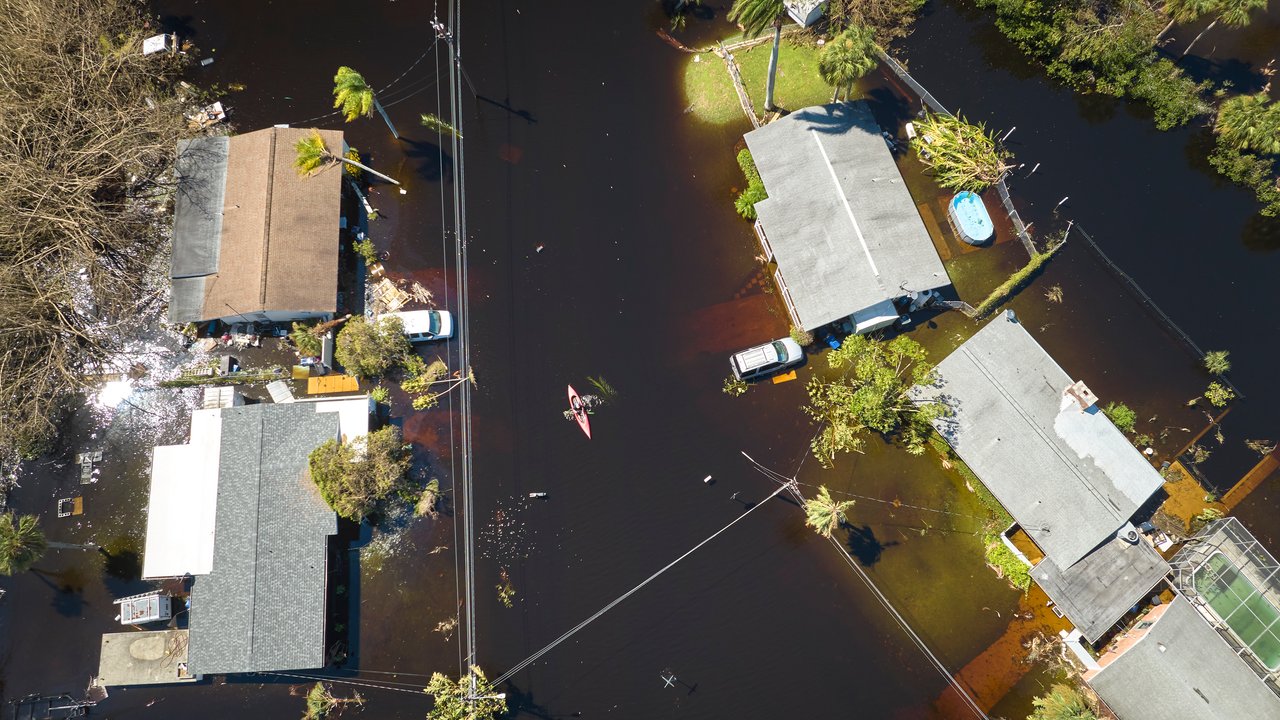
Of the non-peak perils, flood was ranked first or second for all groups except consumers, who ranked it fourth both in 2024 and 2026. Unfortunately, the low take-up rate for flood insurance still persists, showing no significant improvement over time.
Concern about wildfires has risen across all segments since 2024, with insurance professionals exhibiting the most significant uptick.
As climate effects and non-peak perils challenge traditional diversification strategies, insurers need a comprehensive approach to accumulation risk that goes far beyond standard modeling. Managing these risks has become essential to long-term resilience and sustainability.
Natural disasters across market segments
Education is the key to unlocking a better understanding of flood insurance, as many homeowners and business owners are unaware about their flood risk. Many do not realize that flooding can occur anywhere it rains, highlighting the importance of insurers and agents informing policyholders about the different flood insurance options and helping them make informed decisions.
Munich Re US’ white-label Inland Flood Coverage Endorsement offers insurers an affordable solution to help close the protection gap for homeowners in low- to moderate-risk areas.

Market dynamics and P&C cost drivers
Economic pressures continue to influence risk perceptions across the market.
The majority of respondents across audiences cited economic inflation and decline as top market dynamic concerns.
Not surprisingly, the increase in frequency and severity of natural disasters stands out as the top driver influencing P&C insurance costs, along with economic inflation.
Market dynamics
P&C cost drivers

Value to society
Insurance as a foundation for recovery and stability
The top three overall values were identified as helping communities recover quickly after a loss, providing long-term financial stability, and encouraging risk prevention and resilience.
The insurance industry increasingly promotes resilience before losses occur. RiskScan 2026 shows growing expectations that insurers contribute not only after events, but also through risk prevention, mitigation, and resilience-building — such as encouraging safer construction, improved risk awareness, and proactive loss prevention.
Greater alignment around shared responsibility for risk reduction will be critical to preserving affordability in the increasingly complex, interconnected world.
Insights + partnership = action
RiskScan 2026 reinforces a clear message for the (re)insurance industry: Today’s risk environment is no longer defined by isolated threats, but by interconnected pressures that demand a more integrated and forward-looking response.
Munich Re US consistently works to identify, analyze, and provide insights related to risk. By leveraging this expertise, clients and policyholders can navigate their unique risk profiles with confidence.
No single organization can address these challenges alone. Partnerships play a critical role. By fostering informed dialogue and proactive risk management, the insurance industry, along with other key stakeholders, continues to play a vital role in supporting economic stability, helping communities recover, and preventing losses before they occur.
With a focus on prediction, prevention, and protection, Munich Re US provides stability and predictability in a complex and ever-changing world of risk.
Empowering you to move forward with confidence in an unpredictable world.
Contacts



Related materials



Products and services provided by Munich Reinsurance America, Inc. (“Munich Re US”) and its affiliates. Any descriptions of coverage contained in this report are meant to be general in nature and do not include nor are intended to include all of the actual terms, benefits, and limitations found in an insurance policy. The insurance policy and not any content reflected in this report will form the contract between the insured and insurance company and governs in all cases. The inland flood coverage endorsement is not intended to satisfy any mandatory flood insurance requirements of the policyholder’s lending institution for their mortgages or loans. Coverage to satisfy these requirements is available through the National Flood Insurance Program (NFIP). This Inland Flood Coverage Endorsement is not affiliated with the NFIP.
*North America (P&C Re) is a description for the reinsurance business operations of affiliated companies in the Munich Re Group, including Munich Reinsurance America, Inc., that share a common directive to offer and deliver property and casualty reinsurance products and services. North America (P&C Re) reinsurance products are offered by and provided through reinsurance companies licensed in accordance with the laws and regulations of individual jurisdictions. Products and services are not available in every, and may vary by, jurisdiction.