Webinar: Supply chain resilience by design
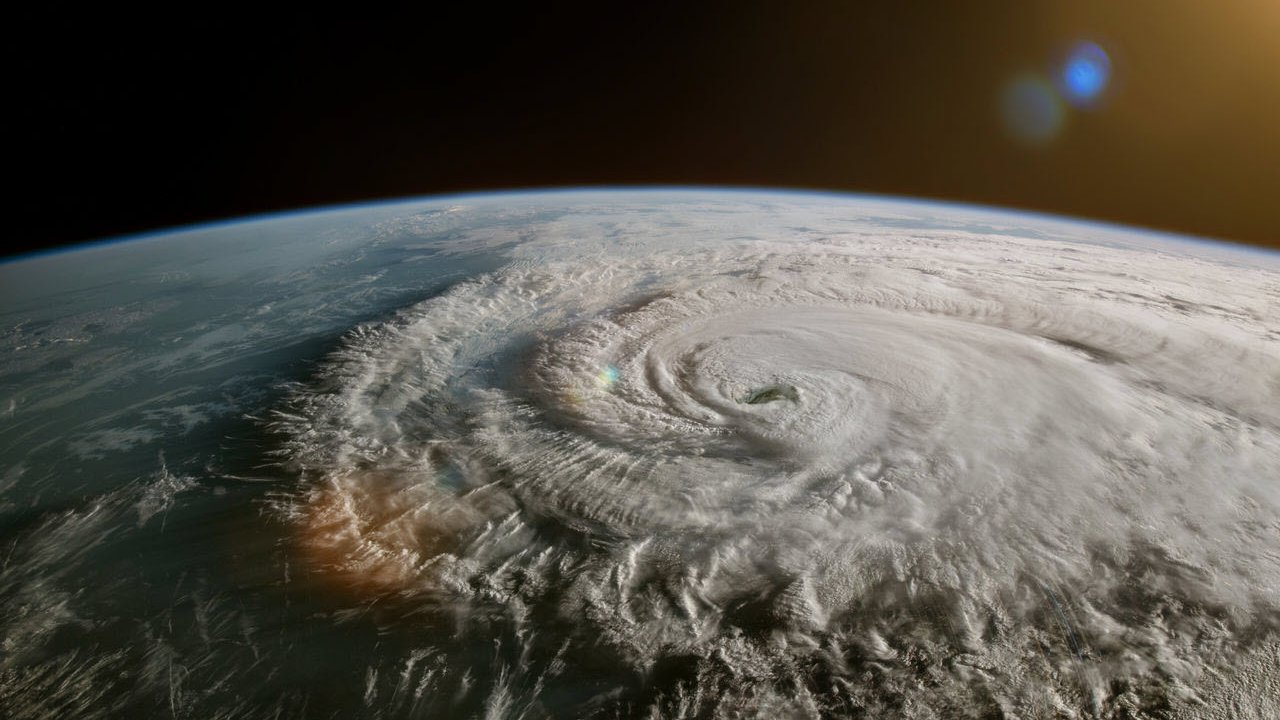
Just as manufacturers ramp up for the holiday season, Super Typhoon Ragasa blew through several of Asia’s key electronics regions in September. With winds reported exceeding 260 kph (161 mph), Ragasa ranks as the “most powerful storm on earth” so far this year.
Traveling through the Philippines, Taiwan, Hong Kong, and southern China, the tropical storm and resulting flooding triggered evacuations, infrastructure shutdowns, and logistics delays. Disruption rippled across global shipping schedules to downstream producers and retailers.
Will supply chain standstill hurt holiday shopping?
The timing of Ragasa’s impact couldn’t be worse. With China’s Golden Week holiday in October, and Western holiday seasons in December, factories and shipping were operating full throttle. Ragasa closed down container terminals in Hong Kong, Shenzhen, and Guangzhou for several days. Hong Kong International Airport shut down for 36 hours, the longest in its history, grounding airfreight.
In addition to logistics interruptions, damage and power outages stalled operations in Asian semiconductor production. Such components are critical to consumer electronics and high-tech exports for holiday shopping season. Ragasa was one of four tropical storms in the region within a month. Continued rain, winds, and flooding could contribute to production backlogs and shipping delays.
Climate risk is supply chain risk
What is a super typhoon?
Typhoons are storm systems that form in the northwest Pacific Ocean. When sustained wind speeds exceed 185 km/h (115 mph), the Hong Kong Observatory classifies the storm as a “super typhoon”. Such tropical storms typically intensify rapidly, usually accompanied by heavy rainfall.
Tropical storms are among the most destructive weather phenomena. Coastal regions and islands are hit by severe winds, as well as by secondary hazards, such as storm surges and pounding waves. Depending on the ocean basin where they develop, tropical storms are called hurricanes, typhoons, or cyclones.
Understand natural hazard risk with Location Risk Intelligence
Tropical storms such as Ragasa can cause far-reaching consequences for supply chains and logistics. Munich Re’s Location Risk Intelligence enables businesses to avoid production line stoppages and the resulting financial losses. They can:
- Visualize exposure across their supply chain footprint.
- Identify location vulnerability thanks to high-resolution maps.
- Employ hazard models for storm surge and flood risk, among others.
- Assess the impact of climate-related hazards.
For example, companies can identify the risk of a tropical storm hitting port infrastructure, warehouse locations, and transport corridors. Supply chain managers can reroute shipments in advance, or build safe stocks for vital parts. Planning is best supported by mitigation measures such as parametric NatCat insurance that offers rapid payouts when catastrophe strikes.
Use climate data to boost supply chain resilience
Super Typhoon Ragasa highlighted the vulnerability of global supply chains and logistics. Fortunately, business feedback indicates the lasting impact is not as severe as initially feared. However, as climate change progresses, tropical cyclones are predicted to become both windier and wetter.
With Location Risk Intelligence, you can turn climate insights into action to avoid losses. Prepare before hazards strike and protect your operations from increasingly extreme weather. Keep shipments moving and keep shelves stocked for holiday shoppers.