
Grow smarter in a changing climate
Use location-based insights to improve yields and land value.
Agriculture and crop production depend directly on climate and weather conditions. In agriculture, extreme weather events affect crops, livestock, land, and infrastructure. Precise, location-based insights on natural hazard and climate risk from Location Risk Intelligence help to protect farm viability.
Can agriculture remain productive in a changing climate? Perhaps more than any other industry, agriculture is highly exposed to climate risks. Heat, droughts, floods, hail, and extreme rainfall affect crop yields, water availability, and long‑term productivity.
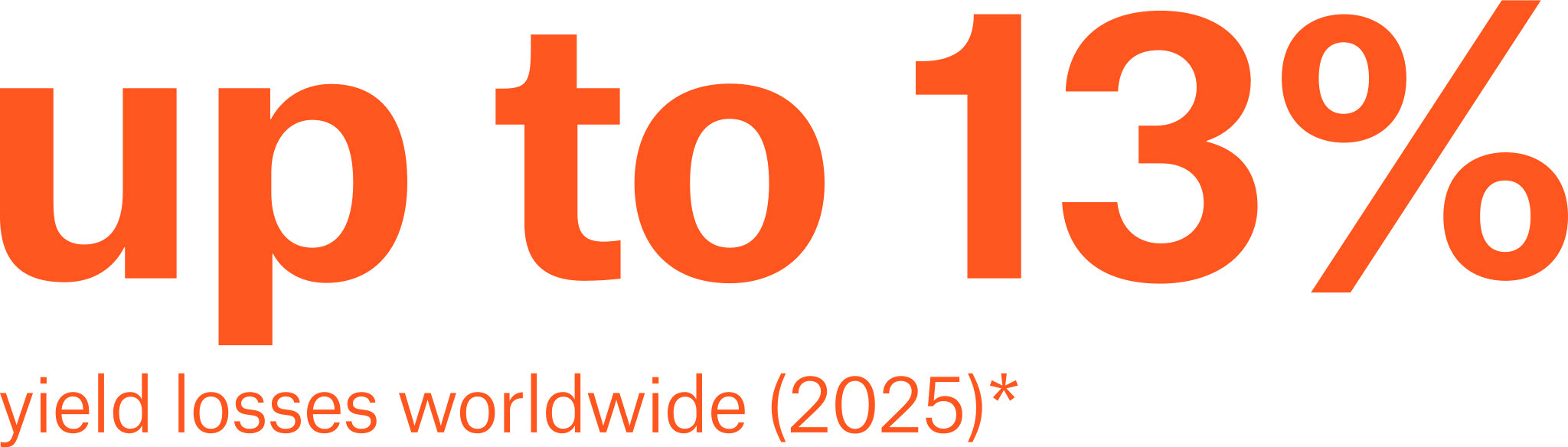
Rising heat and atmospheric dryness have already reduced global yields of major crops such as wheat, maize and barley by 4–13%.*
A 2025 Stanford University study finds that increasing heat stress and drought conditions have significantly lowered yields of key crops such as wheat, maize, and barley over recent decades.
*Rising heat and dry air cut global crop yields; Standford Report 2025
For agricultural businesses and agribusinesses, this translates into higher yield volatility and rising costs, putting growing pressure on land value and long‑term investments. Effective farm management increasingly depends on understanding how exposed agricultural assets are to extreme weather events.
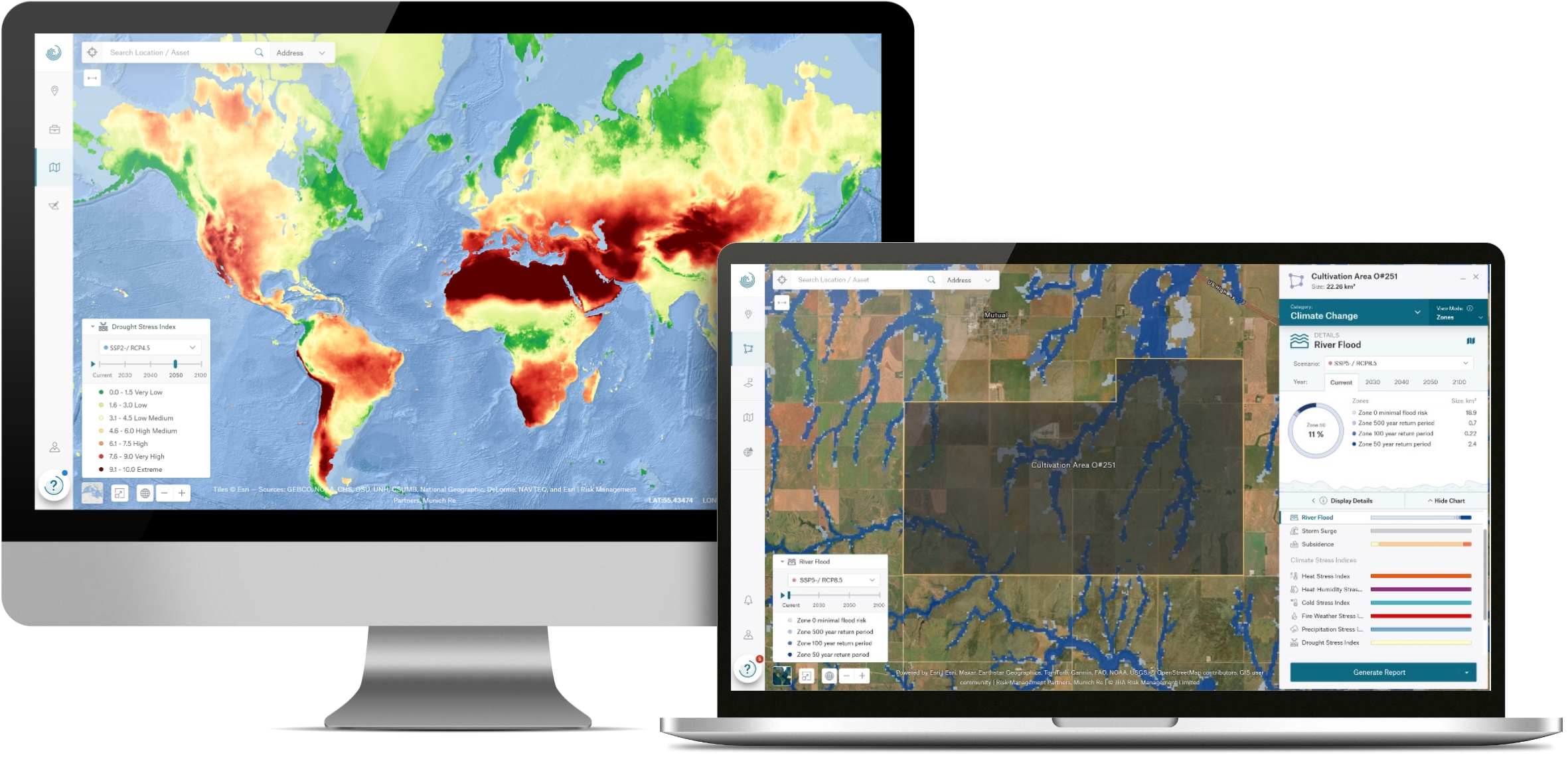
Munich Re’s Location Risk Intelligence enables agricultural businesses to understand, measure, and manage climate risks at the field, farm, and regional level. This supports more resilient production, land‑use planning, and investment decisions.
Turn the top four weather-related risks into resilient agricultural strategies
Location Risk Intelligence helps agricultural businesses measure and manage risks arising from natural hazards and climate change. Informed decisions and climate‑smart planning reduce yield losses, protects assets, and strengthens long‑term resilience.
1. Use climate data to guide crop and land use decisions
Rising temperatures, changing rainfall patterns, and water stress directly affect crop suitability. Poor decisions can reduce yields and degrade land.
With Location Risk Intelligence, you can assess physical risks at field and regional level. Use climate scenarios to support crop selection, irrigation planning, and long‑term land‑use strategies.
2. Assess climate risks to protect agricultural infrastructure
Floods, storms, heatwaves, and wildfires can damage irrigation systems, storage facilities, processing sites, and transport routes, leading to downtime and financial losses.
Location Risk Intelligence visualises site‑specific risks worldwide and supports proactive adaptation. For example, flood protection, heat‑aware infrastructure planning, or even informed decisions to switch to more climate-resilient crops based on local risk profiles.
3. Anticipate disruptions across agricultural supply
Agricultural supply chains depend on stable harvests. Climate-related disruptions can reduce availability, increase price volatility, and affect distribution.
With Location Risk Intelligence, agricultural organisations can:
- Identify climate‑vulnerable production regions.
- Assess concentration risks across sourcing areas.
- Support disclosures under CSRD, EU Taxonomy, and other frameworks.
4. Safeguard long term productivity and land value
Chronic climate change-induced perils, including rising temperatures and increasing dryness, can reduce long‑term land suitability and asset value.
Use Location Risk Intelligence to evaluate long‑term climate suitability, plan adaptation measures, and reduce the risk of stranded agricultural assets. Climate Change Expert Module provides granular data such as days above 35 degrees, periods of rain or drought, so you can prepare accordingly to mitigate the effects.
Your benefits with Location Risk Intelligence in agriculture
Reduce climate related yield losses
Identify exposure at farms and production regions to support targeted adaptation strategies and ensure future viability.
Make better decisions
Access precise, location based climate data in the formats you need. You understand weather and climate conditions faster, so you can improve efficiency and save resources.
Protect land, assets & operations
Plan agricultural investments using IPCC aligned climate scenarios up to 2100 to anticipate and adapt to future conditions. Protect long-term yields and build resilience.
Manage water‑related risks
Understand drought, water scarcity, and flood risks affecting irrigation dependent agriculture to secure stable and successful harvests for reliable revenue.
Build future agricultural resilience
Assess long-term climate risks to increase harvest yields and reduce the risk of crop failures, so your business can continue for generations.
Simplify your reporting
Generate accurate disclosures on natural hazard and climate risk that are aligned with regulatory frameworks. Avoid legal and reputational risks.
Contact us to learn how your agricultural business can remain productive and resilient in a changing climate.
How Location Risk Intelligence and its editions support agriculture
Natural Hazards Edition
Climate Change Edition
Reporting Edition
Reduce your risks. With Location Risk Intelligence’s data‑driven insights, you protect agricultural productivity and land value, while boosting long‑term resilience.
Frequently Asked Questions
Which climate risks are most relevant for the agriculture sector?
How does Location Risk Intelligence support farm‑level and regional risk assessments?
How can Location Risk Intelligence support production and planning decisions?
Who typically uses Location Risk Intelligence in agricultural organisations?
How does Location Risk Intelligence support long‑term resilience in agriculture?
Can Location Risk Intelligence support long-term land valuation and investment decisions?
How does Location Risk Intelligence support water management and irrigation planning?
Can Location Risk Intelligence support agricultural supply and sourcing strategies?
How does Location Risk Intelligence support climate-related reporting and disclosures in agriculture?
Location based climate and natural hazard risk data supports transparency around climate exposure and can be integrated into sustainability reporting, including CSRD, ISSB, and other climate-related disclosure frameworks.