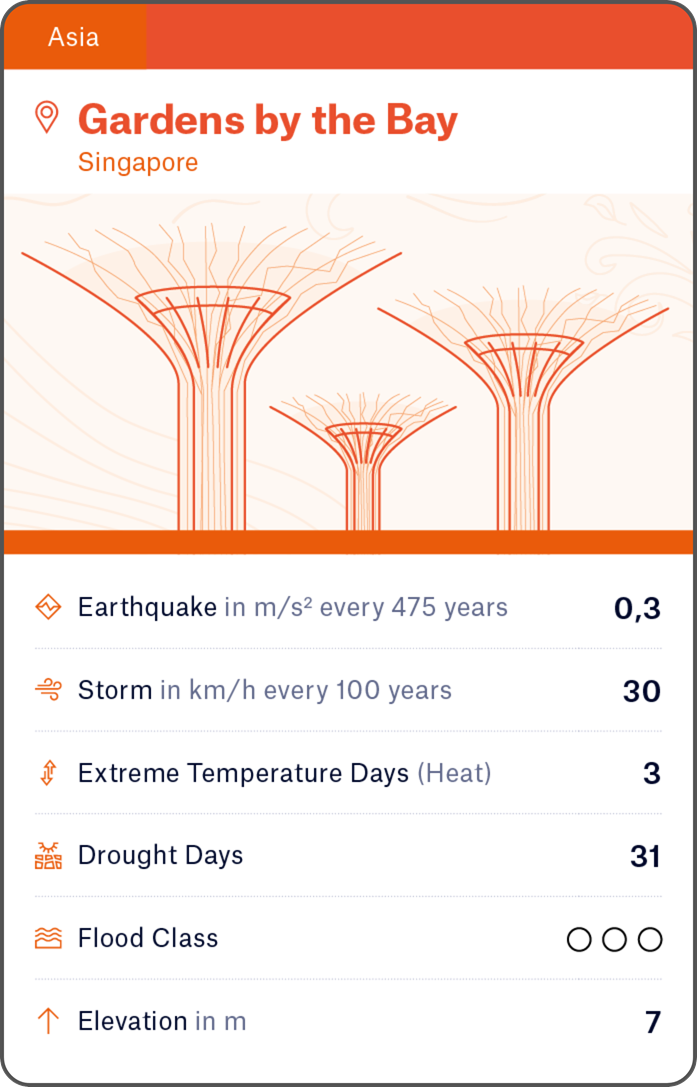
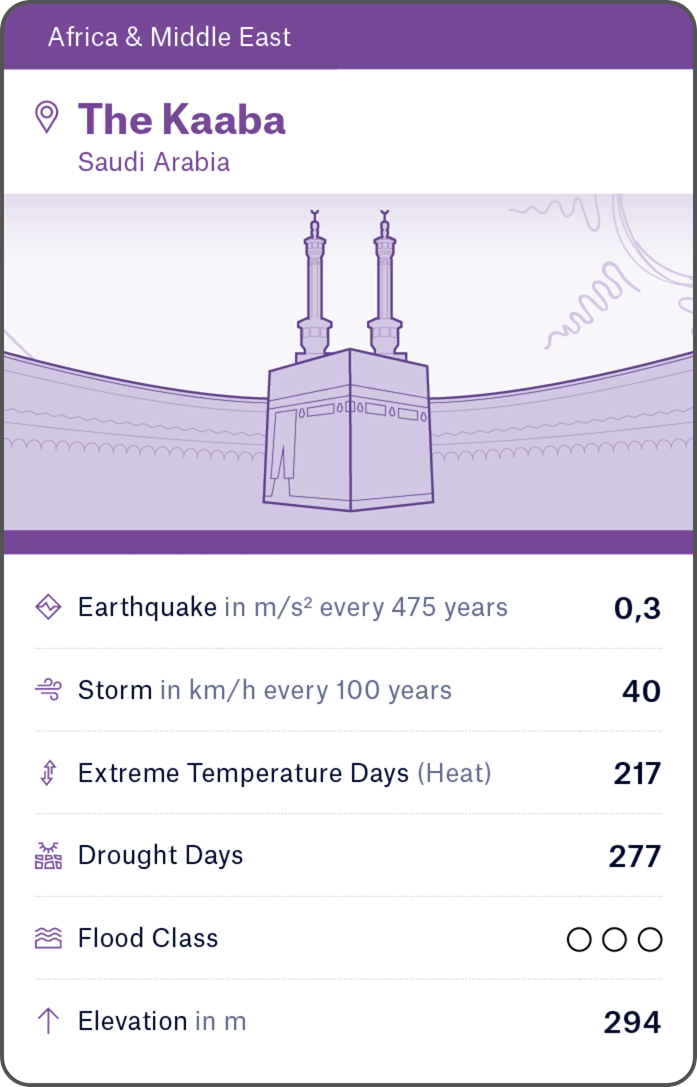
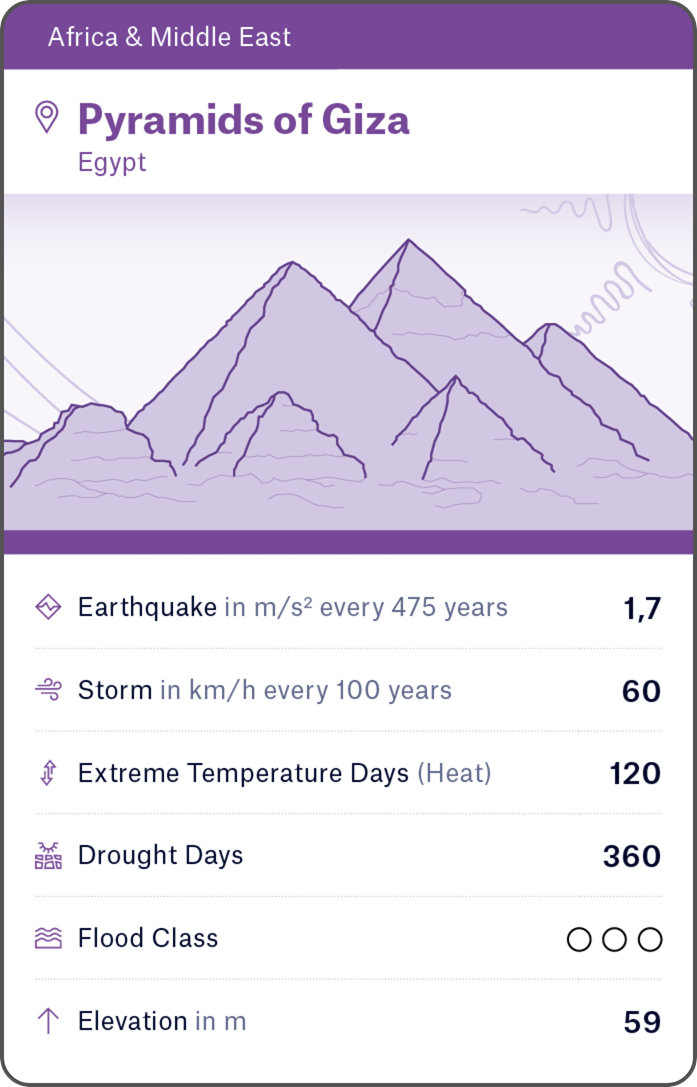
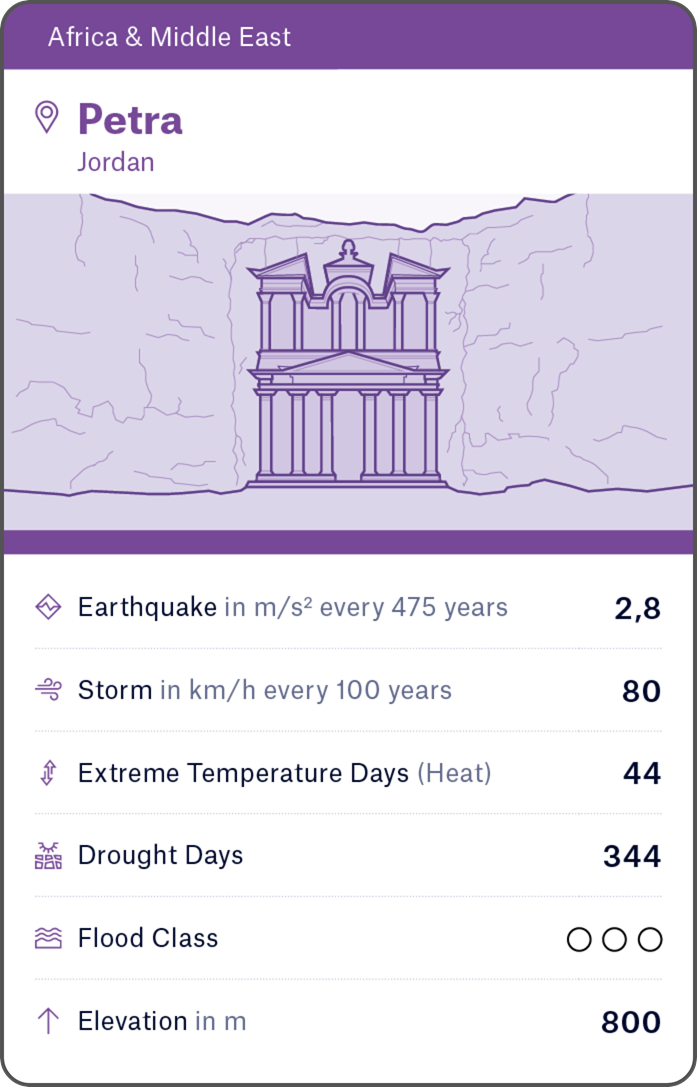
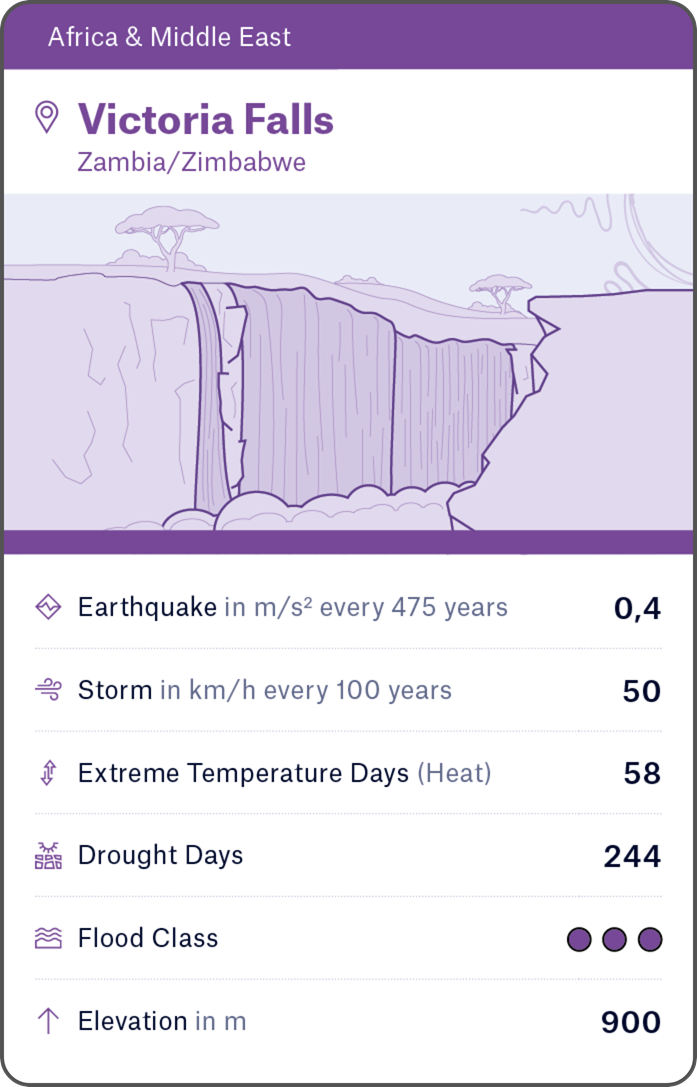
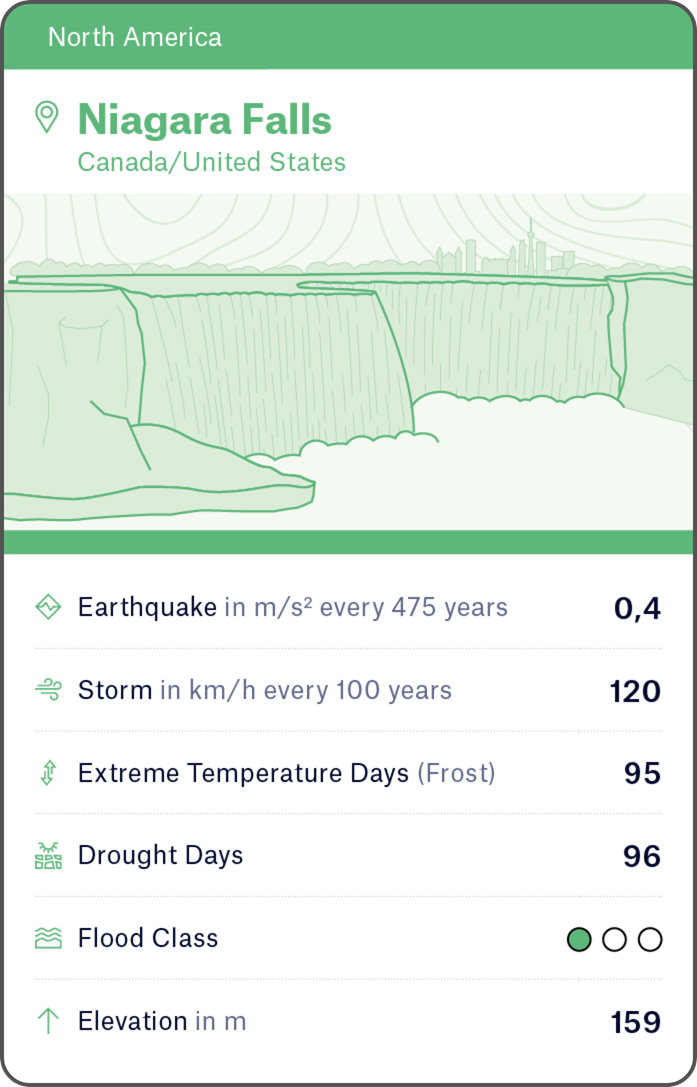
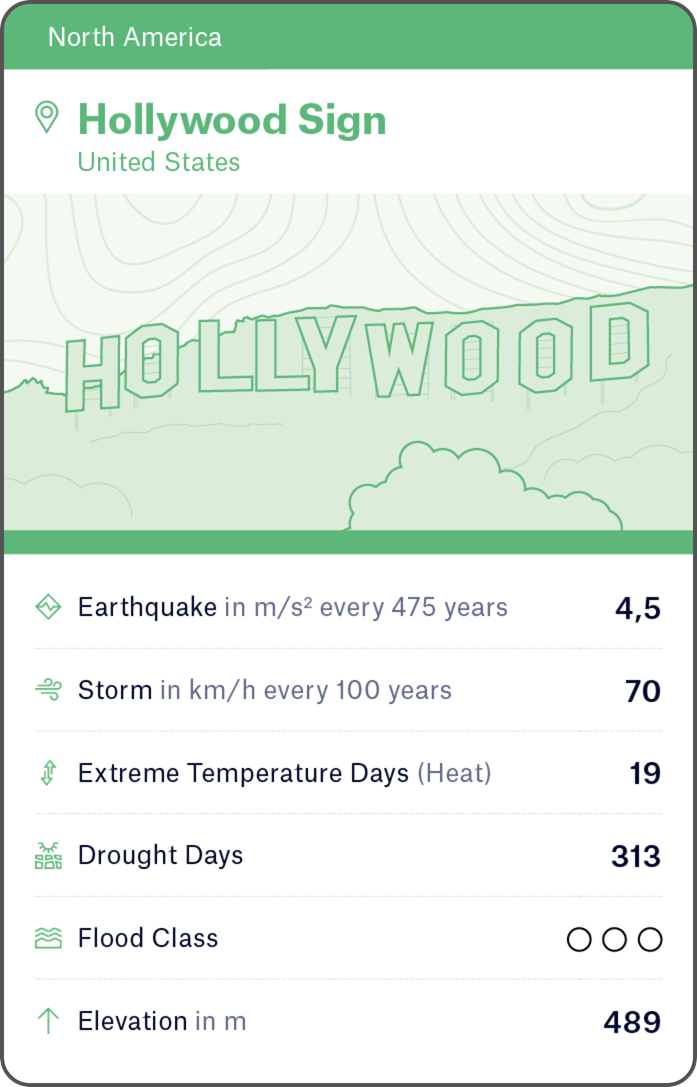
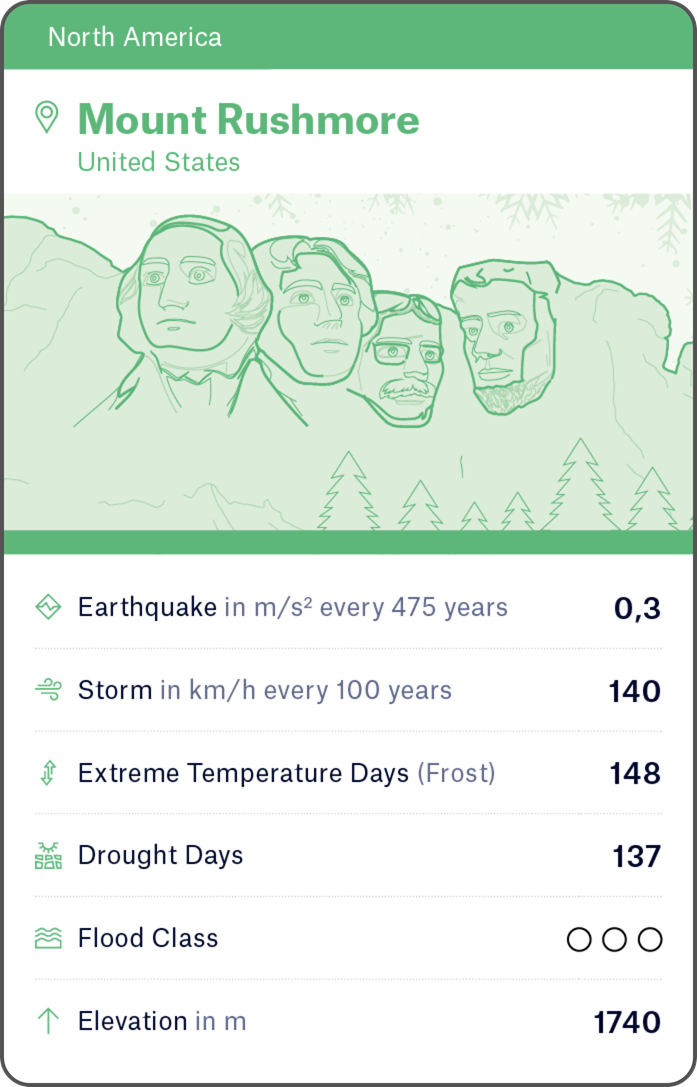
See our solution in action!

Summary
- The Location Risk Intelligence card game translates global hazard and climate model data into a playable experience that mirrors real-world risk decisions.
- Cross-functional teams at Risk Management Partners tested perils, locations and score designs until the game balanced scientific rigour, recognisability and playability.
- The final deck acts as both educational tool and conversation starter, connecting iconic locations, Spare and Dare risk modes and a QR-code bridge into the full Location Risk Intelligence platform.
The idea behind the game
It all started with a simple question: how do you make global climate risk data feel as tangible as a card in your hand? Not in a 120-page methodology document, not in a dense slide deck, but in a game that people actually want to play at a conference table or in a client workshop.
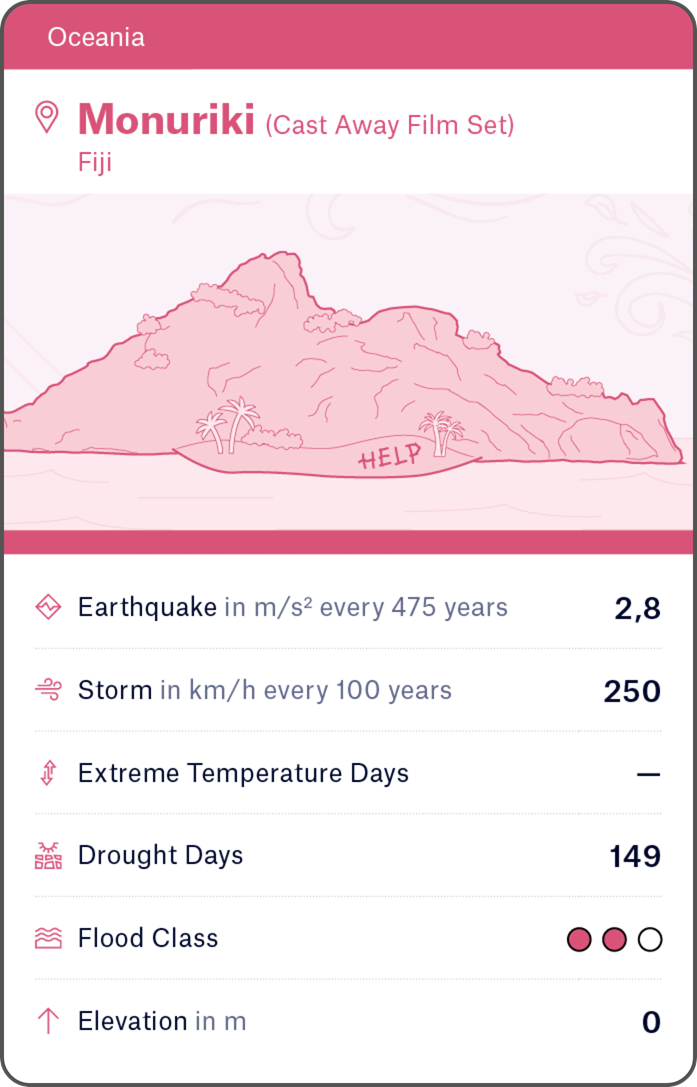
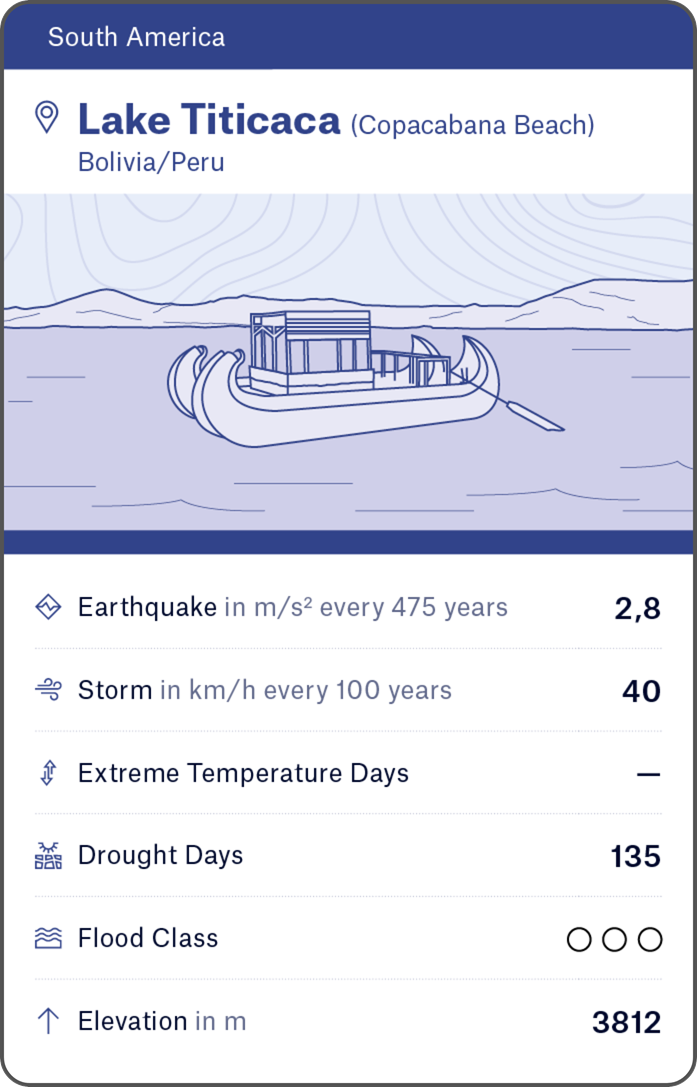
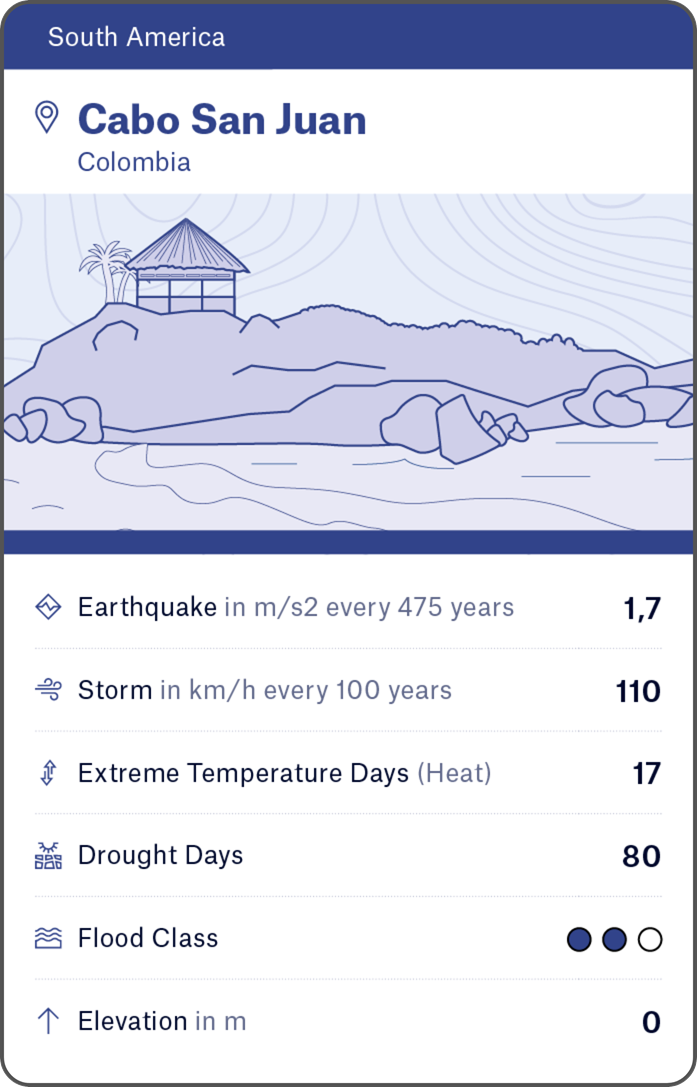
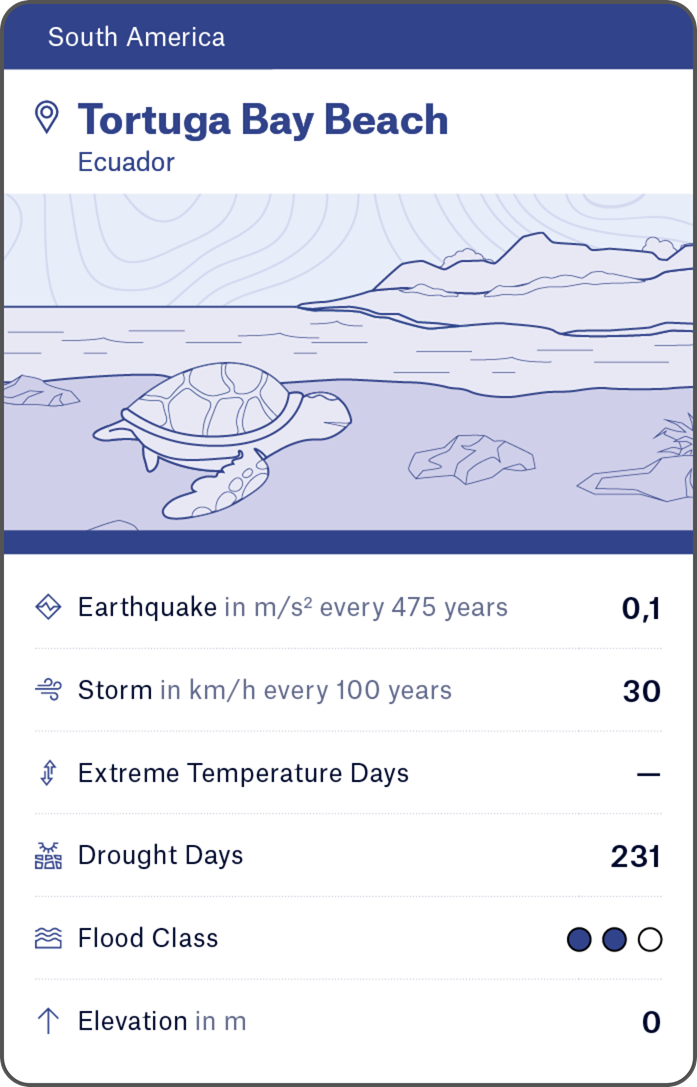
The Location Risk Intelligence card game is Risk Management Partners’ answer to that question. It turns hazard scores and climate projections into a physical experience that you can shuffle, compare and argue about. Behind it sits the same global risk intelligence that powers the Location Risk Intelligence SaaS platform. The difference is that in the game, it is compressed into thirty-two iconic locations and six carefully selected perils.
This is the story of how that happened.
8
global location categories
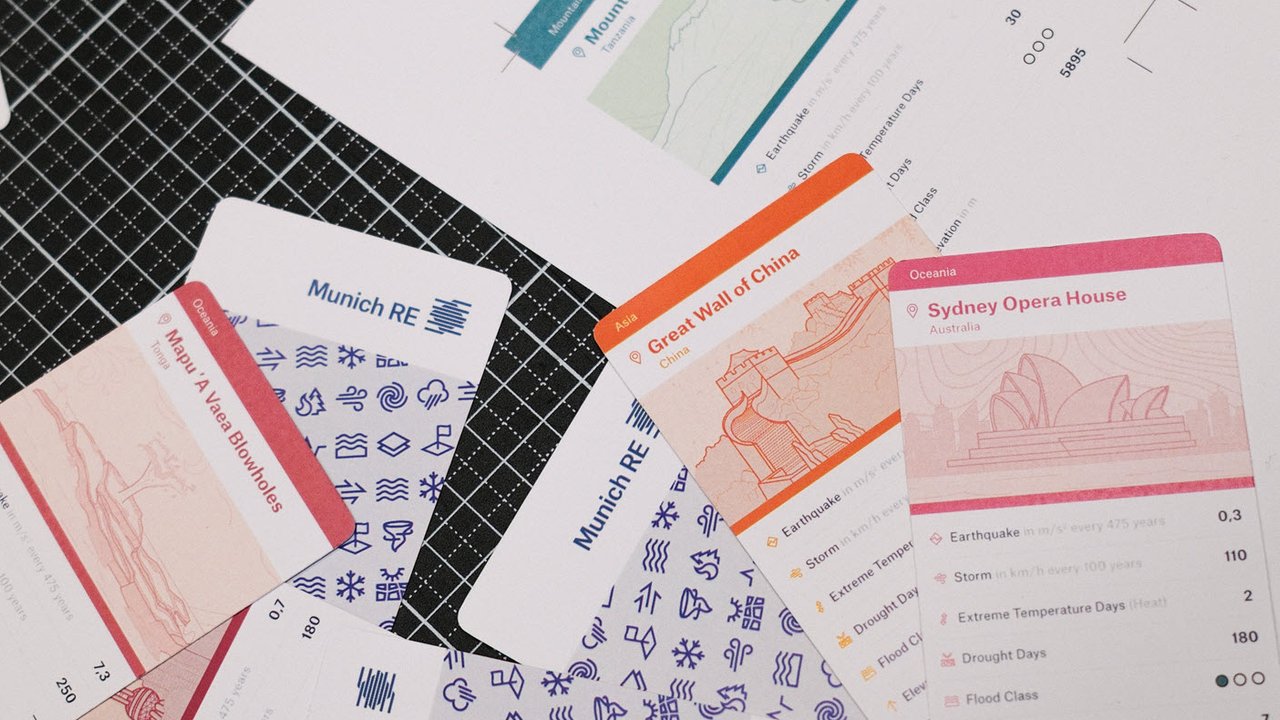
Turning climate models into game mechanics
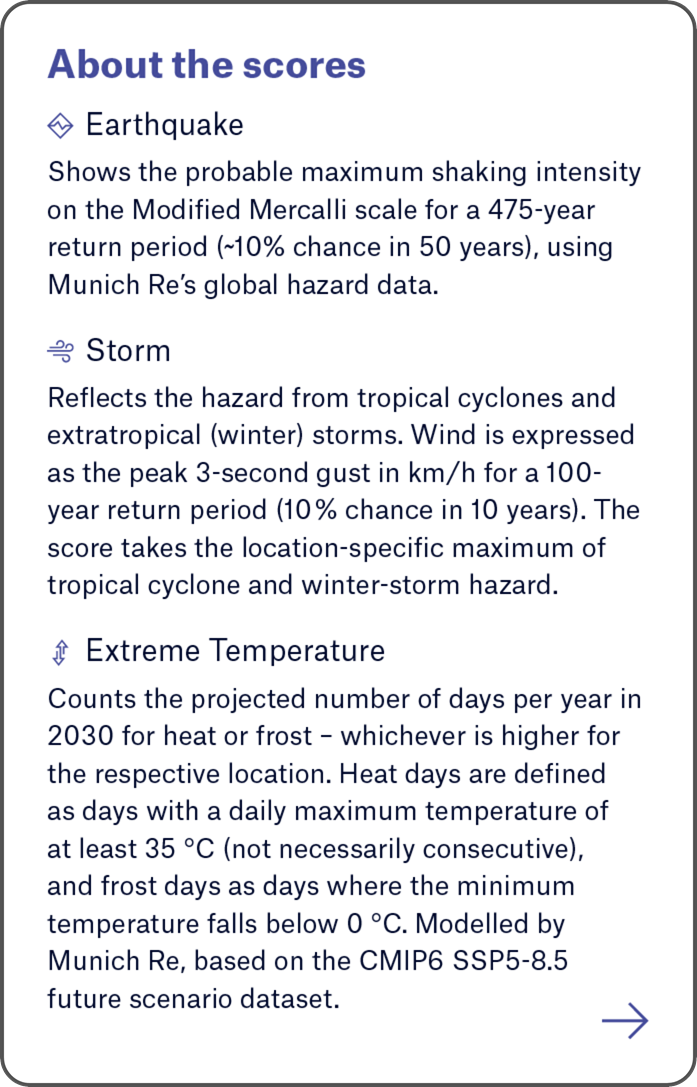
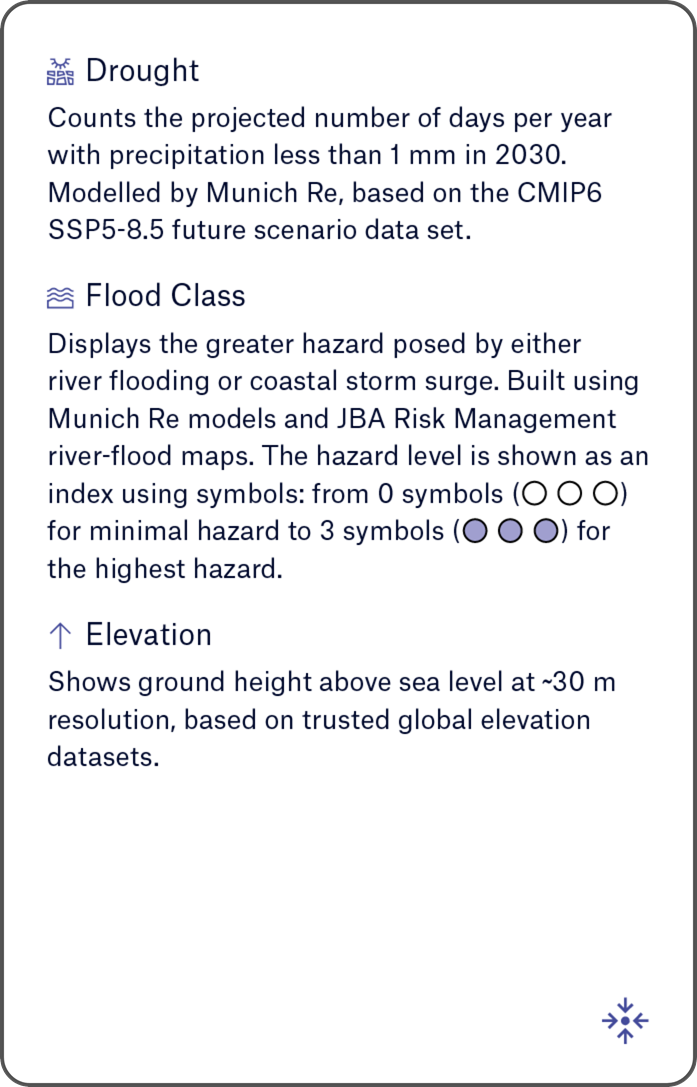
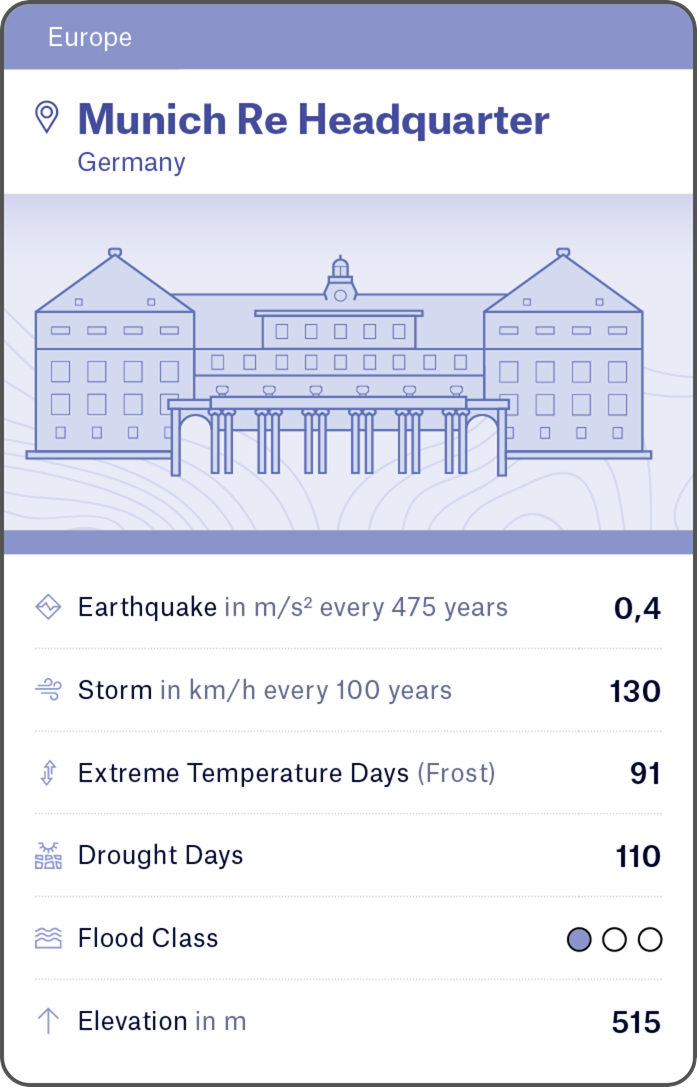
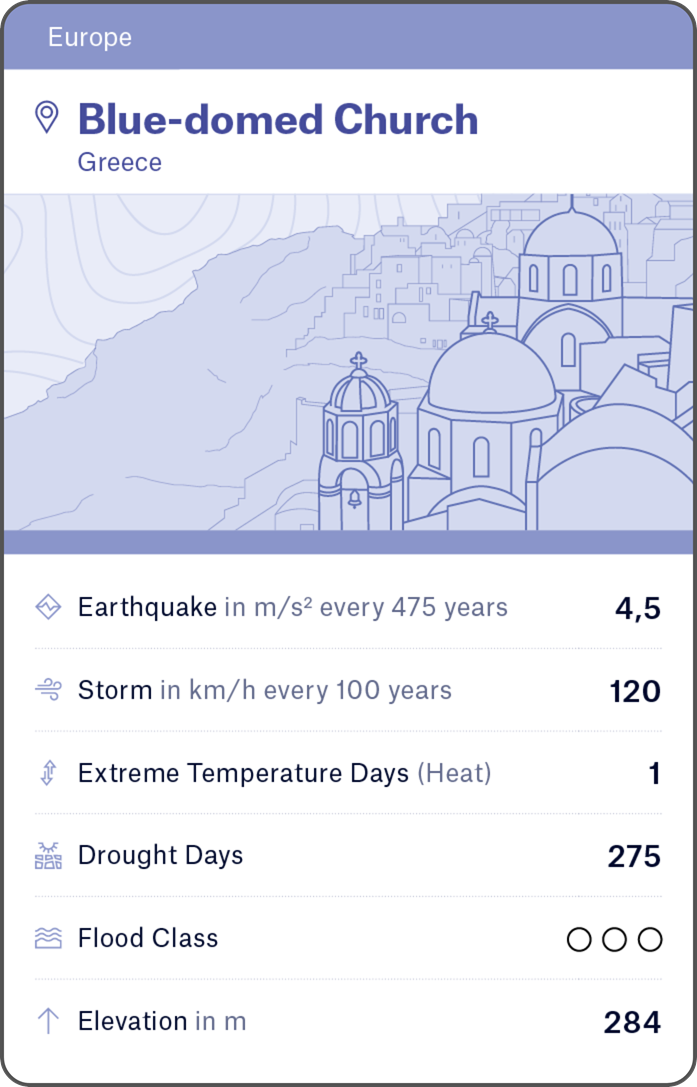
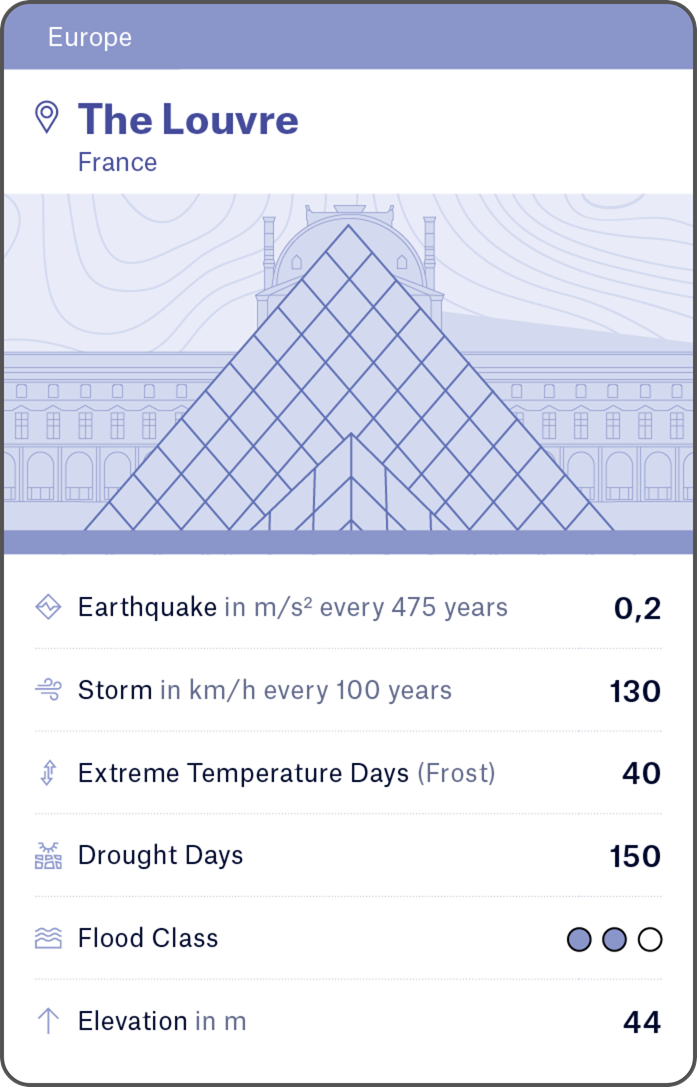
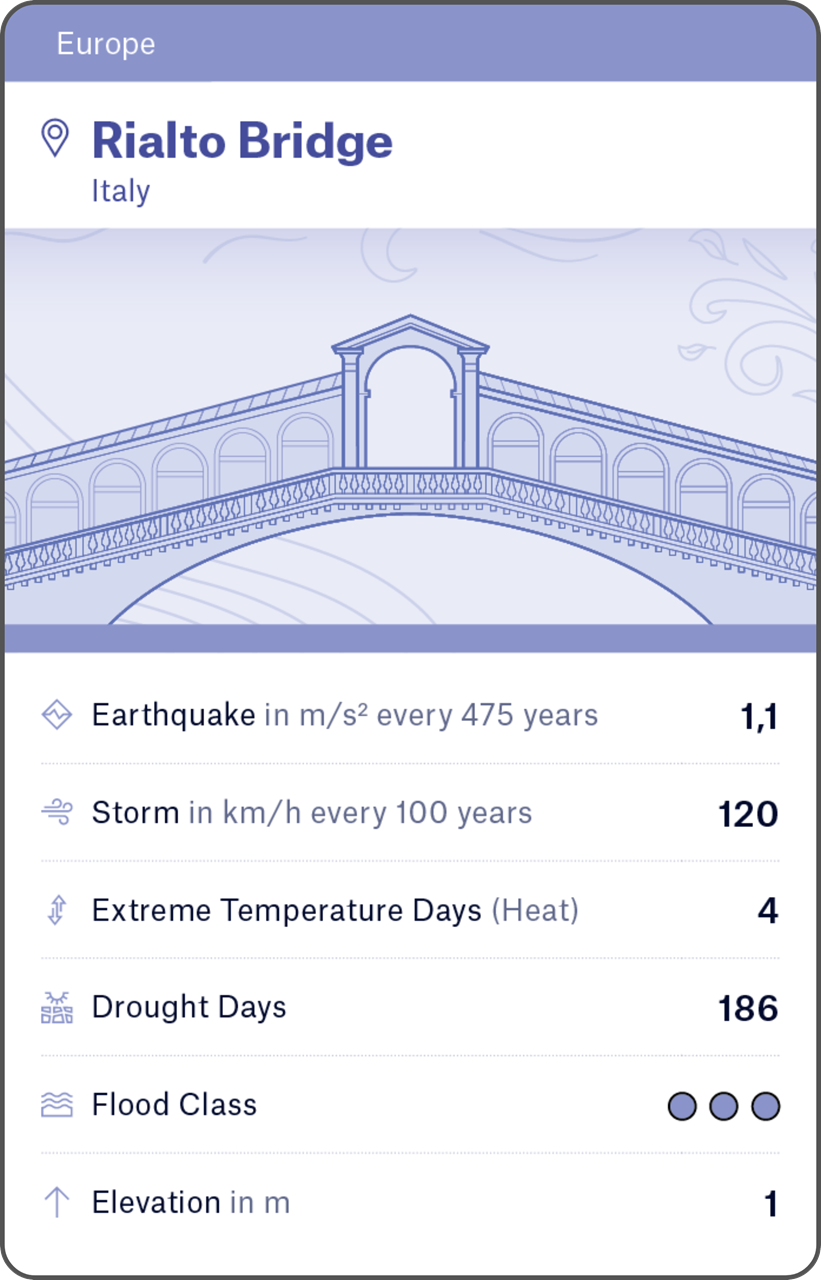
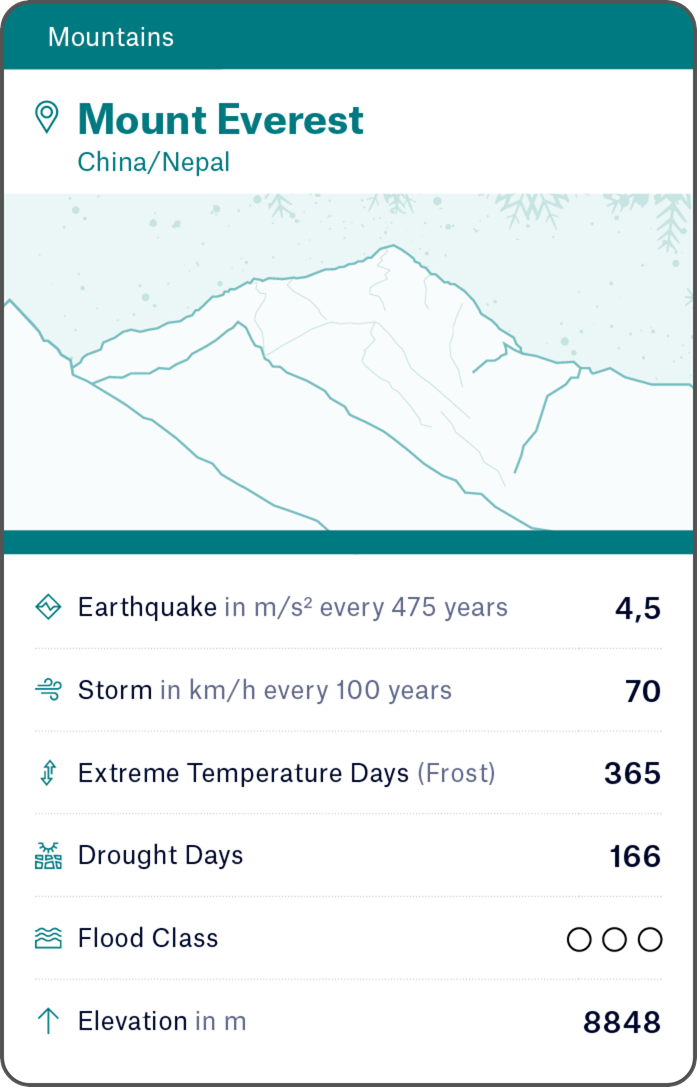
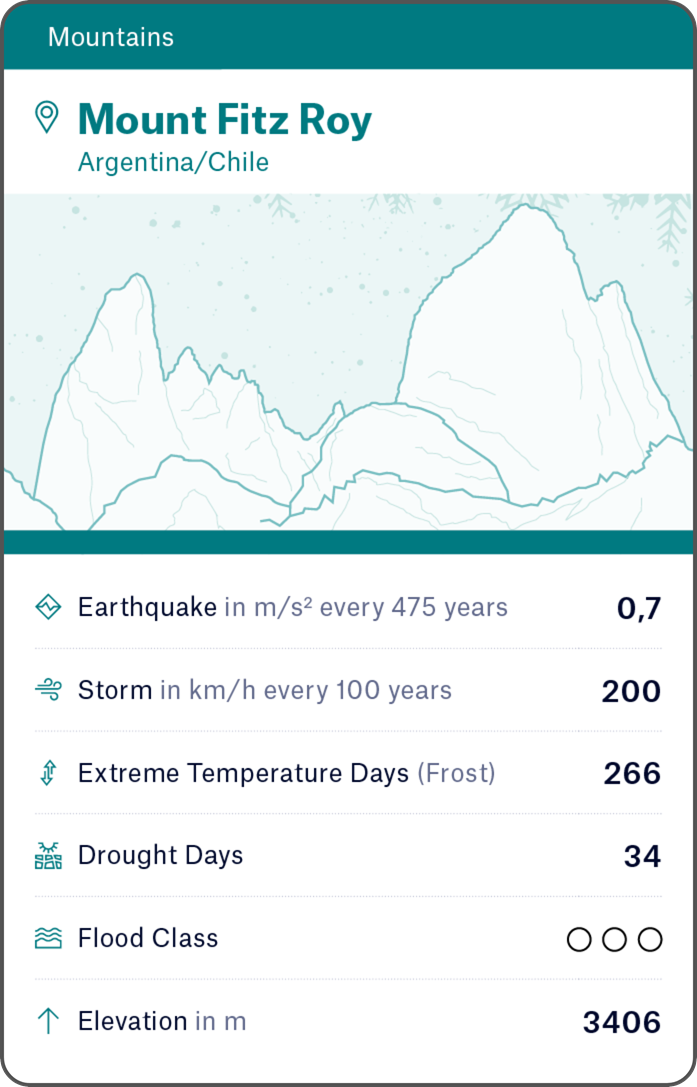
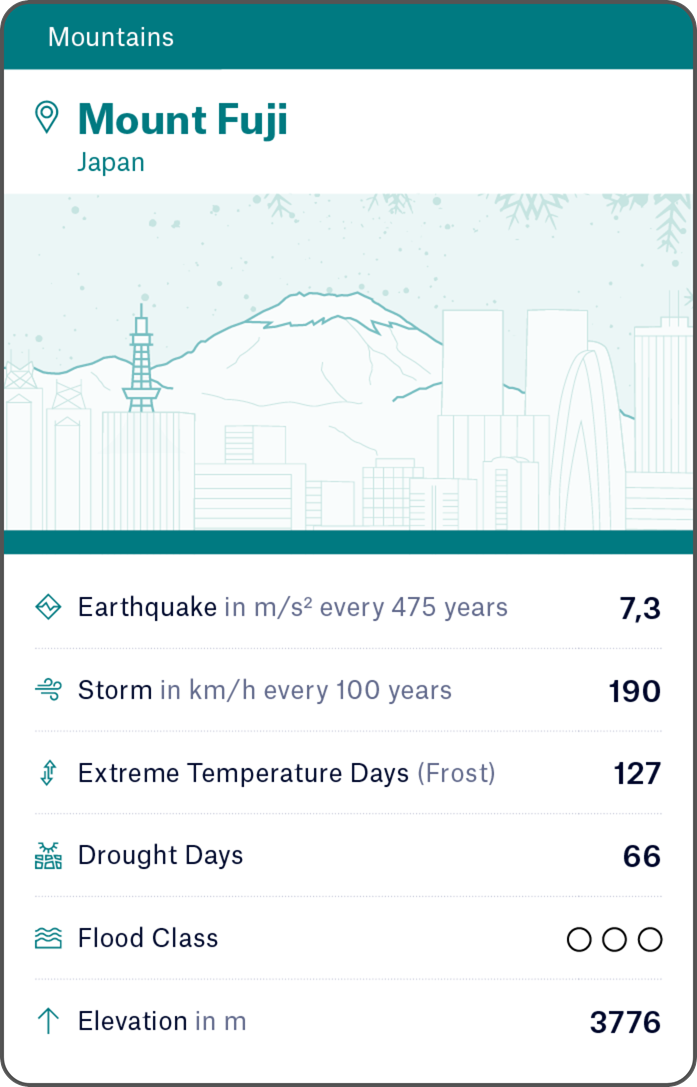
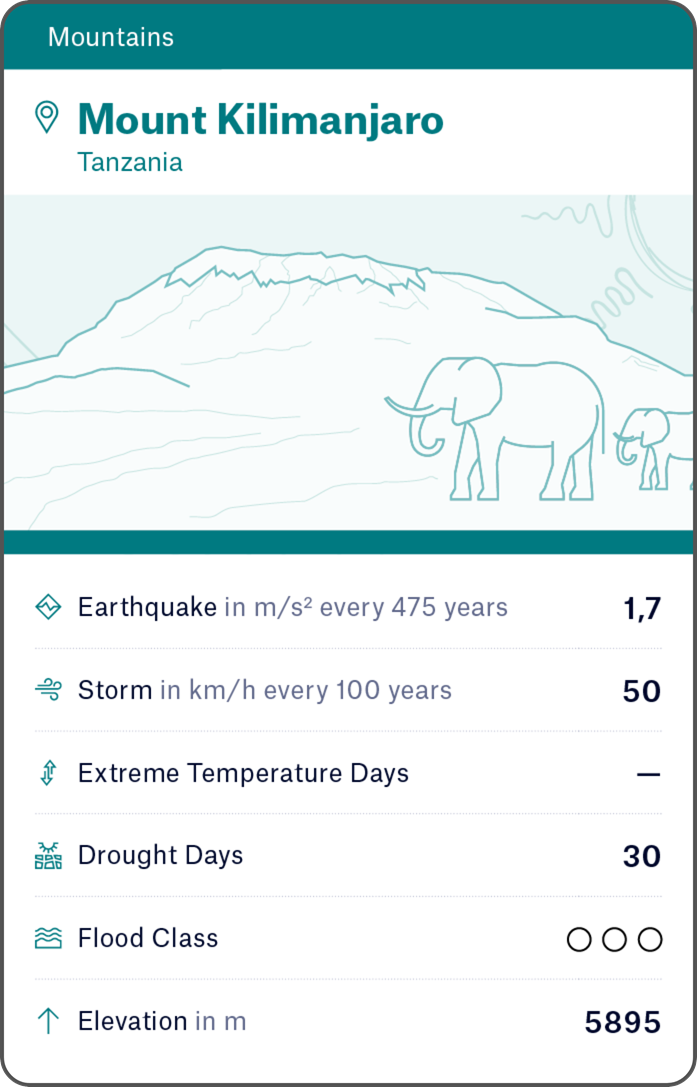
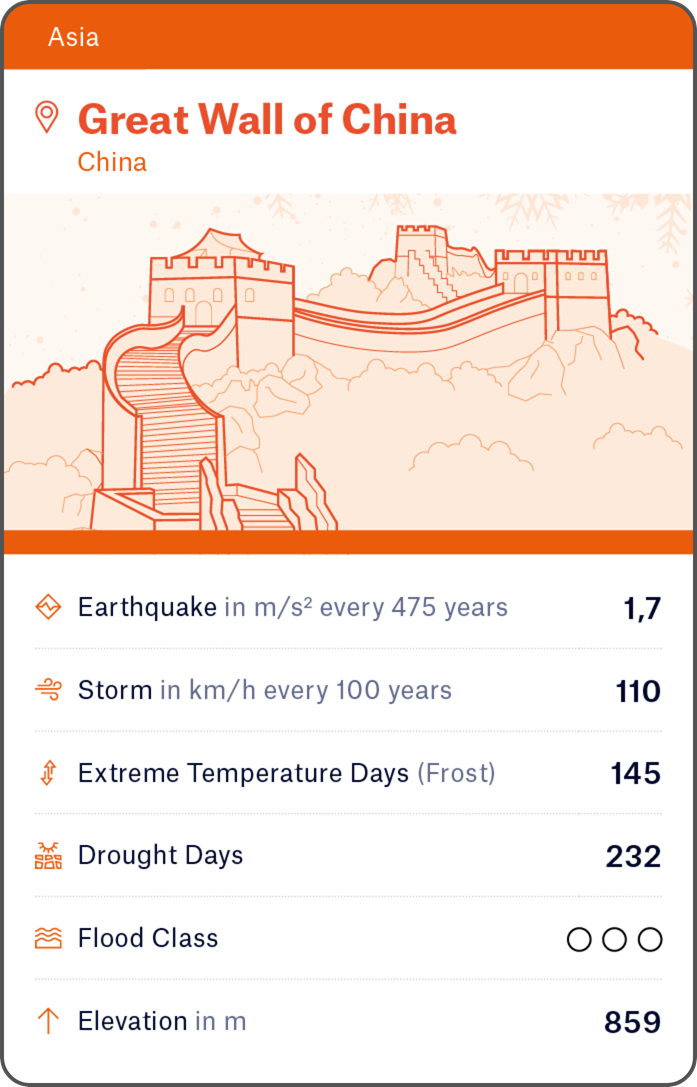
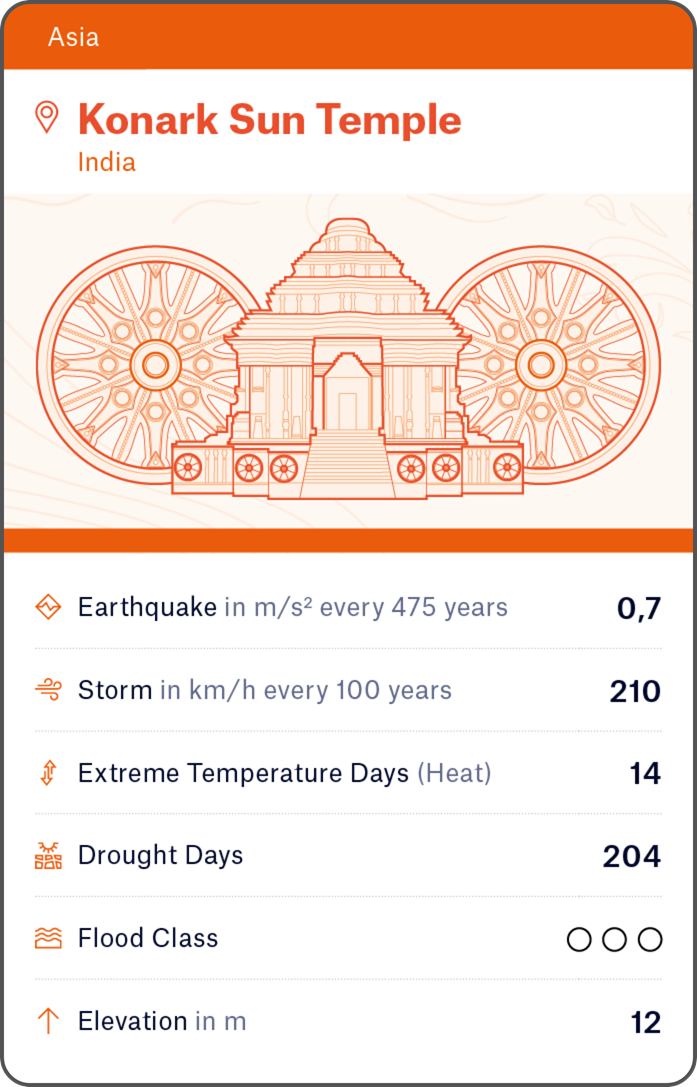
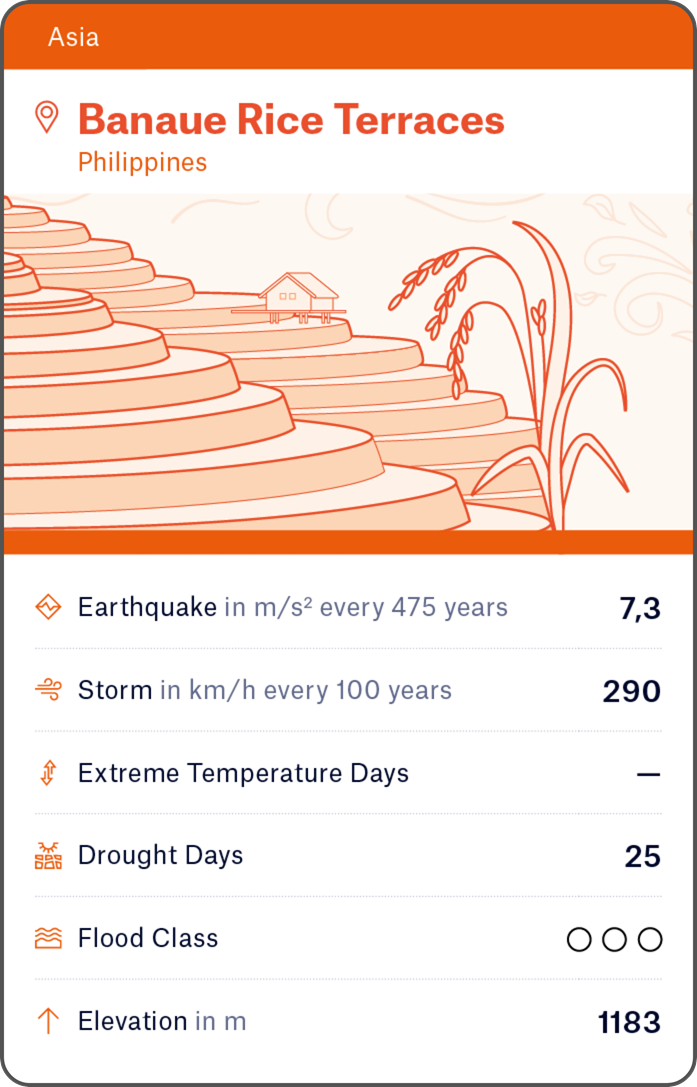
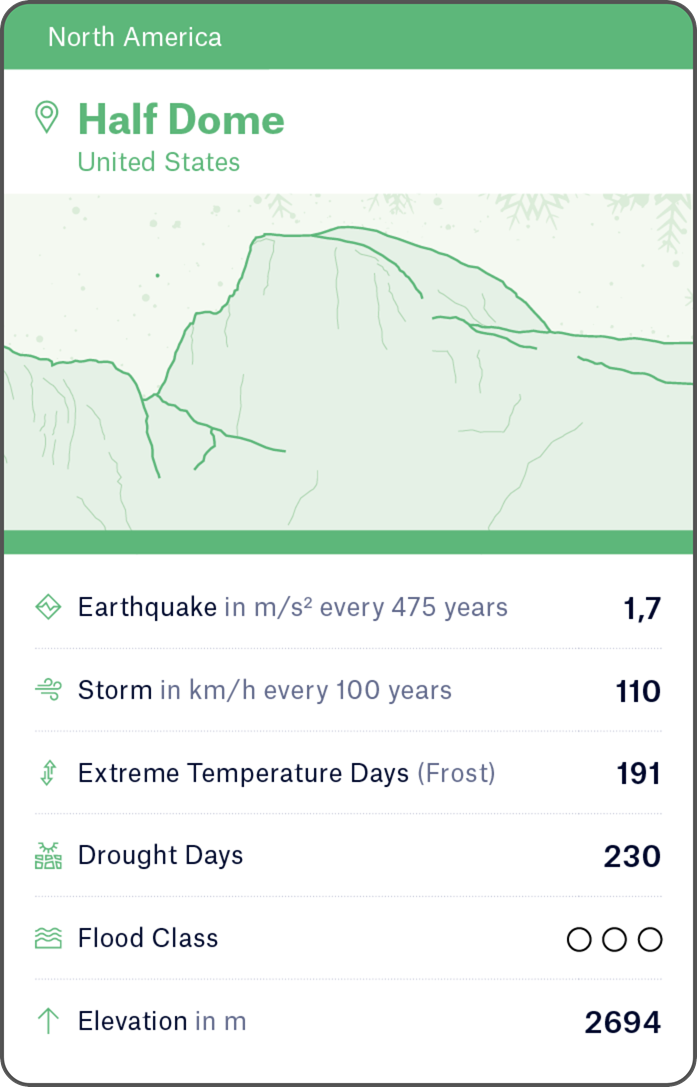
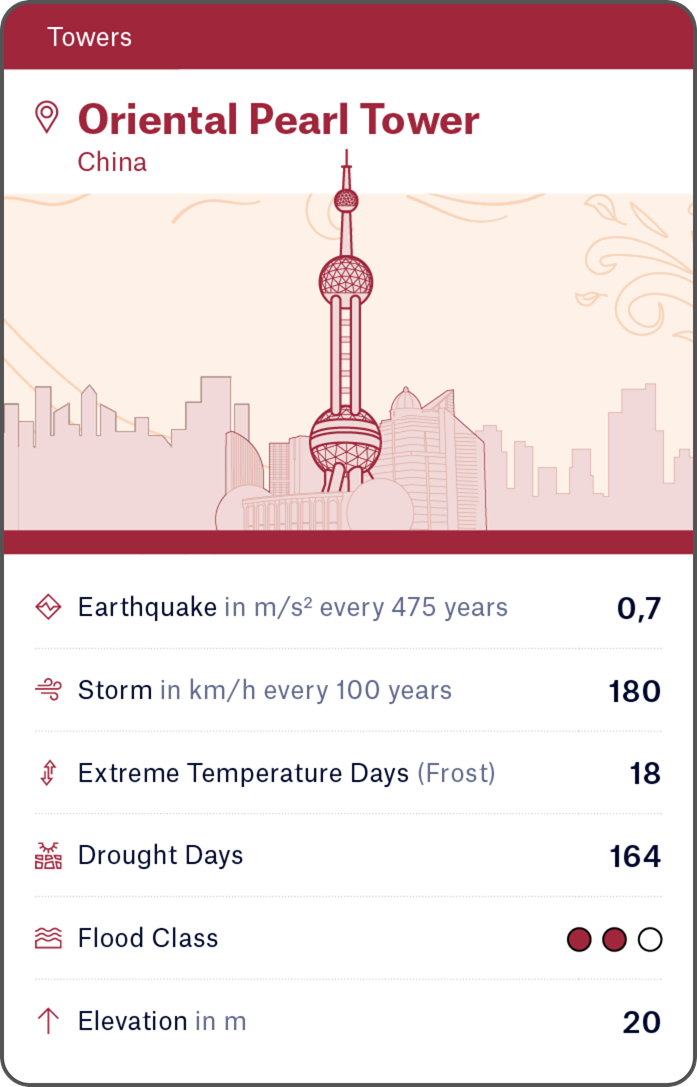
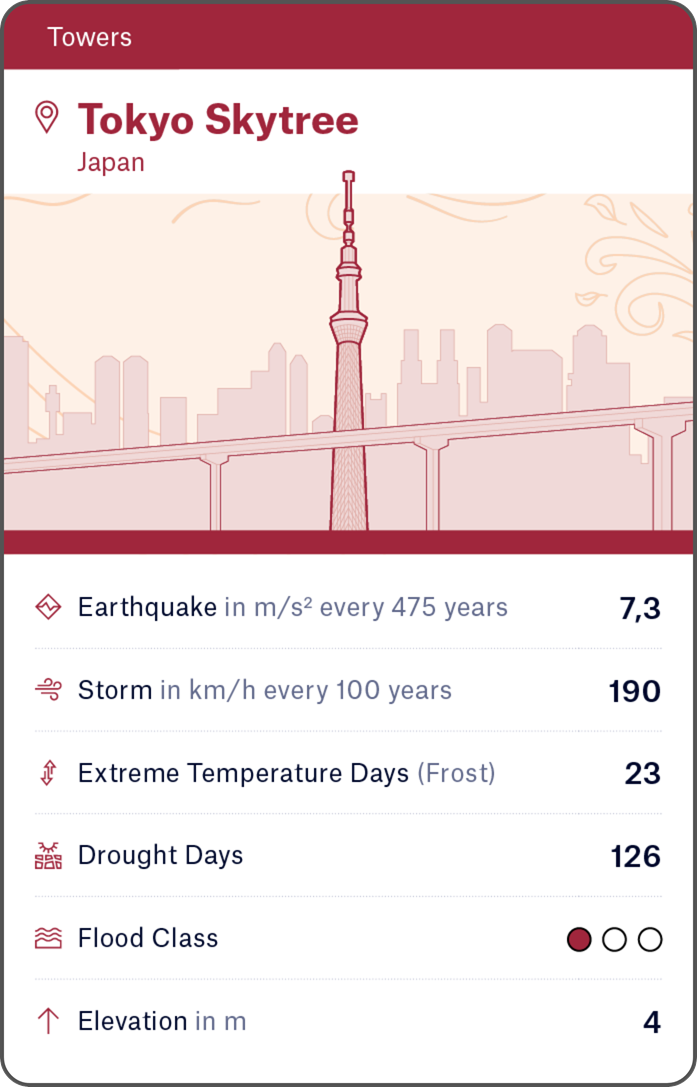
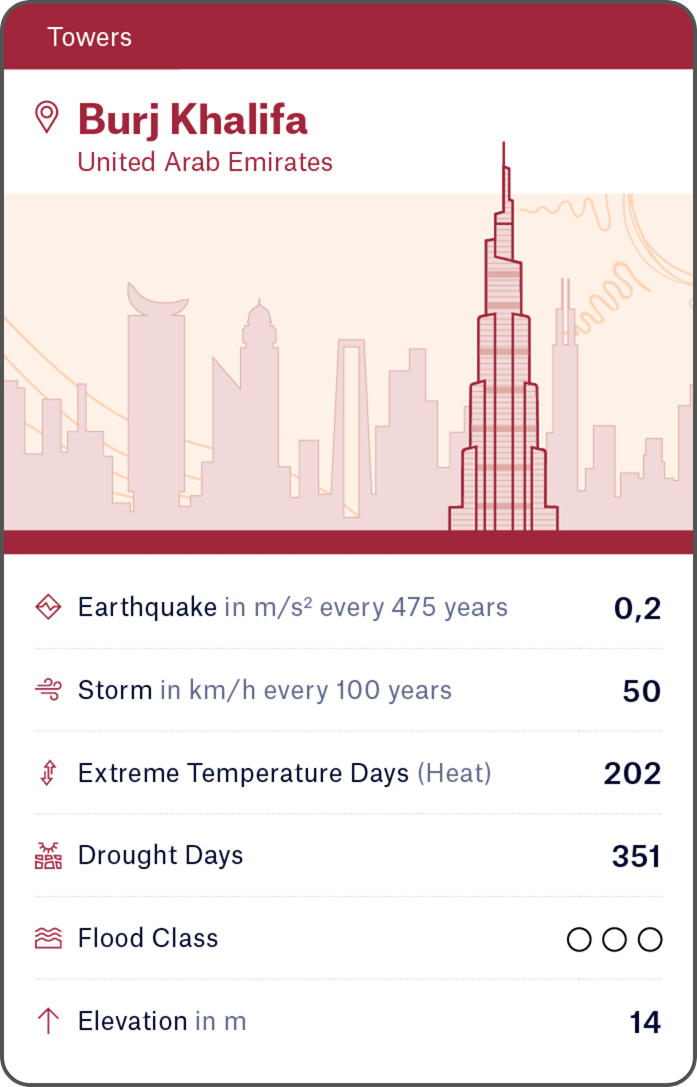
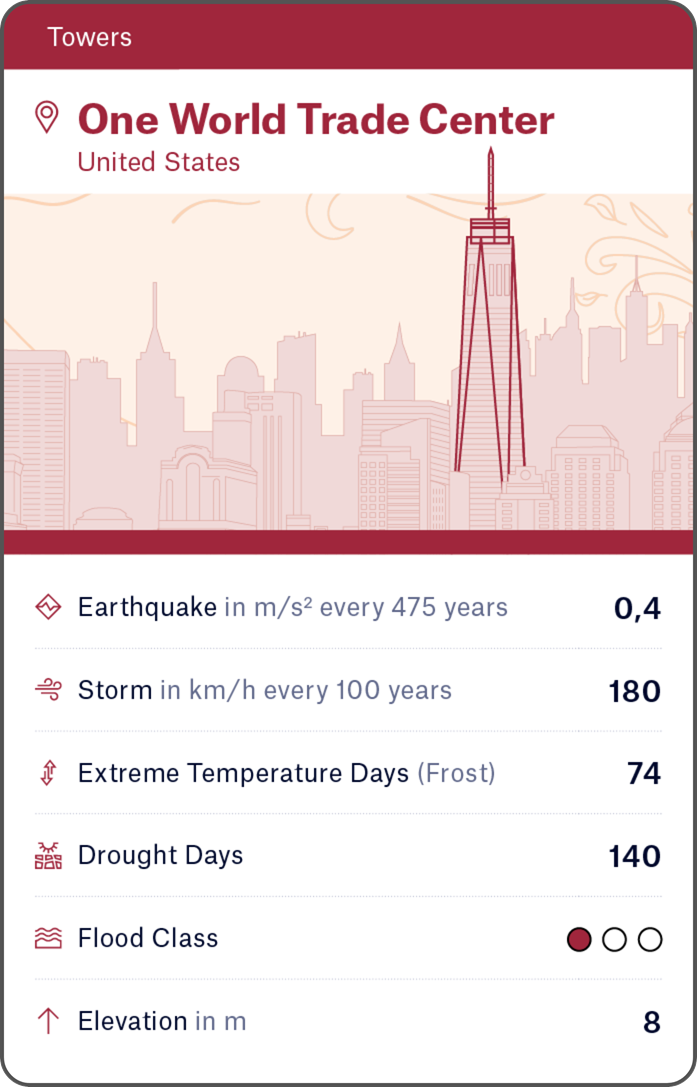
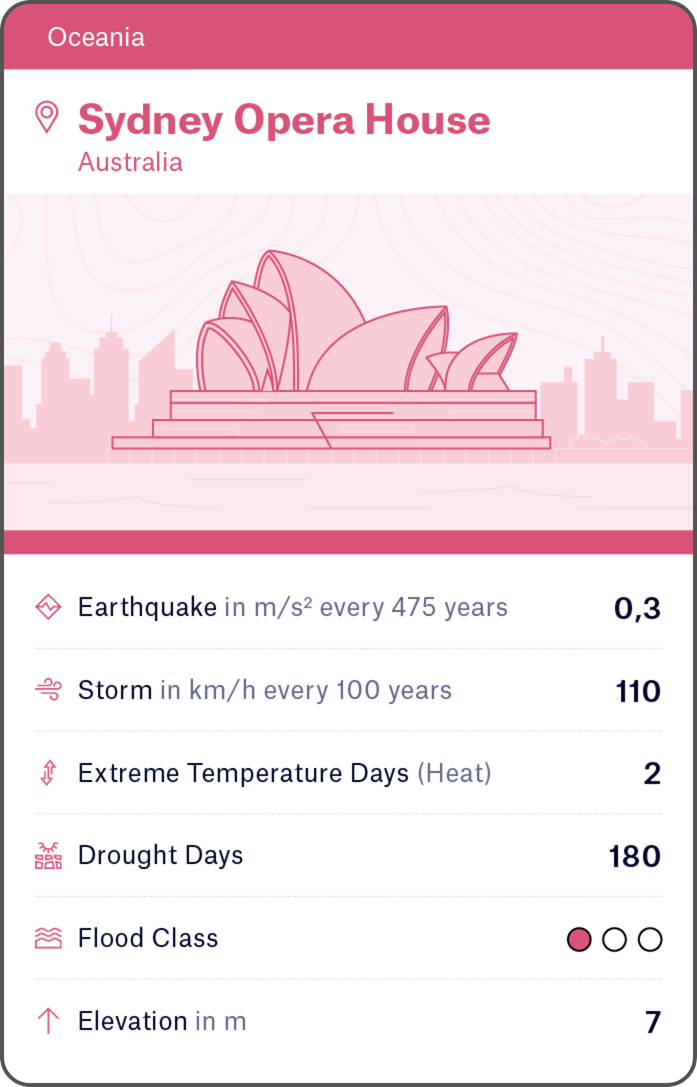
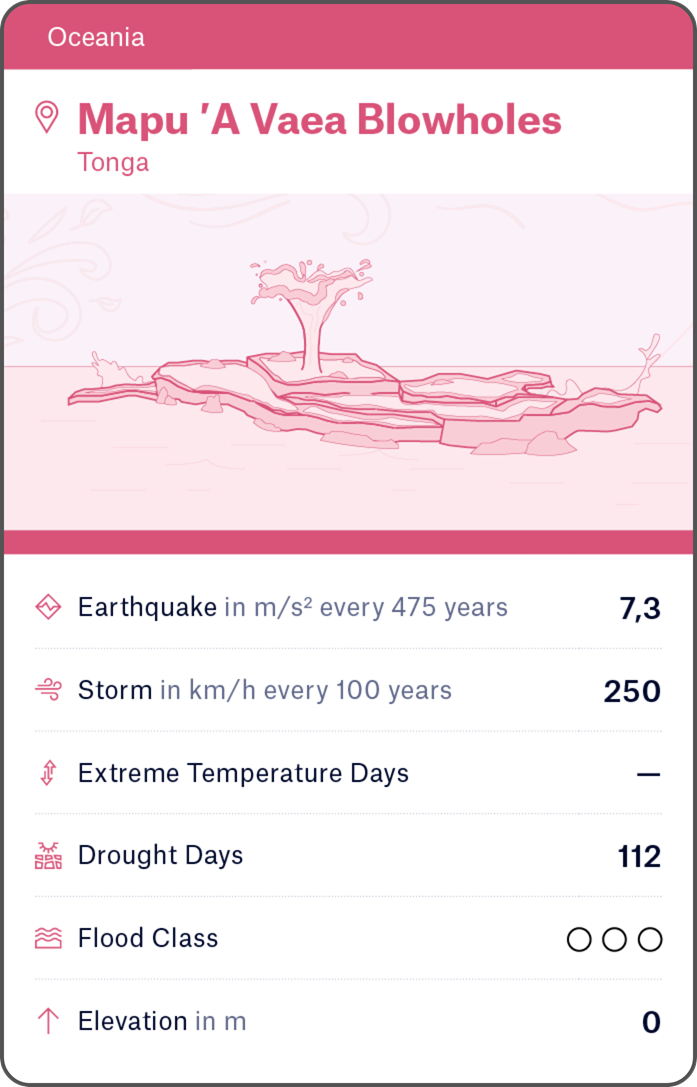
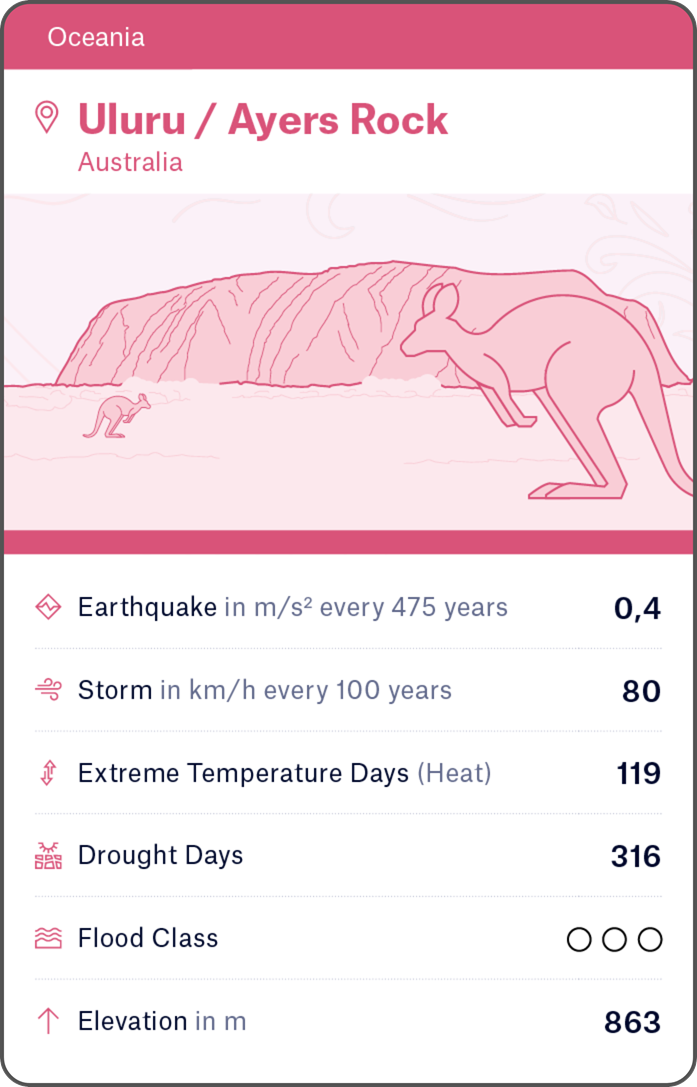
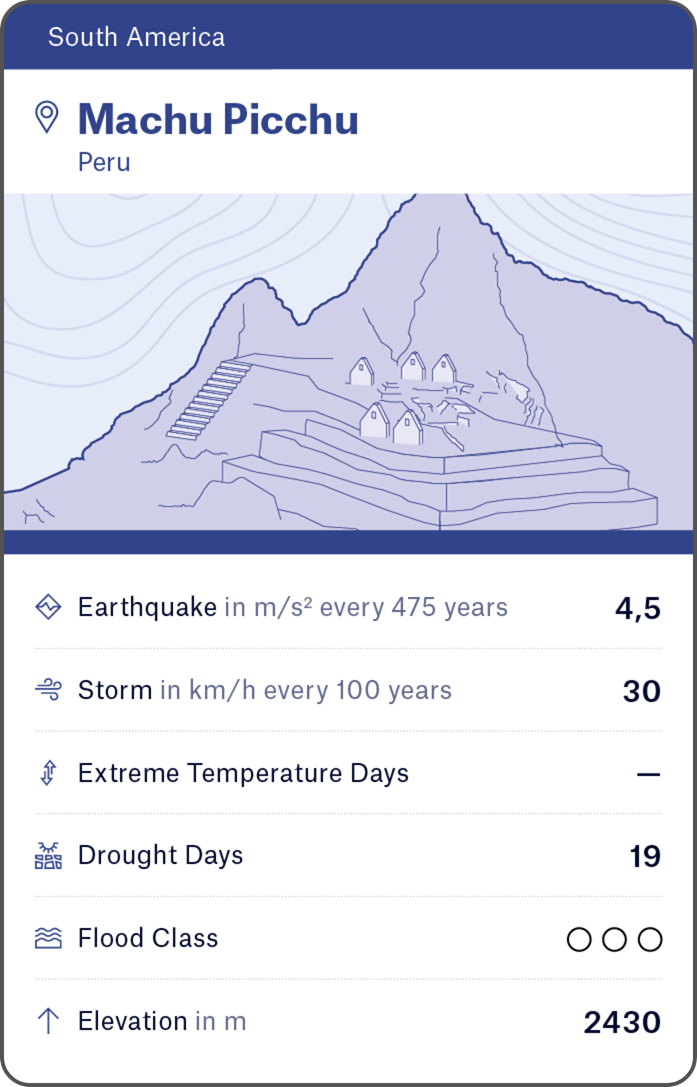
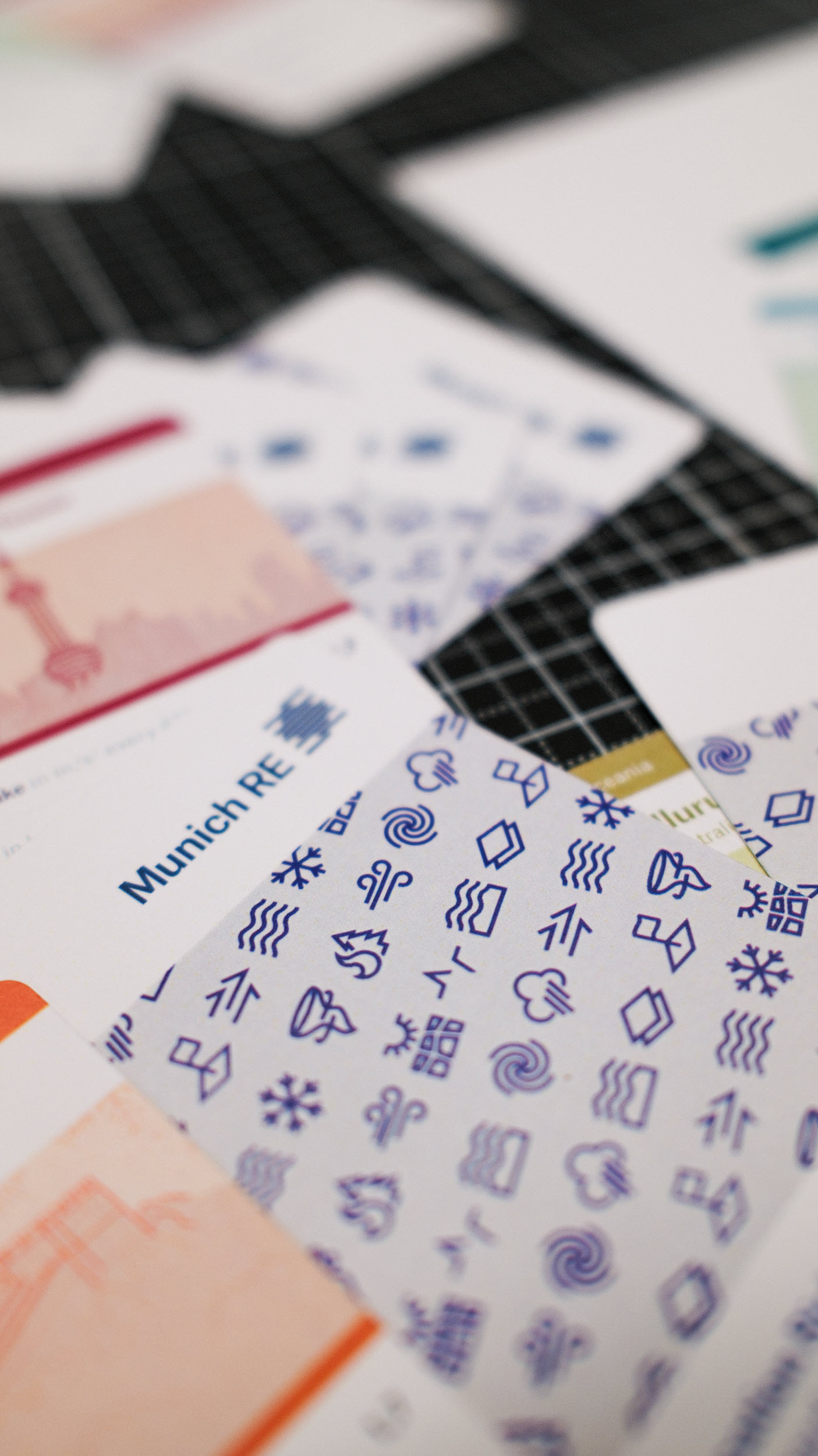
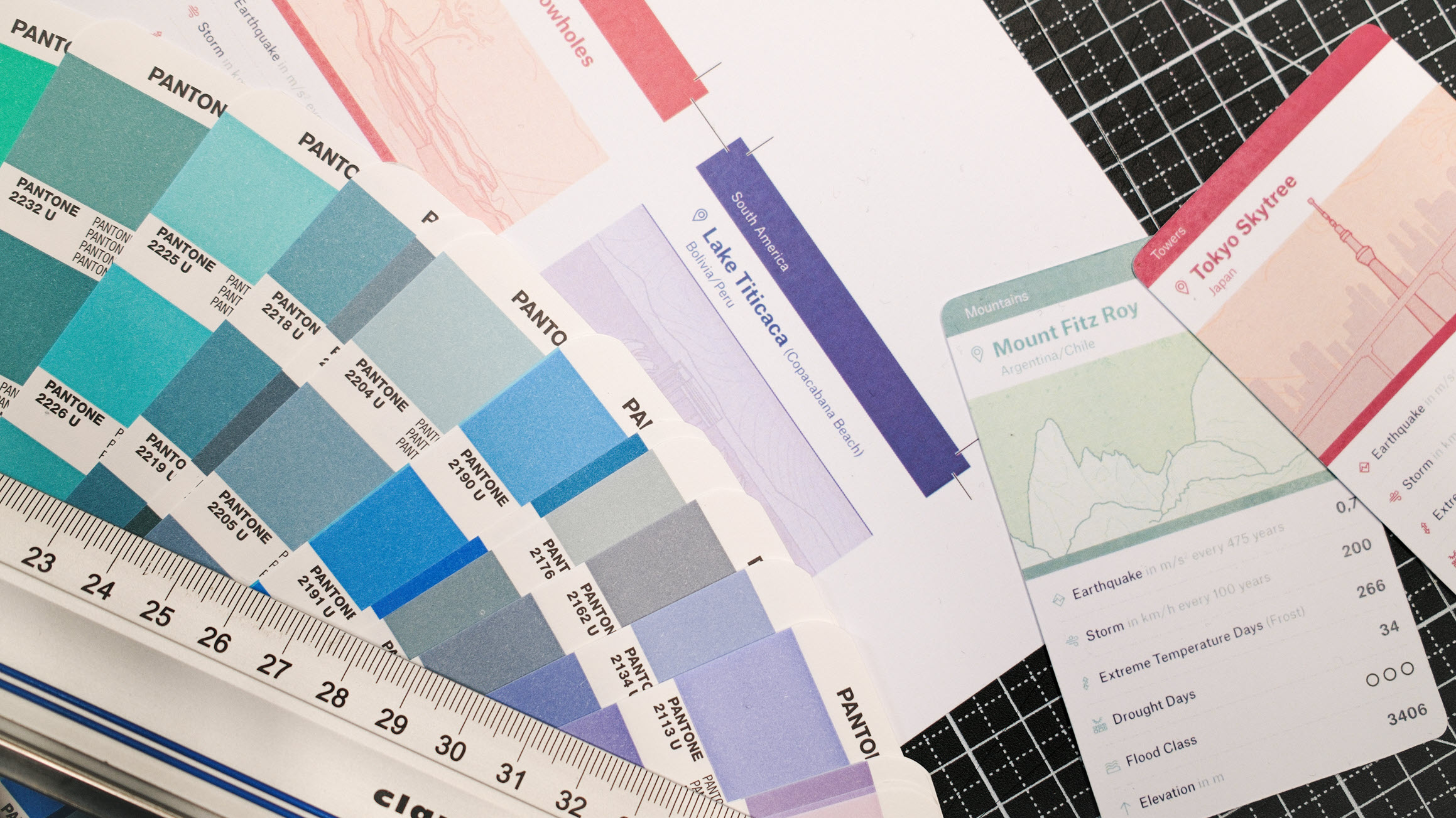
The main constraint was not creative. It was purely technical: a playing card only offers a few square centimetres of space. That meant a strict limit on how many climate risk indicators could be shown without turning the card into a miniature dashboard. The team agreed to use six perils. Any more would be illegible and, more importantly, unplayable.
Choosing those six perils was not a matter of taste. It was a joint exercise between the climate modelling experts and the design team. The goal was clear. The game had to showcase the breadth of Location Risk Intelligence, while still being understandable at a glance for players who might be bankers, real estate investors, corporate risk managers or underwriters.
32
climate risk playing cards
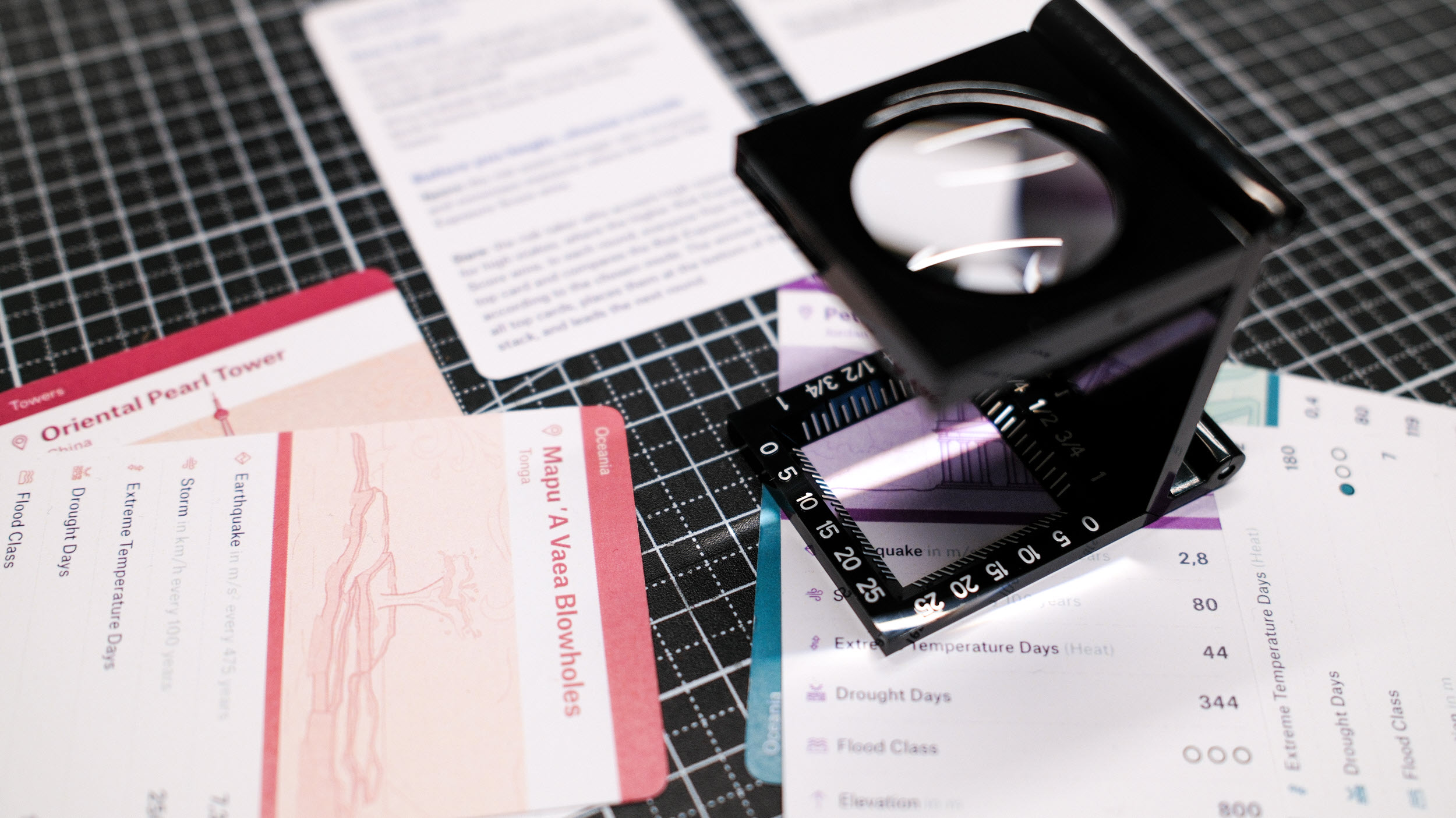
The modelling team began by generating candidate datasets in Excel and analysing them with scoring-methods in Python. They combined different measures of precipitation stress, drought metrics and lightning frequency with a longlist of potential locations. They did not only test for scientific robustness. They also tested each combination for playability: whether a peril produced a sufficiently wide spread of values across locations so that cards could genuinely win or lose in a round.
This approach has a visible side effect: the locations in the deck are not evenly distributed across the globe. Physical climate hazards themselves are unevenly spread, with clusters of particularly high exposure in certain regions, for example parts of the United States. To keep the game engaging, the team concentrated on areas with stronger hazard signals and accepted that some “iconic places” might be less familiar to some players than others. The guiding principle was that every card should carry a meaningful signal about physical risk and create real competition in a round, rather than reproduce a perfectly symmetrical world map.
Selecting iconic places that tell a global story
4
iconic landmarks per category
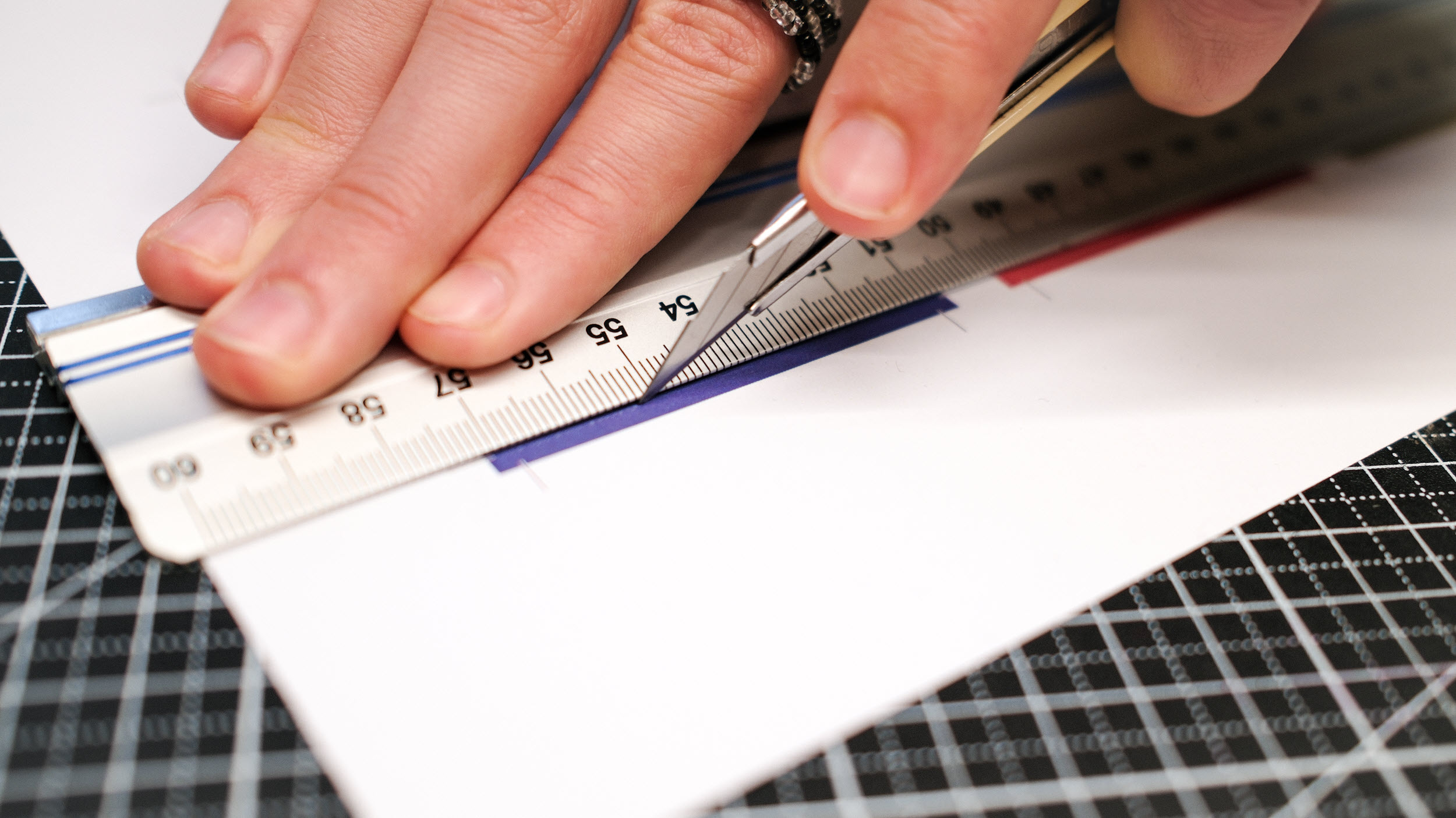
Here the climate models did not always get the final word. Some locations are included precisely because they spark conversation in a risk workshop. A flood score at a well-known cultural site invites questions about defended versus undefended views. For several lakes and waterfalls, the team manually moved the reference point from the water surface to the shore to reflect a realistic exposure pattern. For each site, the modellers double-checked that flood scores were plausible in “defended mode”, which represents existing flood protection, so that curious players would not be distracted by artefacts of a land-sea mask or an offshore grid cell.
This is a pattern you will recognise from working with Location Risk Intelligence in a professional context. The data is rigorous, but the real value emerges when experts stress-test and contextualise the outputs. The card game makes that reviewing process visible, just in a more playful setting.
6
physical climate hazards per card
Playing the game: modes, perils and conversations
With locations and perils in place, the final piece of the puzzle was the actual game experience. How should a banker in New York, a real estate investor in Frankfurt or a corporate risk manager in Singapore use this deck in a way that feels engaging and meaningful, rather than gimmicky?
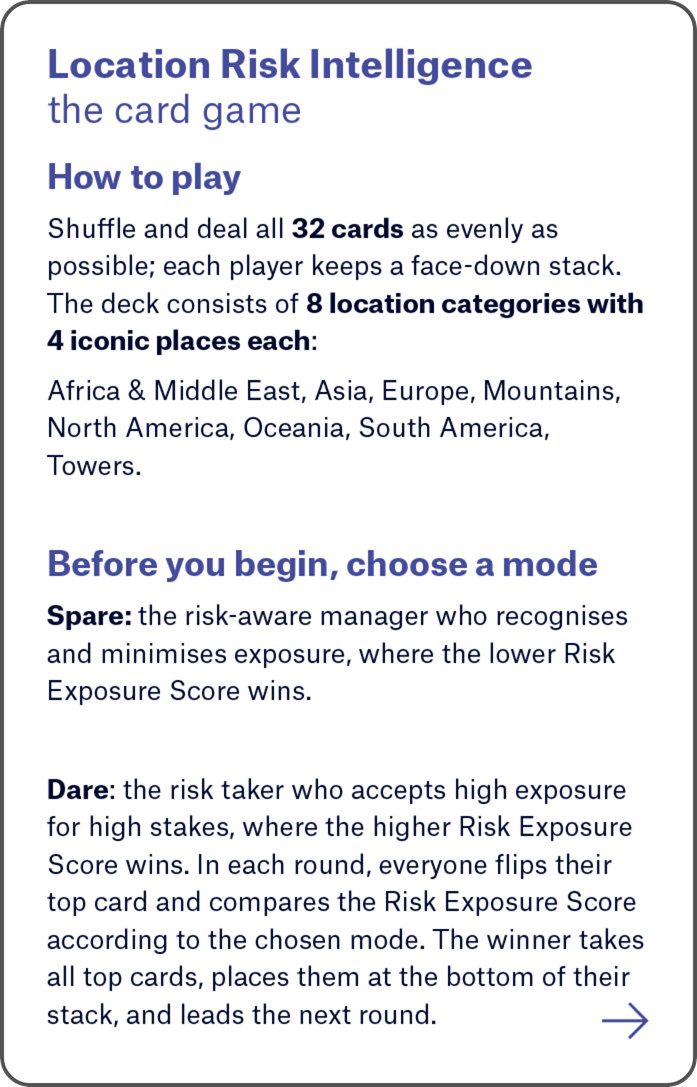
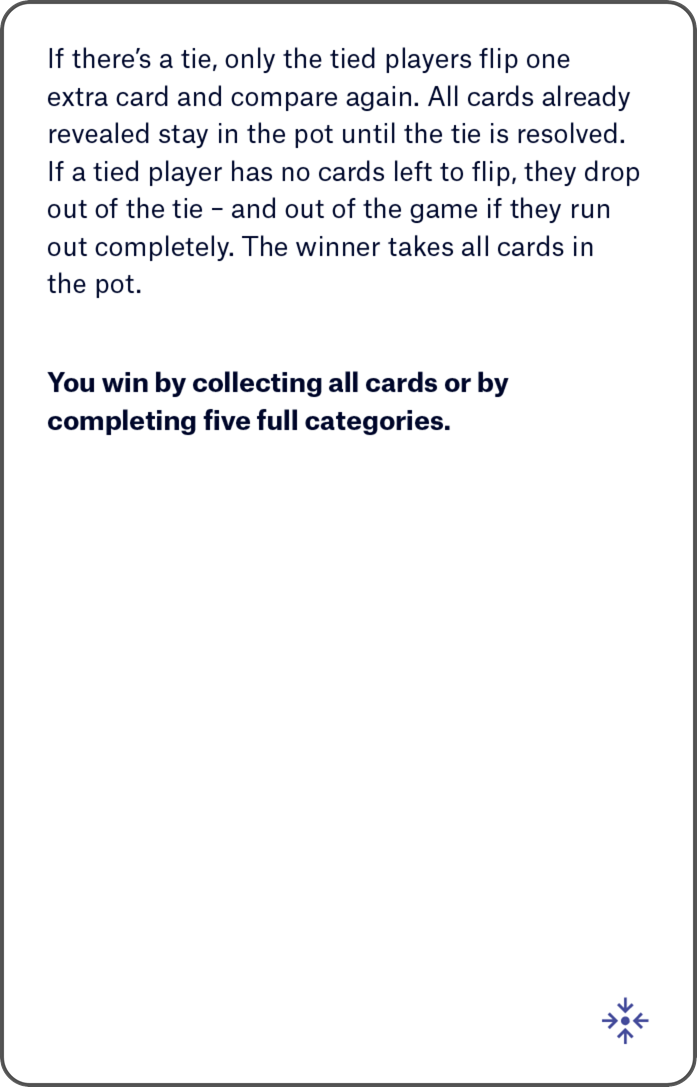
The answer became two simple modes that mirror real risk appetites. In Spare mode, the lower Overall Risk Exposure Score wins the round. Players effectively try to assemble the safest possible portfolio of landmarks, which speaks directly to risk averse strategies in lending, underwriting and asset management. In Dare mode, the higher Overall Risk Exposure Score wins. Suddenly, players are rewarded for holding cards with intense Flood, Storm or Earthquake scores, which reflects situations where organisations consciously accept higher exposure for higher potential returns.
On the table, the six perils turn into prompts for discussion. A card with high Flood and low Drought can open a conversation with a reinsurance client about coastal risk transfer and water stress. A combination of strong Earthquake and Storm scores can illustrate why a global corporate needs a truly multi-peril view of its critical locations. Extreme Temperature and Drought scores that rise in the 2030 view can anchor discussions with banks about climate scenario analysis, alignment with supervisory expectations and the role of physical risk in credit decisions.
2-8
players
In internal test sessions, colleagues quickly noticed that rounds of Spare and Dare rarely stayed abstract. People pointed at specific locations, questioned why one landmark had a higher flood score than another and shared stories about business trips or client sites nearby. That is exactly what the game is designed to do. It takes the same hazard intelligence that powers the Location Risk Intelligence platform and turns it into a conversation you can hold in your hand, one round at a time.
The world of risk – it’s now in your hands