Severe thunderstorms, wildfires, and flooding – losses from “non-peak perils” are on the rise
Climate change is increasing the risk of extreme weather – prevention has to take centre stage
In insurance jargon, these events have traditionally been referred to as “non-peak perils” or “secondary perils”. The explanation: for many years, the main focus was on extreme risks (“peak perils”) like tropical cyclones or earthquakes, where a single event could produce wide-spread, devastating losses. But don’t let labels like “non-peak” and “secondary” fool you: when added up over a year’s time, the potential losses have now become enormous – and continue to grow due to socioeconomic factors and the impacts of climate change.
Since the early 2000s, the aggregate losses attributable to these natural hazards have more than tripled, while insured losses have increased more than sixfold: from 2000 to 2004 the mean annual global losses, adjusted for inflation, were approximately US$ 49bn; for insured losses, the number was US$ 13bn. In the past five years, “non-peak perils” were responsible for annual inflation-adjusted losses of US$ 175bn, of which only around US$ 84bn were insured.
Extreme weather and climate change
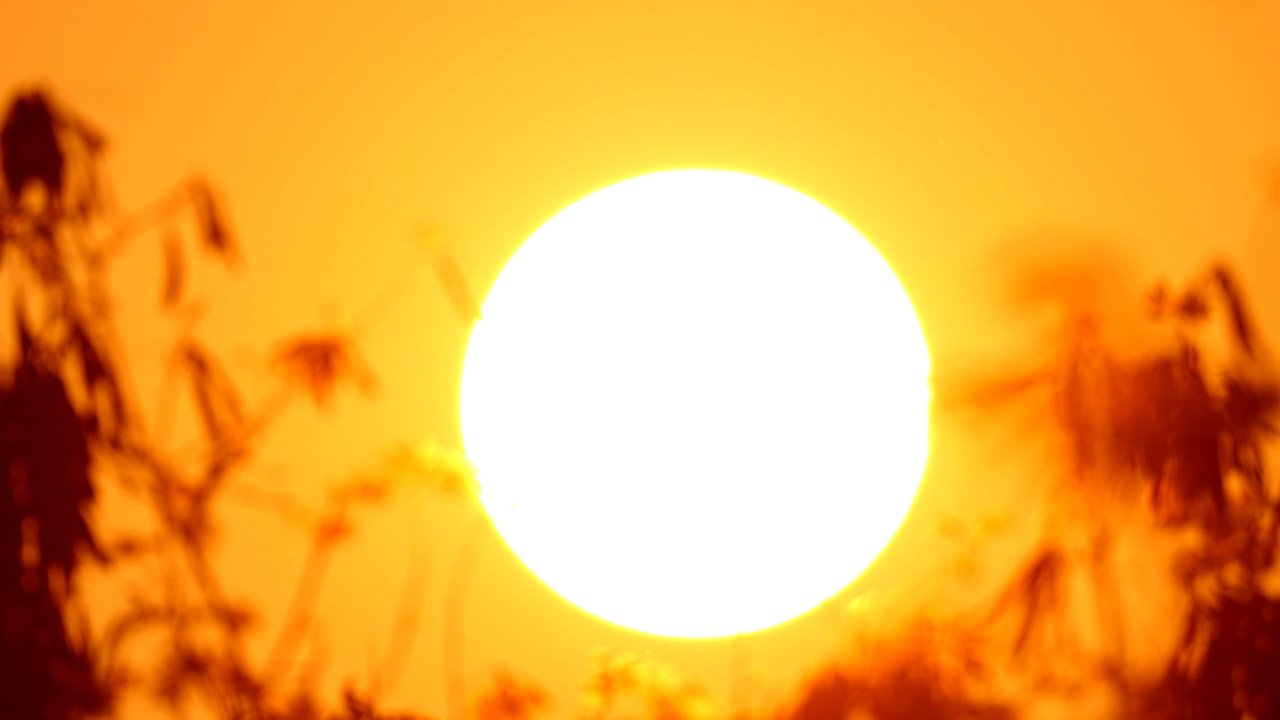
The scientific community continues to deliver evidence that these extreme weather events are increasingly affected by climate change. A warmer atmosphere can absorb more water vapour – roughly 7% more for every additional 1°C. Coupled with the higher energy content that a warmer atmosphere entails, this leads to more intense weather-related natural catastrophes – making them, depending on the region, more frequent, more severe, or in some cases both.
Given the growing value exposed to risk, together with the effects of climate change, we can expect to see continued, substantial growth in losses from non-peak perils. What we’re seeing now: peak perils like tropical cyclones and earthquakes, which have tremendous destructive potential, are responsible for those years characterised by extremely high natural disaster losses, whereas non-peak perils are responsible for the general trend – which is on the rise.
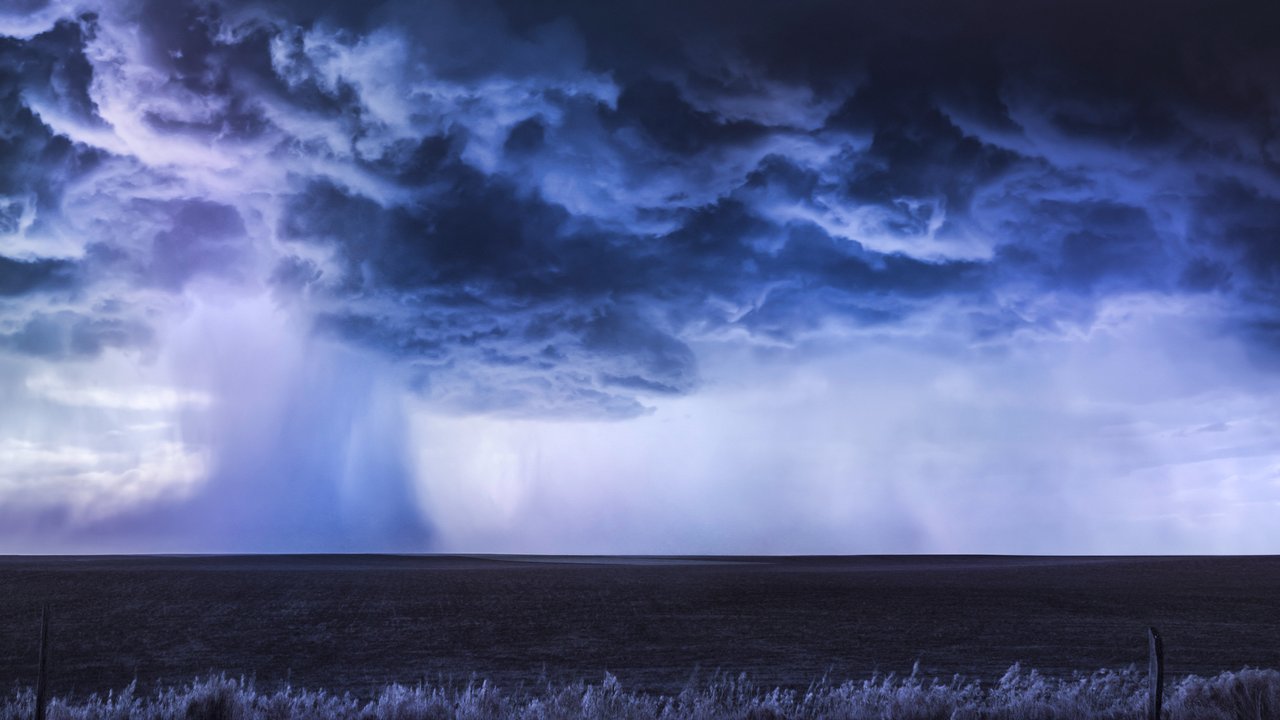
This trend is especially driven by losses in the US, chiefly due to severe thunderstorms with torrential rain, hail, and tornadoes. Taken together, they now produce equivalent losses to a severe hurricane – and do so year after year. In the case of severe thunderstorms, the percentage of insured losses is relatively high, which means the growing losses from these events are also a challenge for insurers. They have to adapt their risk models to avoid being caught unprepared by substantially higher losses.
What our data tells us:
- While losses from non-peak perils are rising strongly in many regions, severe thunderstorms in the US make up the lion’s share of losses.
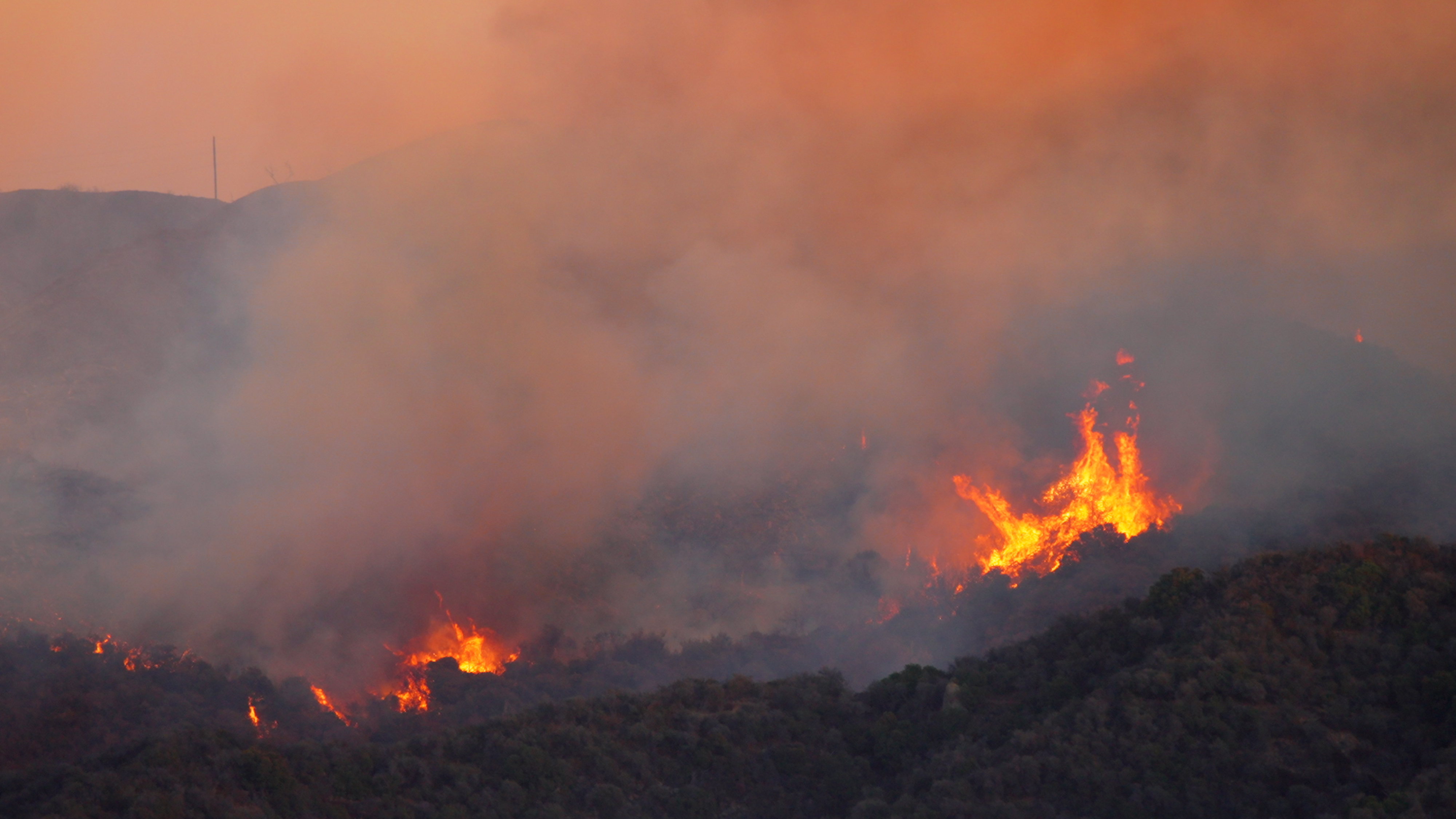
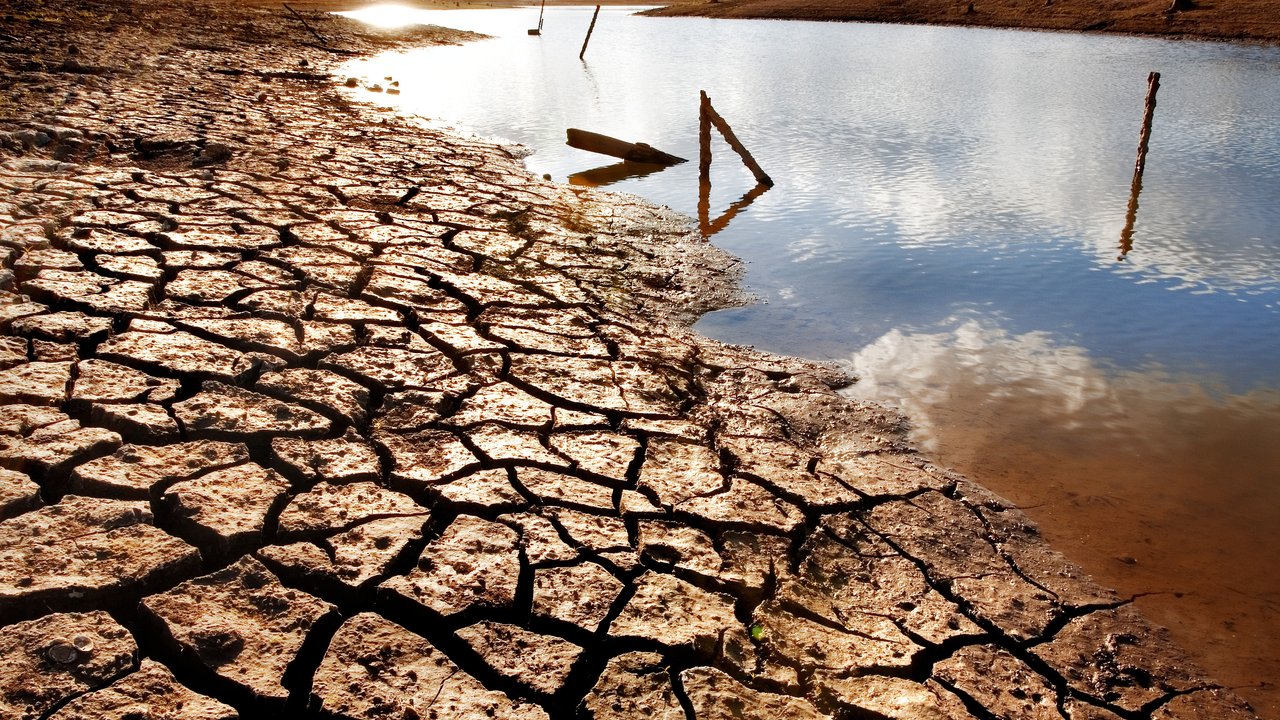
- Of all non-peak perils, severe convective storms produce the highest overall insured losses. In terms of overall losses, floods are the costliest events. In certain regions, losses from wildfires are also rapidly growing. The costliest wildfires to date, which struck the Los Angeles metropolitan area in January 2025, destroyed insured property amounting to roughly US$ 41bn; for overall losses, the number was US$ 54bn. Here, too, climate change is worsening risks: rising temperatures and more frequent droughts are making wildfires more likely in regions around the globe.
- Whereas the percentage of insured losses is comparatively high for hailstorms, thunderstorms and wildfires in industrialised countries, flood-related losses are largely uninsured.
- And in financially weaker countries, the protection gap is much larger. In many cases, those affected by natural disasters have to bear nearly all the costs themselves, because insurance isn’t common or because they can’t afford it.
Regional differences:
- In terms of losses from non-peak perils since 1980, roughly 42% of total global losses, and more than two-thirds of insured losses, came from the US. Based on the five-year mean, total annual losses in the US have increased 6.7-fold since the early 2000s, while insured losses have 8.5-fold.
- This is above all due to severe thunderstorms. Though the impact of climate change on hailstorms in the US is debated, the number of days with extreme weather events (more than 30 tornadoes per day, hailstones with a diameter exceeding 5 cm) is definitely on the rise. In addition, the preponderance of events is shifting to the east, where more values are exposed to risk.
- Losses are also steadily rising in Europe. Based on the five-year mean, total annual losses have more than doubled since the early 2000s, while insured losses have increased threefold. Especially in the past few years, there have been numerous natural disasters which the scientific community has found were likely influenced by climate change. Examples include the hailstorms in northern Italy, which produced hailstones measuring up to 19 cm in diameter in the summer of 2023.
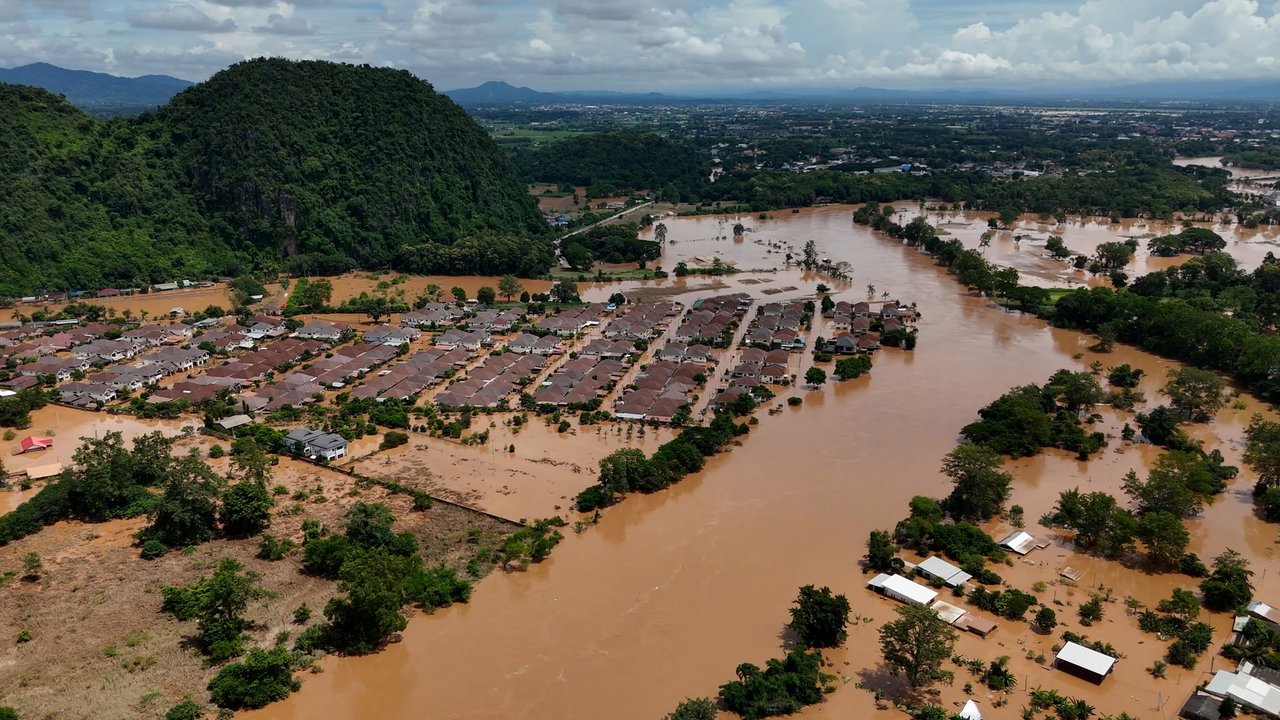
- In addition, we have repeatedly seen severe flooding on the heels of record-breaking torrential rains, as was the case in Austria and neighbouring Central European countries in the late summer of 2024. Scientists also view the growing number of heavy rainfall events as a clear sign of climate change.
- In the Asia-Pacific region, flooding events are the non-peak peril responsible for the highest losses: 38% of total natural disaster-related losses and 23% of insured losses in the region since 1980. The majority of losses are produced in China, which is frequently visited by seasonal flooding. Here, the main loss driver is the marked growth in exposed values, due to major financial centres that are located near rivers.
What to do – focus on prevention and higher insurance penetration
Unlike the extreme losses accompanying peak perils like hurricanes and earthquakes, non-peak events often result in moderate losses. Nevertheless, the cumulative annual losses are very high – year after year. To limit those losses, the focus has to therefore be on prevention:
- Robust buildings and risk-based site planning can help avoid losses.
The losses from many natural hazards can be greatly reduced through prevention. When suitable protective measures like dykes or floodplains far from densely populated areas are in place, losses from river flooding can be significantly reduced. In addition, development plans should more consistently be adapted to reflect local flood risks. - For other natural hazards like storms and hail, suitable construction methods can reduce the likelihood of losses. For example, in Switzerland, construction materials are certified on the basis of their hail resistance and listed in a “hail register”. In the US, the insurance sector supports the Institute for Business and Home Safety (IBHS) in its efforts to test full-scale houses’ ability to withstand storms, heavy rains, hail and wildfires.
Over the past several years Munich Re has successively refined its risk models to more accurately reflect changing loss potentials, including those from non-peak perils. Thanks to this expertise, we can consistently offer high risk capacity – and, under the right conditions, even expand it.
Newsletter
Solutions for assessing and managing risks
Reinsurance solutions


Industry solutions



Contact our experts

/Hanselmann_Lisa_n335137_X11.jpg/_jcr_content/renditions/crop-1x1-400.jpg./crop-1x1-400.jpg "Lisa Hanselmann")