» Home » Facts and figures

GRI reporting and Global Compact Communication on Progress

In preparing the Munich Re corporate responsibility portal, we have taken as a basis the G3 Principles of the Global Reporting Initiative (GRI) and the Financial Services Sector Supplement. Our aim is to make our performance more transparent and comprehensible. Application Level B has been confirmed by the GRI.

In August 2007, Munich Re joined the United Nations Global Compact. The indicators presented in the GRI disclosures simultaneously fulfil the requirements of the annual Communication on Progress Report. We thus document the measures we have taken to firmly anchor the ten principles of the Global Compact in our operations.

The following tables contain summarised comments on the individual indicators and refer to Munich Re’s CR portal and other publications.

Strategy, organisation and reporting profile
GRI No./
(GC*)
Performance indicator / Brief answer Link Degree of compliance
1.0 Strategy and analysis
1.1 Statement from the most senior decision-maker of the organisation (e.g., CEO, chair, or equivalent senior position) about the relevance of sustainability to the organisation and its strategy

Munich Re lives from the trust people place in us. As one of the world's leading insurers, we give our clients the promise that we will always fulfil the obligations we assume under insurance contracts. That is why it has always been our aim to act responsibly and, in this sense, corporate responsibility has been and will remain an integral part of our Group strategy.

Following the "Lehman" crisis, controversies over the stability of national economies and the future of the euro have once again culminated in extensive volatility on the capital markets. Thanks to our risk and investment management's orientation toward sustainable earnings, we are in a good position. By signing the United Nations' Principles for Responsible Investment (PRI) in 2006, we committed ourselves to adhere strictly to those principles. For example, we make at least 80% of our investments in shares and corporate and government bonds that satisfy sustainability criteria. And in the coming years, we intend to invest two-and-a-half billion euros in renewable energies and corresponding new technologies.

In 2011 alone, we have been able to expand our "renewable energies" (wind and solar) portfolio by about 160 megawatts to a total generated output of about 300 million kilowatt hours. This is equivalent to the annual consumption of a small city consisting of about 80,000 households.
CR portal Full
1.2 Description of key impacts, risks, and opportunities

In our core business, too, we are accepting global challenges ranging from climate change to demographic trends, to combating poverty in developing countries. As an insurance company, we can help to deal with these challenges primarily by identifying, assessing and pointing out the associated risks early on, and then offering innovative insurance solutions for them wherever possible.

Two relatively recent examples of this are new concepts for covering performance guarantees offered by manufacturers of wind farms and solar parks and the assumption of the exploration risk entailed in geothermal drilling operations. We are also actively working on formulating globally binding principles for the core business of insurance. Together with other major providers of financial services, we are taking part in the development of internationally recognised Principles for Sustainable Insurance under the auspices of the United Nations' Environment Programme.

We made our commitment to the values we hold dear a matter of public record in 2007 by joining the United Nations Global Compact, the leading international standard for sustainable management. Integrated in our corporate responsibility portal, our annual progress report for the UN Global Compact documents our adherence to the ten principles set forth in this internationally recognised standard.

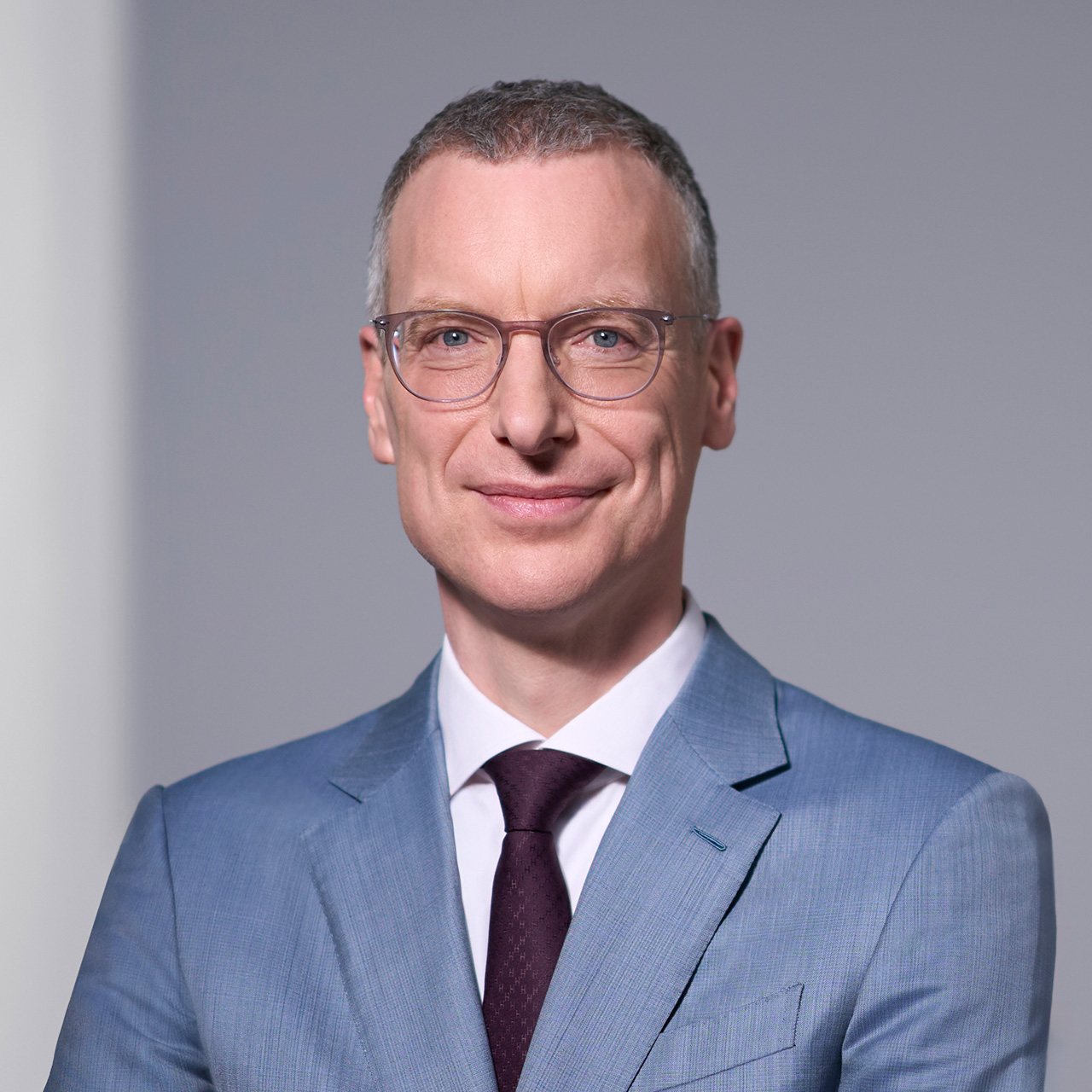
Nikolaus von Bomhard, Munich Re Chairman of the Board of Management

CR portalGroup annual report 2010 (p. 64 ff., 134 ff.) Full
2.0 Organisational profile
2.1 Name of the organisation

Münchener Rückversicherungs-Gesellschaft Aktiengesellschaft in München
  Full
2.2 Primary brands, products, and/or services

In insurance terms, Munich Re brings together what belongs together. Our integrated business model realises synergies and diversification effects along the whole value chain. This is achieved by our three business fields: primary insurance, reinsurance and Munich Health as the third pillar for the challenges of the global healthcare market.


Munich Re is one of the world's leading players in the reinsurance industry. The Group's primary insurance operations are mainly concentrated in ERGO, with some 40 million clients in over 30 countries placing their trust in the services and security it provides. In Munich Re's newest business field, Munich Health, the Group draws on the experience it has gained throughout the world in health insurance and reinsurance over a period of more than 20 years. Munich Health represents Munich Re’s health expertise and develops cutting-edge solutions for what is one of the industry’s fastest-growing markets. Munich Re’s business activities cover the whole value chain of insurance and reinsurance, and we are also active in the field of asset management via MEAG, the asset manager of Munich Re and ERGO.

Munich Re stands for exceptional solution-based expertise, consistent risk management, financial stability and client proximity. Munich Re creates value for clients, shareholders and staff alike. In the financial year 2010, the Group – which pursues an integrated business model consisting of insurance and reinsurance – achieved a profit of €2.4bn on premium income of around €46bn. It operates in all lines of insurance, with around 47,000 employees throughout the world. With premium income of around €24bn from reinsurance alone, it is one of the world’s leading reinsurers. Especially when clients require solutions for complex risks, Munich Re is a much sought-after risk carrier. Our primary insurance operations are concentrated mainly in the ERGO Insurance Group. With premium income of over €20bn, ERGO is one of the largest insurance groups in Europe and Germany. It is the market leader in Europe in health and legal protection insurance. More than 40 million clients in over 30 countries place their trust in the services and security it provides. In international healthcare business, Munich Re pools its insurance and reinsurance operations, as well as related services, under the Munich Health brand. Munich Re’s global investments amounting to €193bn (Status Dec 31, 2010) are managed by MEAG, which also makes its competence available to private and institutional investors outside the Group.

Group annual report 2010 (Cover text, pp. 48–53) Corporate website (Strategy) Corporate website (Portrait) Full
2.3 Operational structure of the organisation, including main divisions, operating companies, subsidiaries, and joint ventures

Munich Re is one of the world’s leading risk carriers. Our integrated business model rests on three pillars: reinsurance, primary insurance and Munich Health.


Reinsurance business is organised in six divisions (Life; HealthCare; Europe and Latin America; Germany, Asia Pacific and Africa; Special and Financial Risks; Global Clients and North America) and Munich Health.

Primary insurance business in Germany is divided into the segments life, health and property-casualty. This is supplemented by international business.

MEAG manages Munich Re’s assets and offers investment products for private clients and institutional investors.

Group annual report 2010 (pp. 48–53, 269–279) Full
2.4 Location of organisation's headquarters

Munich, Germany
  Full
2.5 Number of countries where the organisation operates, and names of countries with either major operations or that are specifically relevant to the sustainability issues covered in the report

Munich Re (reinsurance) operates worldwide and is represented in Africa, Asia, Australia and New Zealand, Europe, Latin America and North America.


The ERGO Insurance Group is represented in over 30 countries worldwide, with the focus on Europe and Asia. Its most important European markets besides Germany are the Baltic States, Italy, Poland and Turkey.

Munich Health has 26 locations throughout the world, servicing clients in over 40 countries. Munich Health’s decentralised organisation is managed from four regional hubs in Abu Dhabi, Princeton, Singapore and Munich.

MEAG is internationally active and operates not only in Germany but also in New York, Hong Kong and Luxembourg.

Group annual report 2010 (rear inside cover) Websites Full
2.6 Nature of ownership and legal form

Munich Reinsurance Company is a joint-stock company (Münchener Rückversicherungs-Gesellschaft Aktiengesellschaft in München).

At the end of December 2010, a total of 140,000 shareholders were entered in our share register. The vast majority of shares were held by institutional investors such as banks, insurers or investment companies; around 10.5% were in the hands of private investors. The percentage of international investors was slightly higher than in the previous year (70%). At year-end 2010, a good 72% of the shares were held by foreign investors.

Our largest shareholder at the end of 2010 was Warren E. Buffett, who holds a stake of around 10.2% in Munich Reinsurance Company via several companies in his group (Berkshire Hathaway Inc., OBH Inc., National Indemnity Co.). In second place was asset manager BlackRock with 6.2%. Warren E. Buffett and the aforementioned companies in his group informed us in October 2010 that their investment is geared to generating trading profits, not to implementing strategic objectives. The intention is to acquire further shares within the next 12 months. They do not seek to exert an influence on the composition of Munich Re’s management or supervisory boards or to significantly change the Company’s capital structure.
Group annual report 2010 (pp. 10, 12) Website (Shareholder profile) Full
2.7 Markets served

Munich Re engages in insurance and reinsurance businesses worldwide. It also provides asset management services. The company’s reinsurance products include life and health reinsurance, as well as property and casualty reinsurance, which include liability, personal accident, motor, marine, aviation&space, fire, engineering, credit and bonding, and other classes of reinsurance products; and primary insurance products comprise life and health, property-casualty, travel, and legal expenses insurance, as well as fund products and bank products, consultancy and other services. Munich Re serves institutional investors, small and medium sized businesses and private clients. The company offers its services through its branches and subsidiaries in the United States, Canada, Poland, Italy, India, the United Kingdom, France, Spain, China, Korea, Hong Kong, Singapore, Malaysia, Switzerland, South Africa, Australia, New Zealand, and internationally. The company was founded in 1880 and is based in Munich, Germany.
  Full
2.8 Scale of the reporting organisation

On 31 December 2010, the number of staff employed by Munich Re (Group) was 46,915.

Consolidated result: €2,430m

Analysis of our capital structure: Munich Re’s capital structure is essentially governed by its activity as an insurer and reinsurer. Investments on the assets side of the balance sheet serve mainly to cover technical provisions (74.7% of the balance sheet total). Equity (9.7% of the balance sheet total, €23.028bn) and bonds classified as strategic debt (2.2% of the balance sheet total) are the most important sources of funds.
(Group annual report 2010, page 100)

Number of products and services offered: Munich Re is one of the world’s leading risk carriers. The Group’s business operations cover the whole value chain of insurance and reinsurance. Munich Re is also active in the field of asset management.

Group annual report 2010 (p. 146 ff.) Full
2.9 Significant changes during the reporting period regarding size, structure, or ownership

In the reporting period, Munich Re concludes an agreement to acquire Windsor Health Group, Inc. (Windsor), the aim of the planned purchase being to strengthen Munich Health’s position in the US market. Windsor Health Plan, Inc. operates government- sponsored health plans and specialty managed healthcare programmes for senior citizens. Furthermore At 30 June 2010, MEAG’s assets under management total €204bn, thus exceeding the €200bn mark for the first time. In the first half of 2010 alone, assets under management increase by €11.6bn.
Annual Report 2010, page 3
Group annual report 2010 (p. 48) Full
2.10 Awards received in the reporting period

Here is a selection of awards and prizes conferred on Munich Re in the reporting period:


We again won the best overall global reinsurer category in the 2010 (biannual) Flaspöhler survey (the main cedant survey) with a rating of 65.7% (second place: 54.2%), including several hundred respondents from 42 countries. This was the third time Munich Re gained the title, having previously won it in 2006 and 2008. Munich Re also won Flaspöhler’s “Reinsurer of the Decade 2001–2010” accolade.

In addition, Munich Re achieved a variety of good sustainability and socially responsible investment (SRI) ratings, e.g. from Sustainalytics, as well as listings in the relevant indices and funds, e.g. the DJSI and FTSE4Good.

MEAG buildings received a Leed Silver Certification in 2010 (Columbia Square, Washington D.C.) and were placed on the list of official partners of the EU GreenBuilding Programme (Maria-Josepha-Straße, Munich; 2010/ Waterfront Building, Stockholm; 2009/ Westgate, Cologne; 2009/ Maximiliansplatz, Munich; 2009/ Sonnencarree, Munich; 2009/ Cologne Oval Offices, Cologne; 2008/). The GreenBuilding certification confirms that a building undercuts the 2007 German Energy Saving Ordinance limit by more than 25% and is awarded to the owners of commercial buildings whose energysaving designs promote sustainable construction.

MEAG’s fund “EuroErtrag” is the winner of the “€uro Fund Award” in the category “Mixed Funds (predominately bonds)” among 110 comparable funds. The award was granted as performance acknowledgement for the extraordinary rise in value of “EuroErtrag” in 2009.

CR portal Full
3.0 Report parameters
3.1 Reporting period for information provided

On its corporate responsibility (CR) portal, Munich Re mainly presents the CR-specific measures taken and successes achieved in the reporting period 1 January to 31 December 2010. The editorial deadline was 30 June 2011. Measures taken up to that date in a number of units in 2011 have been included in the portal. On the homepage of the CR portal, Munich Re also reports regularly on the latest significant developments in the area of corporate responsibility.
Unless otherwise specified, the quantitative data on the portal relate to the period 1 January to 31 December 2010.
CR portal Full
3.2 Date of most recent previous report

The last CR Report and together with the CR Portal were launched in October 2010.
  Full
3.3 Reporting cycle

Annual
  Full
3.4 Contact point for questions regarding the report and its contents

Georg Schwarz » responsibility@munichre.com
CR portal Full
3.5 Process for defining report content

Our stakeholders' main expectations are the basis for the topics chosen for the corporate responsibility portal. Our stakeholders' core concerns are ascertained by means of regular dialogue and through studies and surveys. Munich Re cultivates ongoing, open and constructive communication with its stakeholders. Munich Re’s main stakeholders are its shareholders, staff, clients, analysts, rating agencies, the media/press, scientists, non-governmental organisations, politicians, trade unions, initiatives/associations, interested members of the public and society at large.

Our stakeholders’ main expectations are the basis for the topics chosen for the corporate responsibility portal. Our stakeholders’ core concerns are ascertained by means of regular dialogue and through studies as well as surveys. The materiality process for this year was conducted with a defined small stakeholder group.

CR portal Full
3.6 Boundary of the report (e.g. countries, divisions, subsidiaries, leased facilities, joint ventures, suppliers)

The CR portal covers the Munich Re Group as a whole.
CR portal Full
3.7 State any specific limitations on the scope or boundary of the report

The CR portal addresses the most important and relevant activities in the field of Munich Re’s corporate responsibility.
CR portal Full
3.8 The basis for reporting on joint ventures, subsidiaries, leased facilities, outsourced operations, and other entities that can significantly affect comparability from period to period and/or between organisations

In accordance with the guidelines outlined in the Global Reporting Initiative (GRI), the information on the CR portal covers all companies in which Munich Re has a controlling interest. The key figures concerning human resources and the environmental sector relate to approximately 65% of Munich Re’s employees. All other information presented in the key figures refers to the Group as a whole.
CR portal Full
3.9 Data measurement techniques and the bases of calculations, including assumptions and techniques underlying estimations applied to the compilation of the indicators and other information in the report

In 2009, Munich Re decided to expand our environmental data base and collect data and information relevant to CR Group-wide using a special CR software solution. The indicators selected are geared to the international guidelines of the Global Reporting Initiative (GRI) and include the sector supplement for financial service providers, the ten principles of the UN Global Compact and the key performance indicators defined by us. The new software has increased the proportion of (Group) staff covered from around 45% to 65%. To derive the environmental data for the Group as a whole, all data were extrapolated to 100% of staff. Greenhouse gas emissions were determined on the basis of the greenhouse gas emission protocol.
CR portal Full
3.10 Explanation of the effect of any re-statements of information provided in earlier reports, and the reasons for such re-statement (e.g. mergers/ acquisitions, change of base years/periods, nature of business, measurement methods)

We generally report on the past three years in order to show the development of these performance indicators. Environmental footprint figures and Human Resources related figures we report in 2011 may differ from figures reported in 2010 for reporting period 2009. This is due to the implementation of a new database (SoFi) in 2010, eliminating errors in last year’s figures and improved data quality.
CR portal Full
3.11 Significant changes from previous reporting periods in the scope, boundary, or measurement methods applied in the report

In the case of the CR data, the information gathered in the Group has been expanded compared with previous years. Thus we have collected data for more employees than in previous years. At present, we record data at our main sites and use current international standards for calculating our environmental data, e.g. the greenhouse gas protocol and GRI. We cover approximately 65% of Group employees here as well.
  Full
3.12 Table identifying the location of the standard disclosures

The following table provides information on the indicators reported on.
  Full
3.13 Policy and current practice with regard to seeking external assurance for the report

Transparent reporting is based on valid, plausible data. Our Group-wide software system SoFi encompasses all CR-relevant Group data, which is collected in a defined process A dedicated network of data providers has been set up for this purpose. We are continuously expanding the coverage for the system. As a first step, we have had our environmental management system certified (according to ISO 14001) at a number of sites and increased the proportion of employees captured by the indicator. Thus, a part of the current report has been reviewed by an external auditor.
  Not reported
Governance, commitments and engagement
GRI-No./
(GC*)
Performance indicator / Brief answer Link Degree of compliance
4.0 Governance, commitments and engagement
4.1 Governance

Munich Reinsurance Company is a joint-stock company (“Aktiengesellschaft”) according to f the German Stock Companies Act. It has three governing bodies: the Board of Management, the Supervisory Board and the Annual General Meeting. Their functions and powers derive from the relevant legal provisions, the co-determination agreement and the Articles of Association, which are published on our website.
Group annual report 2010 (pp. 24–28) Corporate website (Articles of Association) Full
4.2 Indicate whether the Chair of the highest governance body is also an executive officer

Dr. Hans-Jürgen Schinzler, the Chairman of Munich Re’s Supervisory Board, is not the Chairman of Munich Re’s Board of Management.
Group annual report 2010 (p. 60–63) Full
4.3 For organisations that have a unitary board structure, state the number of members of the highest governance body that are independent and/or non-executive members

This is not relevant since Munich Re has a Supervisory Board and a Board of Management.
  Not relevant
4.4 Mechanisms for shareholders and employees to provide recommendations or direction to the highest governance body

Munich Re offers institutional investors, private investors and employees a range of opportunities for input in the decisions taken. These include annual general meetings, a shareholder hotline, a suggestion scheme and blogs. As the first of all DAX-30-businesses Munich Re offered their shareholders and clients via live-stream the possibility for online-participation at the annual meeting as well as postal vote for shareholders. Thus our shareholders and clients could benefit from this recent decision of the legal authority to make their vote concerning topics of the agenda of the Annual Meeting without being necessarily present.
Website (Investor & Rating Agency Relations) Full
4.5 Linkage between compensation for members of the highest governance body, senior managers, and executives, and the organisation’s performance

The remuneration systems of all governing bodies and executive managers are strongly geared to Munich Re’s long-term value creation and contain a fixed an a variable component, the latter including sustainable criteria. Readers are referred to our detailed remuneration report for further information on Munich Re’s remuneration systems.
Group annual report 2010 (p. 28 ff.) Full
4.6 Processes in place for the highest governance body to ensure conflicts of interest are avoided

A dual management system is prescribed by law for German joint-stock companies. It is this division into strategic and operative management on the one hand and monitoring, control and consulting on the other that provides for independent supervision of the Board of Management by the Supervisory Board. In addition, the number of independent members of the Supervisory Board is always as high as possible. Munich Re also follows the recommendations of the German Corporate Governance Code. Members of the Supervisory Board inform the Supervisory Board without delay of emerging conflicts of interest. No member of the Supervisory Board is a member of a governing body of one of Munich Re’s main competitors. The Board of Management is also obliged to adhere to strict rules for addressing conflicts of interest (for instance, in order to avoid such conflicts and for the purpose of creating transparency).
Corporate website (Code of Conduct) CR portal Full
4.7 Process for determining the qualifications and expertise of the members of the highest governance body for guiding the organisation's strategy on economic, environmental, and social topics

The Supervisory Board’s Nomination Committee is responsible for finding suitable candidates for the Supervisory Board to propose to the Annual General Meeting for election. The basis for the Nomination Committee’s work is a detailed catalogue of criteria formulating the technical and personal standards candidates must fulfil. The indispensable personal criteria include a commitment to Munich Re’s aim for long-term and sustained increase in value. The Supervisory Board’s Personnel Committee has comparable criteria and prepares the appointment of members of the Board of Management and, together with the Board of Management, concerns itself with long-term succession planning. The field of corporate social responsibility is within the area of responsibility of the Chairman of the Board of Management.
Group annual report 2010 (p. 24 ff.) Full
4.8 Internally developed statements of mission or values, codes of conduct, and principles relevant to economic, environmental, and social performance and the status of their implementation

It is an integral part of our business model as a global insurance group to adopt a forward-looking and responsible approach throughout our organisation. This understanding is set out in our guiding principles for corporate responsibility, which were adopted by the reinsurance group in 2006 and by ERGO in 2008 and in which we acknowledge our economic, ecological and social responsibility.


It is an integral part of our business model as a global insurance group to adopt a forward-looking and responsible approach throughout our organisation. This understanding is set out in our guiding principles for corporate responsibility, which were adopted by the reinsurance group in 2006 and by ERGO in 2008 and in which we acknowledge our economic, ecological and social responsibility. Our objective is to create responsible and sustainable value. That justifies and inspires the confidence of our investors, clients and employees – and of the public in general. Our actions are governed by national and international codes and standards. The » codes of conduct introduced at Munich Reinsurance Company in 2006, the reinsurance group and MEAG in 2007, and ERGO in 2008 set out what we understand by legally impeccable behaviour, based on ethical principles, specifying high-level ethical and legal requirements that must be met by every employee, as well as our shared responsibility towards the public, our business partners and ourselves. Each of these codes is a basis for the observance of further » compliance rules within all Munich Re units. We want our staff to be familiar with the relevant content, and we also expect every manager and decision-maker to ensure that these rules and guidelines are complied with. Environmental protection is also part of the codes of conduct. Furthermore, a special code of conduct for the sales agents of ERGO will be implemented in the course of 2011 as part of their employment contract. Our codes of conduct cover the entire reinsurance group and about 98% of ERGO employees.

Beyond this, the Munich Re Group acts in accordance with the ten principles laid down in the United Nations » Global Compact, of which we became a signatory in September 2007.

In 2011 we further strengthened our CR approach when the Board of Management approved a Group-wide CR strategy.

This contains a new CR mission statement valid Group-wide: CR is an integral part of our corporate strategy and relevant for all business areas and operations:

1. Munich Re actively also integrates ESG aspects into (re)insurance and asset management.

Actual activity implemented:In 2005, this requirement was set out in our Group-wide General Investment Guidelines (GIG) and extended to include government bonds. The Investments have to meet the “Sustainability-Principle“ meaning that for this reason at least 80% of the investments of each business segment in shares, corporate, government and covered bonds should be invested in assets that are members in one of the established sustainability indices or meet other accepted sustainability criteria.

We are also actively working on formulating globally binding principles for the core business of insurance. Together with other major providers of financial services, we are taking part in the development of internationally recognised "Principles for Sustainable Insurance" under the auspices of the United Nations' Environment Programme.

Also, as of 2011 a new policy regarding the acquisition of new buildings was adopted taking into account sustainability criteria and green certification.

2. Munich Re conducts active environmental management at its business sites and strives for carbon neutrality:

Actual activity implemented: Our Group-wide strategy is to reduce global CO2 by 10% per employee by 2015 and furthermore become carbon neutral. The activity of Munich Re Munich is already carbon neutral since 2009.

3. Munich Re assumes its responsibility as corporate citizen in areas close to its core business and in the area of culture and social need at its local operations: In March 2011 the Board approved a new Corporate Citizenship Strategy.

To position ourselves more strategically and create a framework for our international social commitment, we have designed this Group-wide corporate citizenship concept that contains concrete sponsorship criteria. Instead of making many small individual donations at the different locations, we intend to increasingly concentrate on major projects with selected partners. The emphasis is on long-term cooperations and a stronger involvement of our staff in corporate volunteering measures. In addition to the basic promotion of social and cultural projects at our different locations, the concept focuses on business-related topics. Our reinsurance operations intend to increasingly support projects in the field of natural catastrophes and demographic change that deal with disaster prevention and the consequences of migration. ERGO will devote special attention to youth and school projects, with a strong focus on the promotion of educational and children's projects in the field of music. Health and prevention topics will be given precedence by Munich Health.

Corporate website (Code of Conduct) ERGO website (Code of Conduct) CR portal Full
4.9 Procedures of the highest governance body for overseeing the organisation’s identification and management of economic, environmental, and social performance, including relevant risks and opportunities, and adherence or compliance with internationally agreed standards, codes of conduct, and principles

In 2008, we assigned the field of corporate responsibility to a separate unit at our Munich headquarters. This unit is incorporated in the Group Development Division, which is responsible for developing and implementing Group CR strategy and reports directly to the Chairman of the Munich Re Board of Management. As of 2011 an annual evaluation report on Corporate Responsibility is submitted to the Board of Management.


The Board of Management requires reports on sustained value creation from various other units, for instance from Integrated Risk Management (whose responsibilities include emerging risks) or the new established Emerging Risks Think Tank. Furthermore, Group Development has conducted an extensive trend assessment, the results of which have been presented to the Board of Management. Identifying trends and risks that are relevant for sustainable corporate development is a central component of Munich Re’s business model.

The Supervisory Board monitors Munich Re’s management and pays particular attention to the long-term increase in corporate value.

The Audit Committee (one of five committees set up by the Supervisory Board of Munich Reinsurance Company) obtains reports several times a year on the risk situation. The Chief Risk Officer presents these reports to the Audit Committee. The Chief Compliance Officer and Head of Group Audit regularly report to the Audit Committee.

Group annual report 2010 (pp. 17–21) CR portal Full
4.10 Processes for evaluating the highest governance body’s own performance, particularly with respect to economic, environmental, and social performance

The Supervisory Board monitors Munich Re’s management and a long-term increase in value. Since our remuneration system is strongly geared to sustained increase in value, the Board of Management’s objectives and performance appraisal in terms of fulfilling these objectives determines the amount of remuneration paid to each Board member.
Group annual report 2010 (p. 24 ff.) Full
4.11
(7)
Explanation of whether and how the precautionary approach or principle is addressed by the organisation

Munich Re’s commitment to the precautionary principle is reflected in its sophisticated risk management. The development of its risk strategy is embedded in the annual planning cycle, and hence in our business strategy. The risk strategy is approved by the Board of Management and discussed regularly with the Supervisory Board. The risk strategy is determined by setting a risk appetite defined by a series of risk limits. The risk appetite is based on the capital and liquidity available and on earnings volatility, and it provides a term of reference for the Group’s operating divisions. The risk appetite laid down ensures that an appropriate balance is maintained between business opportunities and risks incurred.
Group annual report 2010 (p. 116 ff.) CR portalWebsite (Risik management) Full
4.12 Externally developed economic, environmental, and social charters, principles, or other initiatives to which the organisation subscribes or endorses

We are convinced that our business concept can only be successfully realised in the future through sustainable and responsible action. To make our understanding of the relevant values clear inside and outside our Group, Munich Re joined the United Nations Global Compact in August 2007. The ten Global Compact principles offer us important action guidelines for anchoring corporate responsibility even more firmly in the processes relating to our core business.


In April 2006, Munich Re became the first German company to sign the UN Principles for Responsible Investment (PRI), which we played a prominent role in helping to establish. Since 2011, Munich Re is chairing the UN PRI Board. As a chair of the UNEP FI Insurance Commission, we work for greater consideration of ecological, social and governance (ESG) factors in the insurance industry. With the Principles for Sustainable Insurance (PSI)-Working Group we are actively promoting and supporting the efforts to establish a common framework.

With our knowledge of risk, we aim to help heighten awareness among politicians and the general public regarding challenges such as climate change and thus initiate necessary measures to mitigate its consequences. The following are specific examples of some of the initiatives and partnerships we have launched or supported financially and/or contributed content to: Desertec Industrial Initiative, Munich Climate Insurance Initiative (MCII), the Global Earthquake Model. As a signatory to the German Charter of Diversity (Charta der Vielfalt), ERGO also endeavours to set an example in fairness and mutual respect within companies. In addition, Munich Re's companies have made national commitments.

CR portal Full
4.13 Memberships in associations and/or national/international advocacy organisations

Munich Re is represented in and actively contributes to numerous associations, interest groups and organisations. These include among others for example the German Insurance Association (GDV), the German Insurance Employers’ Association, UNEP FI Insurance Commission and Climate Working Group, PRI Principles for Responsible Investment, Global Earthquake Model (GEM), World Economic Forum Geneva, Stifterverband für die deutsche Wissenschaft: Innovation Agency for the german science system of the german business community, International Insurance Society, German Industry Union (BDI), Carbon Disclosure Projet, European Insurance CFO Forum, European Severe Storms Laboratory (ESSL), Institute for Economic Research of the University of Munich and the Munich Climate Insurance Initiative (MCII).
CR portal Full
4.14 List of stakeholder groups engaged by the organisation

The main Munich Re stakeholder groups: Shareholders, staff, clients (including brokers), analysts, investors, rating agencies, media/press, scientists, non-governmental organisations (NGOs), representatives from politics and administration, trade unions and interested members of the public.
CR portal Full
4.15 Basis for identification and selection of stakeholders with whom to engage

Munich Re has always placed great emphasis on transparency and dialogue with its stakeholders. These mainly include our insurance and reinsurance clients, the media and general public, our employees, and capital market players as well as NGOs, political entities and trade unions. Responsibility for stakeholder engagement is decentralized: Investor Relations (investors and analysts, rating agencies); Group Development – Corporate Responsibility (society, SRI contacts); Group Communications (NGO’s, press relations); Human Resources (talent attraction, employee satisfaction); Business units (customers)
CR portal Full
4.16 Approaches to stakeholder engagement, including frequency of engagement by type and by stakeholder group

Communication with our stakeholders – at local, national and international level – is our basis for responsible action. Our stakeholders’ suggestions and comments constitute valuable input for Munich Re. We are committed to creating added value for both sides with our dialogue-based approach.

Responsibility for stakeholder engagement therefore is decentralized and allocated guaranteeing a frequent in-depth-engagement: Investor Relations (investors and analysts, rating agencies); Group Development – Corporate Responsibility (society, SRI contacts, academia); Group Communications (NGO’s, media relations); Human Resources (employees, universities); Business units (customers).


Our corporate strategy aimed at a sustained increase in value is accompanied by ongoing and open communication with all capital market participants, focusing on our investors, shareholders and future ones.

The main task of Investor Relations at Munich Re for instance is to specifically approach investors, cultivating contact with existing shareholders and gaining new ones. At the same time, we ensure that due account is taken of our investors’ opinions in internal discussion and decision-making processes. We have again achieved good results in insurance-sector rankings for the quality of investor relations management, achieving recognition for the consistency and transparency of our reporting. All the presentations we use in our meetings with analysts and investors and in our conferences and road-shows are published on the internet, and we are happy to send these to interested shareholders on request. Many of our events are transmitted live via web-streaming.

Enquiries reaching us via our shareholder hotline or by e-mail are answered promptly by our team. Additionally, the service pages of our shareholder portal on the internet provide our registered shareholders with a wide range of information and communication facilities. The portal gives them the comfortable option – anywhere, any time – of managing their registered shareholder data, registering for the AGM or ordering documents electronically.

Our 123rd Annual General Meeting was held at the ICM – International Congress Centre – in Munich on 28 April 2010. Munich Re was the first DAX 30 company to offer online participation at its AGM and a postal vote. This enabled our shareholders to take advantage of these options recently introduced by German legislation when casting their votes on the agenda items.

Munich Re approaches for example its clients, one of the most important stakeholder groups, by using a variety of measures: Numerous client seminars are conducted annually in Munich and in the International Organisation, guaranteeing an exchange of knowledge across all lines of business between the Group and its clients. Training programmes for clients also contribute to the continuous dialogue. Beyond this, Munich Re offers two three-month scholarship programmes – the Horst K. Jannott Scholarship and the Alois Alzheimer Scholarship. Both are aimed at future managers at insurers worldwide and provide them with an in-depth insight into reinsurance business. The regularity of the programmes has now produced a significant alumni circle of some 600 people.

Contact with clients is also generated by traditional marketing and Public Relations work, e.g. using information brochures and adverts on a regular basis. Munich Re additionally offers individual consultancy services, for example in the claims management area, and clients benefit from the use of a special portal (connect.munichre) where forms, tools and business-related information can be accessed. The continuous interaction provided by meetings, video and telephone conferences, e-mails and workshops also supports stakeholder dialogue.

Employees for example are regularly kept up to date through detailed online information posted on the intranet (“go ahead”) and potential new staff and university graduates are kept informed and their opinions sought through online surveys, direct contact and working groups.

CR portal Full
4.17 Key topics and concerns that have been raised through stakeholder engagement, and how the organisation has responded to those key topics and concerns, including through reporting

The different expectations and needs of the stakeholder groups are ascertained by means of ongoing direct dialogue and through studies and surveys/questionnaires. For instance, client surveys are carried out regularly and their results critically reviewed by Munich Re. One of our stakeholders’ prime concerns is the need for transparency, which Munich Re addresses through various communication measures. A specific example is the topic climate change, which is addressed on our website and in various publications (e.g. key focus: climate change).
CR portal Full
Economic performance indicators
GRI No./
(GC*)
Performance indicator / Brief answer Link Degree of compliance
EC
(1, 4, 6, 7)
Management approach

Turning risk into value – that is what Munich Re has been doing successfully for around 130 years. As an integrated insurance and reinsurance group, Munich Re adopts an international and interdisciplinary approach with a view to finding solutions that are viable for the future.


Analysing and carrying complex risks requires expertise in many disciplines. Only as a group can we create added value in the form of risk diversification and greater security. The synergy effects and diversification benefits of this business model enable us to approach risks holistically and develop the solutions that best fit each client’s individual risk situation. The main drivers of our action are our business model and our conviction that change always brings opportunities.

Munich Re’s objective is to analyse risks from every conceivable angle and to assess and diversify them, thereby creating lasting value for shareholders, clients and staff. A guiding principle of our entrepreneurial thinking and activity is to increase Munich Re’s shareholder value on a sustained basis.

The financial year 2010 was marked by numerous natural catastrophes and other major losses. With our broad range of products in primary insurance and reinsurance, we helped to cushion at least the financial consequences of such events for those affected and nevertheless achieved a good result for the financial year 2010. This success is founded on the consistent implementation of our strategy geared to creating sustainable value. At its centre are our value-based management, our rigorously practiced integrated risk management, covering both sides of the balance sheet, and our outstanding risk knowledge. This business approach makes us an attractive, dependable and reliable partner for our clients and adds value for our investors.

Group annual report 2010 (p. 13 ff.) Full
EC1 Direct economic value generated and distributed, including revenues, operating costs, employee compensation, donations and other community investments, retained earnings, and payments to capital providers and governments

Summary of the figures for the financial year 2010

The Group recorded a good operating result of €3,978m (2009: 4,721m), €611m of this in the fourth quarter. Despite the high dividend payout and share buy-backs, Group equity increased to €23.0bn (31 December 2009: €22.3bn). Return on risk-adjusted capital after tax (RORAC) amounted to 13.5% for 2010, and return on equity (RoE) to 10.4%. Gross premiums written rose significantly by almost 10% to €45.5bn (2009: 41.4bn). If exchange rates had remained the same, premium volume would have grown by 5.1% compared with the previous year.

Reinsurance

In 2010, Munich Re’s reinsurance business was impacted by high claims costs for major losses. At €2,228m (2009: €1,157m), the total burden from major losses was higher than the projected amount and the multi-year average, with 11.0 percentage points of the combined ratio attributable to natural catastrophes. The consolidated result declined by 18.5% to €2.1bn (2009: €2.6bn). Our investment result was good at €3,436m (2009: € 3,796m), mainly owing to gains on the disposal of investments. Our operating result for reinsurance, which includes the investment result, decreased by 28.2% to €2.9bn (4.1bn). The technical result totalled €1.3bn (1.9bn) (please see Group annual report, page 76).

Primary insurance

In the financial year 2010 overall, premium volume across all lines of business totalled €19.2bn (18.2bn), representing an increase of 5.4%. Expansion was particularly prominent in international business, reflecting organic growth and favourable trends in exchange rates in important markets. Although the premium volume in primary insurance largely stems from the eurozone, income was still positively influenced by changes in exchange rates, above all the Polish zloty. At €14.5bn (14.0bn), overall premium income from Germany was up 3.6% on the previous year. Gross premiums written in 2010 totalled €17.5bn (16.6bn). Unlike overall premium income, gross premiums written do not include the savings premiums of €1.7bn (1.6bn) from unit-linked life insurance and capitalisation products. ERGO’s premium growth is especially pleasing in view of the brand changeover in Germany, where our sales forces have done an excellent job (please see Group annual report, page 89).

Personnel expenses

The following personnel expenses are included in the operating expenses, in the expenses for claims and benefits (for claims adjustment) and in the investment result (please see Group annual report, page 257):
Breakdown of personnel expenses in 2010
Wages and salaries: €2,534m
Social security contributions and employee assistance: €472m
Expenses for employees' pensions: €208m
Total: €3,214m

Donations and social investment

Our understanding of social responsibility includes active promotion of science and supporting cultural and social projects at our various office locations, with Munich Re Group companies getting involved in many different areas, both locally and globally. This is because, to us, corporate responsibility means active responsibility towards our employees, the environment and the communities in which we live and work. In addition, the projects and activities of the three foundations of Munich Re (Munich Re Foundation, Dr. Hans Jürgen Schinzler-Stiftung and ERGO Foundation “Youth&Future“) show how we can provide active support and deliver effective solutions for global, social and scientific challenges.

Group annual report 2010 (See cover page, p. 80 f., p. 227 ff.) Full
EC2
(7)
Financial implications and other risks and opportunities for the organisation’s activities due to climate change

Munich Re's core business is to cover risks, including climate change risks. Since climate change modifies the probable distribution of weather-related losses, it can directly affect our business.


As a global risk carrier, we therefore have to factor the risk changes into our underwriting, and have our own team of geo risks experts that constantly updates our knowledge of the direct impacts of climate change. We have set up climate-change early-warning systems and teams to monitor signs of any effects the phenomenon may be having on society, the environment, the economy and our political and legal systems. This enables us to deliver the right solutions for clients, even in the face of climate change. Munich Re aims to address global warming proactively and exploit the opportunities that climate protection offers.

In the short to medium term, climate change is more of a business opportunity than a menace for a global reinsurer like Munich Re, because (re)insurance demand is likely to rise as the natural hazard threat increases. However, if climate change cannot be halted, this could ultimately have an adverse effect on our business. Insurance can only function if the premium is in line with the risk. Once a certain premium threshold is crossed, demand for insurance or the insurability of the risk falls. Yet climate change could have financial consequences for all lines of business. The most obvious of these may be property and casualty, but life and health could also be affected. For example, rising temperatures may favour the spread of vector-borne diseases, which in turn will impact life and health covers. Furthermore, recent attempts to file a climate-warming lawsuit against alleged polluters show that liability covers may be affected as well. Liability insurers could also be faced with actions brought against managers and other professionals alleging breach of one of a growing number of climate change regulations or failure to exercise due care in respect of climate change. For instance, as well as causing agricultural and forestry losses of US$ 10bn, the heat wave that hit Europe in 2003 resulted in nearly 70,000 premature deaths, and affected several lines of business. Global warming is expected to cause an increase in exceptional weather phenomena like Europe’s 2003 heat wave.

There are many indications that climate change is partly responsible for a rise in severe weather-related natural disasters such as storms, floods and temperature extremes. Changing weather patterns translate into shifting probability distributions of weather-related losses: this has direct impact on our core business. According to data gathered by Munich Re, the number of major weather-related natural catastrophes has tripled since 1950: aggregate economic losses caused by weather-related natural catastrophes since 1980 have now reached US$1,600bn. The average annual increase in nominal insured losses is in the order of 11%. The rise is mainly due to results of socio-economic factors (e.g. wealth accumulation, increasing insurance penetration), but is also driven by climate change. We see the potential impact of the physical risk today and in more than ten years. Quantification is impossible at this point in time and any data provided would be unreliable.

To address the physical effects of climate change on our clients, we are developing insurance covers or other risk solutions. This is part of our usual business activities, and hence does not impose additional costs. On the other hand, climate change and its related implications will lead to a general increase in demand for insurance solutions and consultancy services. This will result in new business potential for Munich Re. Our insurance products are customer-tailored and differ widely according to the client’s needs and the specific risk. Climate change is part of risk assessment and cannot be isolated from the overall product and pricing. We are unable to make any quantitative assessments at this point in time.

CR portalGroup annual report 2010 (p. 134 ff.) Website (Climate change) Full
EC3 Coverage of the organisation's defined benefit plan obligations

Munich Re companies generally give commitments to their staff in the form of defined contribution plans or defined benefit plans. The type and amount of the pension obligations are determined by the conditions of the respective pension plan. In general, they are based on the staff member's length of service and salary. Company pensions are a central component of our human resources policy.
Group annual report 2010 (p. 175) Full
EC4 Significant financial assistance received from government

None
  Full
EC5
(1)
Range of ratios of standard entry level wage compared to local minimum wage at significant locations of operation

Munich Re salaries are substantially above the local minimum wage level.
  Partial
EC6 Policy, practices, and proportion of spending on locally-based suppliers at significant locations of operation

Munich Re set up a central procurement unit in 2008, its remit being to progressively establish a global procurement network covering the reinsurance group as a whole.


As our core business has separate business lines (reinsurance and primary insurance), we have also two units in charge of handling our procurement processes. Both of them have Group-wide responsibility for their business line and they work closely together in order to exchange know-how and exploit synergies. Activities are based on the same principles, but with local freedom of application.

Reinsurance

Munich Re (Munich) established its Central Procurement (CP) Division in 2008 with the intention of implementing a global procurement network and formalising Group-wide policies for the reinsurance group in the following years. Adherence to the highest ethical and environmental standards is axiomatic for Munich Re and is clearly stipulated in our Code of Conduct. CP is responsible for preparing, updating and ensuring compliance with all purchasing rules, guidelines and processes across the Munich Re reinsurance group. CP also defines a procurement and supplier strategy for each commodity group in cooperation with requisitioners. CP is committed to environmental protection and sustainability. An internal guideline stipulates the inclusion of a corporate responsibility clause in all new or renegotiated contracts. This clause requires our business partners to comply with UN Global Compact’s principles. We see it as our duty to extend this commitment to our suppliers and appeal to them to observe these principles and standards, which are as follows:

  1. Complying with the relevant laws
  2. Adhering to the basic principles of human rights, labour law, environmental protection and anti-corruption
    2.1 Protecting human rights
    2.2 Complying with labour standards
    2.3 Contributing to environmental protection
    2.4 Stopping corruption
  3. Applying these principles to the supply chain

The corporate responsibility clause is currently only applicable at our Munich headquarters, but will be implemented further through a graduated scheme. At present, 40% of the reinsurance procurement volume of Munich Re in Munich is covered, the target being to reach 60% within the next three years. In 2010, Central Procurement concluded contracts covering about 90% of the overall spend with German suppliers who have to comply with the basic principles of the UN Global Compact like human rights, labour law and anticorruption that are laid down in German legislation.

Primary insurance

The ERGO Purchasing Guideline for Work and Services is mandatory for all supplier relationships. Among other important aspects it outlines that for a formal tender, a self-disclosure by the provider is mandatory before becoming a supplier. Furthermore a detailed supplier self-disclosure (including various questions related to environmental aspects and environmental certificates) is required for a purchasing volume of €1m or more.

  Full
EC7
(6)
Procedures for local hiring and proportion of senior management hired from the local community at locations of significant operation

Munich Re complies with the applicable local laws and regulations and has specific procedures for hiring from local communities. The same procedures apply for all hiring sources but specific workforce situations may determine individual hiring processes. Our staff are recruited primarily on the local labour market unless a shortage of people with appropriate skills obliges us to look elsewhere – nationwide or on an international level. Our senior executives are selected on the basis of their experience and knowledge of the specific market and most therefore are recruited locally. Beyond this, most members of our Board of Management started their career within Munich Re. Tasks in our international organisation are advertised on our global intranet and we operate a talent development programme under which specialist and management staff at all levels are temporarily seconded to Munich Re offices in other countries.
The proportion of senior management hired from the local community at locations of significant operation is not tracked in our reporting system.
CR portal Full
EC8 Development and impact of infrastructure investments and services provided primarily for public benefit through commercial, in kind, or pro bono engagement.

Thoroughly understanding risks – that is the basis of Munich Re’s business model. This requires, in particular, constantly analysing known risks for significant changes in their structure or occurrence probability and identifying new risks at an early stage.


As an internationally operating group, Munich Re accepts its responsibility towards the communities in which we live and work, investing in projects that have a positive impact on the infrastructure and therefore serve the public interest.

Structural or economic change processes, such as those resulting from climate change, new legislation, more complex supply chains or outsourcing, offer new opportunities. For instance, our reinsurance activities support the development of new energy infrastructure projects. We provide innovative performance guarantee covers for photovoltaic modules that offer manufacturers better security, and provide more financing choices for their customers, e.g. solar parks.

In close collaboration with important players (e.g. MFIs, NGOs), Munich Re is also active in the microinsurance segment. We analyse selected markets and develop insurance solutions that meet commercial requirements by simultaneously helping the disadvantaged to achieve access to adequate financial solutions. The following are examples of concrete activities in this area:

  1. In 2007 and also in 2008, we launched various microinsurance projects in South America (Colombia) and a non-life cooperation in Indonesia together with GTZ (German Agency for Technical Cooperation). In 2010, on behalf of the German Federal Ministry for Economic Cooperation and Development (BMZ), Munich Re and GTZ collaborated with the Philippine cooperative insurance company Coop Life Insurance & Mutual Benefit Services (CLIMBS) in developing a microinsurance product to protect the loan portfolio of cooperatives against losses from extreme weather events in the Philippines. A core concern is to pass on the benefits to end customers in low-income households.
  2. Microinsurance is also a major topic addressed by the Munich Re Foundation, which among other things organises the world's biggest microinsurance conference (last held on 9 to 11 November 2010 in Manila, Philippines; next conference scheduled for 8 to 10 November 2011 in Rio de Janeiro, Brazil). The foundation has also published the Microinsurance Compendium in several languages. This book allows readers to benefit from the valuable lessons learned from a project launched by the CGAP (Consultative Group to Assist the Poor) Working Group on Microinsurance, analysing operations around the world: » www.microinsurancecompendium.org.
  3. Munich Re is also initiator and founding member of the Munich Climate Insurance Initiative (MCII), which was launched in April 2005 in response to the growing realisation that insurance-related solutions can play a role in adaptation to climate change, as advocated in the Framework Convention and the Kyoto Protocol. This initiative brings together insurers, experts on climate change and adaptation, NGOs, and policy researchers intent on finding solutions to the risks posed by climate change. MCII provides a forum and gathering point for insurance-related expertise on climate change impact issues. For further information please refer to » http://www.climate-insurance.org/front_content.php
  4. ERGO, our primary insurance, also considers microinsurance an important area of growth in combination with public benefits, being convinced that offering such products to the poor and/or economically disadvanteged is an act of corporate social responsibility and a strategic topic for the future. Therefore microinsurance activities are part of ERGO's expansion into Asia. ERGO’s Indian insurance joint venture (HDFC ERGO) is already offering health, personal accident, tractor, cattle and weather insurance in rural areas. To understand the needs and requirements of the rural population and to develop and provide suitable products, HDFC ERGO has formed a dedicated rural and agricultural business group. To widen the scope, HDFC ERGO is actively tying up with different microfinance institutions, NGOs and cooperative banks in rural areas. Even today HDFC ERGO far exceeds the rural quota obligations set by the local regulator IRDA (the company has achieved 10.56% of the rural premium covering 53,098 lives, as compared with the stipulated 6% and 35,000 lives set by IRDA for the rural and social sector). Furthermore, together with the foundation Tierra Nueva, the Spanish company DKV Seguros is involved with a microinsurance project in Ecuador, which includes setting up basic medical cover in the south of Quito. The foundation provides low-budget health insurance with the support of DKV Seguros.
  5. The corporate volunteering (and so to say pro bono projects of Munich Re) activities furthered and financed by the Schinzler Foundation and voluntary work by our employees are another pillar of our social commitment. The Dr. Hans-Jürgen Schinzler Foundation was set up to facilitate voluntary work carried out worldwide by Munich Re (reinsurance) staff in a wide range of fields, including culture, healthcare, the environment, charity work and the academic world. Most of the projects sponsored by the foundation are designed to help children and young people.
Group annual report 2010 (p. 109 f.) CR portal Full
EC9 Understanding and describing significant indirect economic impacts, including the extent of impacts

We use our knowledge to come up with solutions that meet the needs both of our clients and of society and its financial structures, since insurance only works if the risks can be calculated.


Renewable energies: The principal risk drivers for investments in renewable energies are technology and geographical factors. Assessing these risk drivers is the daily business of our insurance experts. One of the key objectives of the RENT (Renewable Energies and New Technologies) initiative is therefore to use this know-how as a basis for investment decisions. At insurance and reinsurance level, Munich Re has been involved in renewable energies for many years. At the end of 2010, this know-how was put to effective use in the field of investment, with Munich Re investing in a wind park portfolio as part of the RENT initiative. This portfolio includes 40 wind turbines in 11 wind parks in northeastern Germany with a combined output of some 150 million kWh. The wind parks generate enough electricity to power 42,000 households with an annual consumption of 3,500 kWh per household. Producing electricity at such wind parks saves up to 97,000 tonnes of CO2 compared with generation at conventional power plants.

Climate change: Munich Re is a financial and insurance sector leader in the field of climate-change analysis. We are continuing to enhance the competence we have built up over the years, for instance by introducing measures and solutions mitigating the impacts of climate change and developing new coverages facilitating climate change adaptation. At the same time, we are taking steps to avoid greenhouse gas emissions in our own business operations, one of our major objectives being to achieve carbon neutrality in our reinsurance operations worldwide by 2012, at group level by 2015.

For more information, please follow the link as we describe the following » challenges in detail: climate change, globalised financial markets, demographic change, access to financial solutions.

CR portal Full
Environmental performance indicators
GRI-No./
(GC*)
Performance indicator / Brief answer Link Degree of compliance
EN
(7–9)
Management approach

Preserving our natural resources is part of Corporate Responsibility management, as our economic success is inseparably linked with protecting people, the environment, and physical resources. We aim to reduce as far as possible the environmental impact arising from our business operations as well as to sensitise our staff to the relevant issues.


Besides complying with statutory provisions and the UN Global Compact, of course, we also need to pay particular attention to consistently avoiding waste and emissions, as well as to reducing our energy, paper and water consumption. We are seeking to achieve our goal in accordance with the highest technical standards wherever economically feasible.

Munich Re (Reinsurance) in Munich, ERGO in Germany and D.A.S. in the UK have applied a systematic approach to our aim of keeping our impact on the environment to an absolute minimum, by implementing environmental management systems certified to ISO 14001 at five sites.

Munich Re’s new Corporate Responsibility Database increases our (Group) staff coverage from 45% to 65%. To derive the environmental data for the Group as a whole, all data have been extrapolated to 100% of staff. Greenhouse gas emissions have been determined on the basis of the Greenhouse Gas Emission Protocol.

In keeping with the Carbon Neutral Strategy we adopted in 2007, our offices in Munich became carbon neutral in 2009. The international reinsurance group as a whole is set to follow suit in 2012, that is to say, greenhouse gas emissions caused by our business operations will be reduced to a minimum and unavoidable emissions compensated for by means of emission certificates. In addition, we will calculate total emissions for the reinsurance group more precisely thanks to the enhanced, broader-based systems used to capture the consumption data. The carbon-neutrality experience gained from our reinsurance operations is used for our global carbon-neutrality strategy.

Through our new mission statement (originating from our triple bottom-line approach refined in 2010 and approved by our Board of Management in 2011), we acknowledge the importance of environmental protection and describe/specify our goal (see link). This serves as our basic understanding and has been included in a comprehensive Corporate Responsibility/Environmental Management System (EMS) Group-wide strategy approved by the Board of Management in 2011.

Our Group-wide strategy and target by 2015 is for the whole Munich Re Group to reduce the CO2e emission by 10% per employee by 2015 (by means of our EMS and based on the emission facts of 2009 per employee) and furthermore to become carbon-neutral.

CR portal Full
EN1
(8)
Materials used by weight or volume

We consumed 1,405 tonnes of paper in 2010
CR portal Full
EN2
(8, 9)
Percentage of materials used that are recycled input materials

65.3% paper consumed in 2010 was recycled.
  Full
EN3
(8)
Direct energy consumption by primary source

We consumed 1,039,100 gigajoules of direct energy in 2010 (mainly heating oil, gas, and diesel for back-up generators), including 6,055.2 gigajoules from renewable energy sources.
CR portal Partial
EN4
(8)
Indirect energy consumption by primary source

We consumed 1,147,300 gigajoules of indirect energy in 2010 (mainly electricity and district heating), including 143,370 gigajoules from renewable energy sources.
CR portal Partial
EN5
(8, 9)
Energy saved due to conservation and efficiency improvements

Munich Re Group companies resolutely strive to conserve resources and consume less energy, and this is illustrated by the following two examples:


Munich Reinsurance America (Munich Re) and SunPower Corp. (NASDAQ: SPWRA, SPWRB) announced that SunPower will design and build a 2.5-MW solar power system at Munich Re’s Plainsboro, N.J. facility. SunPower will install its high-efficiency solar panels on a carport structure that will provide shade for the facility’s parking lot while reducing annual electricity costs by almost $500,000. Most importantly, the Munich Re solar energy system will benefit the environment with an annual carbon footprint reduction equivalent to removing more than 400 cars from the road, according to estimates provided by the U.S. Environmental Protection Agency.

At our Munich Re America premises, a technical innovation switch from regular to flat panel PC monitors helps economise on electricity. Also, employees there are instructed to shut down their PCs after regular business hours.

Additionally, Munich Re also considers green building standards in its real estate management/investment: e.g. MEAG buildings received a Leed Silver Certification in 2010 (Columbia Square, Washington D.C.) and were placed on the list of official partners of the EU GreenBuilding Programme (Waterfront Building, Stockholm; 2009/ Maria-Josepha-Straße, Munich; 2010/ Cologne Oval Offices, Cologne; 2008/ Westgate, Cologne; 2009/ Maximiliansplatz, Munich; 2009/ Sonnencarree, Munich; 2009). The GreenBuilding certification confirms that a building undercuts the 2007 German Energy Saving Ordinance limit by more than 25% and is awarded to the owners of commercial buildings whose energysaving designs promote sustainable construction.

The measure package for the Carbon reduction includes among others investing in ERGO's buildings as well as in solar projects. Furthermore, carbon reduction relating to business trips is planned as well as a consistent approach within the company's car policy and car usage. In addition, the measures include an acquisition of eco electricity as well as investments in emission certificates. Other examples to reduce energy emission are: Project CO2-Services (including online services for energy and CO2 savings, possible contents would be energy saving tips, green electricity calculator, carbon footprint CO2 calculator, an own climate internet homepage), moreover projects for energy reduction (e.g. solar projects at own buildings). In the framework of the Beacon projects and following the bundling of CR responsibilities within a special ERGO-unit, the CR Portal will be enhanced by Environmental information and reporting, complementing the already published Environmental Policy.

CR portal Partial
EN6
(8, 9)
Initiatives to provide energy-efficient or renewable energy based products and services, and reductions in energy requirements as a result of these initiatives

Our innovative insurance solutions provide opportunities for our clients to make sustainable investments. We are firmly committed to finding innovative coverage concepts for new and complex risks as well as integrated solutions.


Offshore wind parks, solar and geothermal installations and energy-efficiency technologies are possible only if the risks are insured, which is why we keep a close watch on the ever-changing and increasingly complex factors involved. Geothermal power, for example, is a very promising form of renewable energy for a sustainable energy supply. Uncertainty about the success of drilling operations, and therefore their financing, poses problems for investors in geothermal power plants. Munich Re offers productivity risk insurance, thereby making such projects possible.

In 2009, our reinsurance group and MEAG set up the RENT (Renewable Energies and New Technologies) project. Since then, experts from both companies have been sounding out the potential for strategic investment in renewable energy and new technologies, the main focus being on non-fossil power generation. We are particularly interested in the efficiency and energy-saving aspects and, as of 1 January 2011, we took the initial step of acquiring 100% of the voting shares in 11 wind park companies for a provisional purchase price of around €40m. The wind parks generate enough electricity to power 42,000 households with an annual consumption of 3,500 kWh. Producing electricity at such wind parks saves up to 97,000 tonnes of CO2 compared with generation at conventional power plants.
Other projects are to be evaluated. Total investment under RENT within the next ten years is projected at up to €2.5bn.

Munich Re clients seeking sustainable investment options can also choose from insurance and investment funds such as MEAG’s successful Klimastrategie fund, which is made up of a selection of global companies whose operations are designed to curb climate change by cutting carbon emissions or to promote sustainable development.

CR portal Full
EN7
(8, 9)
Initiatives to reduce indirect energy consumption and reductions achieved

Munich Re is striving to reduce indirect energy consumption by, for example, replacing business trips with telephone and video conferences where possible. Our staff in Munich and Düsseldorf can purchase public transport season tickets at special rates and our staff canteens use products grown within a 200-km radius whenever possible.

At Munich Reinsurance Company, there is a guideline for car purchase for all company cars in order to focus on climate-friendly vehicles. ERGO informs and sensitises employees via information on eco-efficient driving, and a pilot for an "eco driving course", where drivers learn how to reduce a vehicle’s fuel consumption, has been launched. Besides this, there are plans at ERGO for an increased integration of environmental issues in training events and projects for staff to raise awareness and motivation of employees (e.g. alternatives to business travel “Dienst statt Reisen” or with “Bike to Work”, hints and links on the ERGO intranet, online training tools, and ERGO carpooling). It is difficult to quantify the reduction of indirect energy consumption for the implemented measures listed.
CR portal Partial
EN8
(8)
Total water withdrawal by source

Total water withdrawal by source: 828,217.17 m3
Rain water: 12,254.58 m3
Natural water: 2,918.68 m3
Tap water: 813,043.92 m3
CR portal Full
EN9
(8)
Water sources significantly affected by withdrawal of water

Munich Re companies only use local suppliers.
  Full
EN10
(8, 9)
Percentage and total volume of water recycled and reused

No Group-wide data are available for this indicator due to its limited relevance for companies in the insurance sector.
Toilets at our offices in Munich are flushed with rainwater.
  Partial
EN11
(8)
Location and size of land owned, leased, managed in, or adjacent to, protected areas and areas of high biodiversity value outside protected areas

As a financial services provider, Munich Re only has a small environmental footprint compared with that of manufacturing companies. We are nevertheless constantly working to reduce our emissions and consumption of resources.
  Not relevant
EN12
(8)
Description of significant impacts of activities, products, and services on biodiversity in protected areas and areas of high biodiversity value outside » protected areas (PDF, 121 KB)

In our guiding principles for corporate responsibility and our Code of Conduct, we undertake to help protect our natural environment.


In our product policy, for instance, we consider climate and other environmental impacts with a view to increasing awareness and influencing behaviour. The biodiversity link arises specifically in connection with liability insurance. Munich Re is working on new covers for biodiversity risks and this will also, for example, have the effect of triggering prevention measures.

Download Not relevant
EN13
(8)
Habitats protected or restored

No data are available for this indicator due to its limited relevance for companies in the insurance sector.
  Not relevant
EN14
(8)
Strategies, current actions, and future plans for managing impacts on biodiversity

Munich Re does not have Group-wide strategies in this respect.
  Not relevant
EN15
(8)
Number of IUCN Red List species and national conservation list species with habitats in areas affected by operations, by level of extinction risk

No data are available for this indicator due to its limited relevance for companies in the insurance sector.
  Not relevant
EN16
(8)
Total direct and indirect greenhouse gas emissions by weight

Our total direct and indirect greenhouse gas emissions came to 216,587,686 kg CO2e (primary energy consumption, electricity, district heating and company cars/vehicle fleet) in 2010.
CR portal Full
EN17
(8)
Other relevant indirect greenhouse gas emissions by weight

Other relevant indirect greenhouse gas emissions totalled 30,022,073 kg CO2e (from paper and water consumption, waste, travel) in 2010.
CR portal Full
EN18
(7–9)
Initiatives to reduce greenhouse gas emissions and reductions achieved

Our Group-wide environmental activities are focused on reducing greenhouse gas emissions, and we adopted a carbon-neutrality strategy for our reinsurance group in 2007. In 2011, this was expanded to the whole Group, which is to become carbon-neutral by 2015.
Munich Re (reinsurance) in Munich has been carbon-neutral since 2009, all our international reinsurance operations are set to follow suit by 2012, and the whole Group by 2015. To this end, we are pursuing a twofold strategy:
  1. To increase energy efficiency and to purchase green electricity rather than a conventional energy mix.
  2. To make up for inevitable emissions through the purchase and/or retirement of emission credits.
CR portal Partial
EN19
(8)
Emissions of ozone-depleting substances by weight

Use of ozone-depleting substances is not a major issue for us. Although they may be present in our air-conditioning, we have closed-circuit systems, and maintenance work is subject to the requisite precautions, preventing the release of such substances into the atmosphere. Consequently, no Group-wide data records are available. Our Group-wide environmental activities are focused on reducing greenhouse gas emissions (and above all carbon dioxide).
  Not relevant
EN20
(8)
NO, SO, and other significant air emissions by type and weight

Our environmental management system controls and emission-reduction programmes concentrate on greenhouse gases. Munich Re operates solely as a service provider, and does not release significant NO, SO, or other significant air emissions.
  Not relevant
EN21
(8)
Total water discharge by quality and destination

No Group-wide data records are available. We estimate our total water discharge from our water intake to be in the order of 828,217 cubic metres in 2010. It is discharged into the public sewerage systems.
  Partial
EN22
(8)
Total weight of waste by type and disposal method

We produced 14,329 tonnes of waste in 2010. The breakdown by type and disposal method is as follows:

Total weight of waste 14,329.13 t(metric)
Recycled (valuable) materials 10,015.65 t(metric)
Hazardous 34.48 t(metric)
Non-hazardous 9,981.17 t(metric)
Waste incinerated 1,803.78 t(metric)
Hazardous 1.40 t(metric)
Non-hazardous 1,802.38 t(metric)
Waste to landfill 1,101.85 t(metric)
Hazardous 0.00 t(metric)
Non-hazardous 1,101.85 t(metric)
Special waste treatment 146.50 t(metric)
Hazardous 7.44 t(metric)
Non-hazardous 139.05 t(metric)
Other waste, not specified 40.43 t(metric)
Organic waste 1,220.93 t(metric)
CR portal Full
EN23
(8)
Total number and volume of significant spills

There were no significant spills of hazardous materials during the reporting period. Our activity as a financial services provider entails very little contact with hazardous materials and significant spills are thus unlikely.
  Full
EN24
(8)
Weight of transported, imported, exported, or treated waste deemed hazardous under the terms of the Basel Convention Annex I, II, III, and VIII, and percentage of transported waste shipped internationally

Munich Re works with certified waste disposal entities which guarantee the correct transfer and processing of waste.
  Not relevant
EN25
(8)
Identity, size, protected status, and biodiversity value of water bodies and related habitats significantly affected by the reporting organisation’s discharges of water and runoff

Waste water we produce is discharged into the public sewerage systems and we assume that it has no effect on biodiversity other than that which normally arises in connection with this type of discharge.
  Full
EN26
(7–9)
Initiatives to mitigate environmental impacts of products and services, and extent of impact mitigation

Our innovative insurance solutions enable our clients to make sustainable investments. We are firmly committed to devising innovative coverage concepts for new and complex risks together with integrated solutions. A number of our insurance and reinsurance solutions help to mitigate environmental impacts.


Munich Re has long advocated the promotion and development of renewable energy and emissions reductions. This gave rise to an ambitious industrial initiative established in conjunction with the DESERTEC Foundation in 2009: Dii GmbH. The idea behind the initiative is to generate electricity in those areas (e.g. in North Africa) where a virtually limitless supply of renewable energy is available, and subsequently transport it to the countries that consume it. Furthermore, we have specialised departments working constantly on innovative insurance solutions, such as an insurance concept covering the exploration risk of a geothermal energy project in Taufkirchen, near Munich . The product was initially made public through newly established contacts with financial institutions, brokers and project managers. At present, Munich Re is assessing the US market with a view to marketing such products and is currently involved in intensive negotiations with four projects in the states of Nevada and California.

In 2009, our reinsurance group and MEAG set up the major RENT (Renewable Energies and New Technologies) project. Since then, experts from both companies have been sounding out the potential for strategic investment in renewable energy and new technologies, the main focus being on non-fossil power generation (for more details please see EN6).

CR portal Full
EN27
(8, 9)
Percentage of products sold and their packaging materials that are reclaimed by category

No data are available as this does not apply to companies in the insurance sector.
  Not relevant
EN28
(8)
Monetary value of significant fines and total number of non-monetary sanctions for non-compliance with environmental laws and regulations

This does not apply to companies in the insurance sector as we do not have production sites but office buildings.
  Not answered
EN29
(8)
Significant environmental impacts of transporting products and other goods and materials used for the organisation's operations, and transporting members of the workforce

Business travel totalled 339,911,177 km in 2010. Environmental impacts caused by business travel are unavoidable in the insurance sector. Munich Re companies operate globally and rely on direct contacts with clients. Where possible, internal meetings are held in the form of telephone and video conferences to avoid business travel. Speaking of financial goods, Munich Re invests large sums of money to achieve its climate neutrality.
See also examples of EN 7.
CR portal Partial
EN30
(7-9)
Total environmental protection expenditures and investments by type

This is difficult to quantify, as it is not possible to give a breakdown of expenditure and investments solely on the basis of environmental protection. For example, environmental management systems and renovation, as well as services for maintenance work on buildings are conducted under regular maintenance measures and budget therefore is not separately disclosed. Some additional costs arise in connection with green electricity and the purchase of emission credits. During the reporting period, Munich Re’s reinsurance group invested approximately €60m in solar and €130m in wind projects, while ERGO invested €60m in wind projects in Germany. Speaking of financial goods, Munich Re invests large sums of money to achieve its climate neutrality.
CR portal Partial
Social performance indicators
GRI-No./
(GC*)
Performance indicator / Brief answer Link Degree of compliance
  Labour practices and decent work performance indicators
Unless otherwise stated, the figures given in the following tables cover 57% (excluding ERGO field staff) or 66% (including ERGO field staff) of Munich Re Group staff globally (proportion of staff captured by indicator). Staff working in Munich Health, the business field set up on 1 May 2009, are included in the figure for reinsurance. Further details are available under » Employee indicators in the “Facts and figures“ section.
LA
(1, 3, 6)
Management approach

Our staff provide the basis for our success due to their competence, motivation and commitment. We are consistently committed to investing in their development and provide all staff with equal opportunities and top-quality working conditions.

We strive to recruit the best staff we can and to fill them with enthusiasm for the global business of dealing with opportunities and risks. In our international human resources work and strategic workforceplanning, our focus is on the individual. We are a successful and valued employer, not only adapting to the current demands of the labour market but also understanding how to meet the changing needs of our staff. Flexible work models, special conditions for employees with children, the promotion of healthcare, and social counselling services are just some of the factors that make Munich Re a respected employer. Equal treatment is an inherent part of our corporate culture.

In 2010, the Board of Management has positioned diversity as a strategic issue for the Group. To underscore this, Munich Re has launched an international project aimed at formulating Group-wide parameters and a Group-wide diversity concept steered by an international Munich Re diversity council. The goal is to create a strategic framework that applies for the entire Group. With this framework, it is planned to show how we define diversity strategically from a Group level and to give recommendations. A diversity project has been launched at ERGO, too. It is mostly in line with our Group project focus, so there will definitely be mutual benefit. On the international level, we already have initiatives relating to family concerns in many places. For example, some units have employees who work from a home office, some provide childcare discounts or make available childcare options, and others offer employee assistance programmes for work-life balance and similar issues.

CR portal Full
LA1 Total workforce by employment type, employment contract and region

As at 31 December 2010, Munich Re employed a total of 46,915 staff, 15,269 of these in reinsurance (including Munich Health staff), 30,887 in primary insurance and 759 in asset management.

Staff by employment contract at offices in Germany in 2010:

Staff members with temporary employment contracts: 2.16% (246 employees)
Staff members with open-ended employment contracts: 97.84% (11,124)

Munich Re staff by employment type:

In 2010, 15% (7,037 employees) of our staff were part-time.

Distribution of reinsurance staff by region (2010):

Germany: 32.9% (3,741 employees)
Rest of Europe: 9.2% (1,046)
North America: 50% (5,685)
Latin America: 1.2% (136)
Asia and Australasia: 4.9% (557)
Africa, Near and Middle East: 1.8% (205)

Distribution of ERGO staff by region (2010):

Germany: 64.5% (19,921 employees)
Rest of Europe: 33.1% (10,222)
Asia and Australasia: 2.3% (720)
North America: 0.1% (24)

Distribution of Munich Health staff by region (2010):

Germany: 2.9% (113 employees)
Rest of Europe: 60.9% (2374)
North America: 30.1% (1174)
Asia and Australasia: 0.7% (27)
Africa, Near and Middle East: 5.4% (211)

Distribution of MEAG staff by region (2010):

Germany: 99.6% (756 employees)
Asia and Australasia: 0.4% (3 employees)

Numbers according to the Group annual report – coverage here 100%

CR portalCorporate website (Staff) Publication “Staff 2009: Data and facts” Full
LA2
(6)
Total number and rate of employee turnover by age group, gender and region

The number of staff employed by Munich Re rose in 2010 due largely to international acquisitions in the reinsurance group, for example of Windsor Health Group Inc., USA.


The weighted average turnover rate was 7.44% in 2010.

Monitoring detailed turnover rates at Munich Re is a task of the decentralised units. Also, turnover categories often refer to local or company-specific regulations. Munich Re therefore does not aggregate detailed turnover data from the different decentralised units.

CR portal Partial
LA3 Benefits provided to full-time employees that are not provided to temporary or part-time employees, by major operations

Munich Re does not differentiate between benefits provided to full-time staff and those provided to part-time staff.


Munich Re offers its staff various benefits, the nature and scope of which are determined on an individual company basis and not centrally. At Munich Re, additional benefits have a long-standing tradition and we attach great importance to them. They are part and parcel of our overall remuneration concept and mirror our corporate culture.

Family-friendly work measures are also determined on a decentralised basis. Munich Re’s offices in Germany work with a number of service providers that help staff find good childcare. Company childcare centres have reserved places for staff children, which helps women return to qualified positions. In addition, independent family services offer assistance in securing tailor-made care for children of staff or for other family members.

CR portal Full
LA4
(1, 3)
Percentage of employees covered by collective bargaining agreements

Munich Re (Reinsurance) Germany: 93%
ERGO Germany: 95%
MEAG: 97%

We do not make any record of an employee's union membership. Both MR Munich and ERGO are members of the Employers' Association for Insurance Companies in Germany and therefore subject to the association's collective bargaining agreements; the same terms and conditions apply to both union and non-union members. Employees' interests are represented by a staff council elected by the members of staff. Since July 2007, there has been a Group-wide staff council in addition to the different company staff councils. Besides this, there are employee representatives on the Supervisory Board. In all our contracts with employees (not applicable for executives), we refer to collective labour agreements. We declare that the collective bargaining agreement is applicable independent of membership in a trade union. In addition, Munich Re is a member of the UN Global Compact and supports all its principles.
  Full
LA5
(3)
Minimum notice period(s) regarding operational changes, including whether it is specified in collective agreements.

In the event of operational changes, the Staff Council is duly informed of the action planned in accordance with its right to information, so that it can have a say in whether, when and how such changes are effected.

ERGO currently offers its employees in Germany an employment guarantee until the end of 2012. Moreover, there are measures that maintain the contractual relationship should an employee be affected by the cutting of his/her job (e.g. another position at the same location). Beyond this, the collective agreement ensures periods of notice that exceed the statutory periods.
  Full
LA6
(1)
Percentage of total workforce represented in formal joint management-worker health and safety committees that help monitor and advise on occupational health and safety programmes

Munich Re complies with the health and safety requirements imposed by law. Every company has its own health and safety committee with joint management/employee representation.
CR portal Partial
LA7
(1)
Rates of injury, occupational diseases, lost days and absenteeism and number of work-related fatalities by region

In 2010, the level of sick leave throughout Munich Re was 4.29%.

The number of occupational accidents is not recorded centrally. As a financial services provider, our exposure to occupational accidents and work-related fatalities is very small.
CR portal Partial
LA8
(1)
Education, training, counselling, prevention and risk-control programmes in place to assist workforce members, their families, or community members regarding serious diseases

As part of their responsibility as employers, Munich Re companies help their staff to look after their health and maintain it in the long term. Consequently, all the legal requirements in respect of health and safety at work are met and additional measures offered such as counselling and training programmes on stress management, ergonomic working conditions and similar issues.


The measures are initiated and coordinated by the individual companies within Munich Re and not centrally. A substantial number of Munich Re sites have their own company medical officers who inform staff about recommended vaccinations, instruct them on what to do in the event of acute health risks, organise first-aid within the company, give advice on occupational health, offer voluntary regular extensive check-ups to identify health risks and diseases at an early stage, monitor the execution of occupational safety with regard to regulatory requirements and accident prevention measures, inspect the workplace, examine work-related injuries, make sure that all employees are informed about requirements of work safety and accident prevention, and provide urgent medical treatment where necessary. They also advise management and the employees who deal with such issues on matters concerning health and safety at work. Health seminars are organised for ERGO staff during working hours.

Since 2001, Munich Re Munich has had a health and safety committee, going far beyond legal requirements, integrated into its risk management system. New reinsurance employees in Munich attend two-day introductory courses, which also give information on health issues. Staff going on business trips can attend security training courses, while brochures like “Gymnastics at the workplace” and offers for back training are available. Moreover, information on employee care is provided on the intranet. Our employee assistance programme (Work-Life Services) offers life counselling, stress management and conflict-solving. Our workplace furniture meets the highest ergonomic standards.

CR portal Full
LA9
(1)
Health and safety topics covered in formal agreements with trade unions.

Each company discusses safety at work issues with its own employee representatives. The relevant statutes are applied.
  Partial
LA10 Average hours of training per year per employee by employee category.

In 2010, the average number of days’ training per employee for Munich Re Group was 3.36 (3,52 in 2009).
Sectors
Reinsurance: 3.37 (3.58 in 2009)
Primary Insurance: 3.46 (3.58 in 2009)
MEAG: 1.33 (1.66 in 2009)
The average hours per employee category are not tracked in our reporting system.
CR portal Full
LA11 Programmes for skills management and lifelong learning that support the continued employability of employees and assist them in managing career endings

We give high priority to staff training and personal development. Munich Re advocates lifelong learning. We offer a wide range of training options in each of our business fields and at MEAG. Munich Re fosters key-skill and specialist staff training by organising specialist and personal training measures. Modern e-learning platforms accessible to staff worldwide are another training option.

Due to the different business lines of Munich Re, all of our activities/actions are based on the same principles but with local freedom of application. We support the enhancement of skills and excellence in business-specific functions by means of competence profiles, curricula and consistent quality assurance. The career development of our specialists is also of central importance to us. At Munich Re, personnel development initiatives are an integral part of the annual appraisal interviews.

Reinsurance: Human Resources in Munich launched an international talent management system in 2008, and promotion prospects have been further enhanced to ensure we can count on an excellent pool of talent and maintain our policy of recruiting many of our managers from within our own ranks. Munich Re fosters key skill and specialist staff training by organising seminars, coaching and international assignments. Modern e-learning platforms accessible to staff worldwide are another training option. As employee expectations have changed, we have responded by introducing new career openings and systematic support of management and specialist careers. For example, in the reinsurance segment we run a “Future Excellence in Leadership (FUEL) management development programme” and have established talent development centres, where participants are groomed to assume responsible roles in Germany and abroad. Moreover Munich Re offers its staff practical ways of combining studies and career. In 2008, in close cooperation with the Munich School of Management, we launched an in-service Executive Master of Science in Insurance course, which we use in addition for our own staff development. We continue to take part in the Munich Model (apprenticeship training integrated study) insurance course, which is now in its third year. MEAG (and ERGO) encourage staff to enrol for in-service study courses by meeting a portion of the costs and granting study leave, e.g. MEAG: Chartered Financial Analyst course.

Primary insurance: ERGO has its own Management Development Unit, where senior executives are prepared for promotion to the next level. ERGO also runs an international graduate trainee programme that provides a valuable pool of skilled staff. To prepare for taking on specialist roles, ERGO staff can undertake part-time Bachelor of Insurance Practice or MBA insurance courses offered by well-known providers like the University of Leipzig and the German Insurance Academy.
CR portal Full
LA12 Percentage of employees receiving regular performance and career development reviews

Due to Munich Re's different business lines, all of our activities/actions are based on the same principles but with local freedom of application. Performance appraisals are part of Munich Re’s performance management system. Employees and managers set objectives that are reviewed on a regular basis. Personnel development initiatives are part of the annual appraisal interviews.

Munich Re (reinsurance) Germany: 100%
MEAG: 100%

Most of the staff in Munich Re’s international organisation have regular performance appraisals, but currently no international data are available.

The different companies at ERGO have different processes and guidelines. From 2012 on, there will be a consistent and mandatory skill mapping and developing process for all employees, ratified by the company together with the Staff Council.
CR portal Full
LA13
(1, 6)
Composition of governance bodies and breakdown of employees per category according to gender, age group, minority group membership and other indicators of diversity

Staff diversity is a key aspect of Munich Re’s corporate culture.
In 2010, 49.25% of Munich Re employees were females. The proportion of females in management positions has been rising in recent years, and amounted to 22.6% in 2010.

Munich Re staff by age (2010):
29 and under: 11.8% (3,155 employees)
30 to 49: 65.9% (17,629)
50 and over: 22.3 (5,949)
This does not add up to the total number of employees because coverage is not 100%

In some of the countries where we operate, employers are prohibited by law from asking employees questions about minority group membership.
CR portalGroup annual report 2010 (p. 60-63) Partial
LA14
(1, 6)
Ratio of basic salary of men to women by employee category

Our policy on salary determination is not based on gender but on individual expertise, experience and market-based criteria. Munich Re has implemented a transparent and neutral payment system, which is oriented towards employee performance, responsibility and experience. Please refer to non-discrimination/social conduct in our codes of conduct.
CR portal Partial
  2. Human rights
HR
(1–6)
Management approach

Observance of human rights is axiomatic for Munich Re. In August 2007, Munich Re joined the United Nations’ Global Compact initiative.


Its ten principles provide us with important action guidelines, and principles 1 and 2 refer explicitly to the issue of human rights. We have implemented numerous systems and measures that make clear our commitment.

Our Code of Conduct specifies that we expect our employees to observe the personal dignity, privacy and personality rights of every individual. We do not tolerate any discrimination (on grounds of age, sex, ethnic origin, nationality, political opinion, race, religion or the like), sexual harassment, other personal harassment, or insulting behaviour. Neither do we tolerate any intimidation or violence, or the threat thereof.

In January 2008, Munich Re’s Board of Management set up a reputational risk committee for the reinsurance group. The committee’s core function is to advise the operative units on sensitive business decisions, taking into account ecological, social and corporate governance aspects.

As a member of the UNEP FI Insurance Working Group (IWG), we work for greater consideration of ecological, social and governance (ESG) factors in the insurance industry.

CR portal Full
HR1
(1–6)
Percentage and total number of significant investment agreements that include human rights clauses or that have undergone human rights screening

In our asset management, we follow the United Nations Principles for Responsible Investment (PRI) throughout our Group. Munich Re was the first German company to sign the Principles for Responsible Investment, which we played a prominent role in helping to establish.


Based on the PRI, our General Investment Guidelines stipulate that 80% of our own investments in shares and bonds should satisfy sustainability criteria, which include human rights aspects.

In addition, MEAG offers its clients three investment products that take account of sustainability criteria. These sustainability funds enable clients to invest in accordance with the principles of socially responsible investing (SRI).

CR portal Full
HR2
(1-6)
Percentage of significant suppliers and contractors that have undergone screening on human rights and actions taken

In our procurement policy, we also aim to achieve a balance in terms of economic, ecological and social aspects, which include human rights.


A corporate responsibility clause (only Munich Re reinsurance group) is included in all new and renegociated contracts with suppliers and service providers, obligating suppliers and providers to comply with the ten principles of the UN Global Compact. In 2010, Central Procurement concluded contracts covering about 90% of the overall spend with German suppliers who have to comply with the basic principles of the UN Global compact like human rights, labour law and anti-corruption that are laid down in German legislation.

Regarding ERGO: A detailed supplier self-disclosure – including various questions related to environmental aspects and environmental certificates – is required for a all purchasing volumes.

CR portal Partial
HR3
(1–6)
Total hours of employee training on policies and procedures concerning aspects of human rights that are relevant to operations, including the percentage of employees trained

Our Code of Conduct is a key source of guidance for our actions and describes our understanding of the relevant values. The code specifies our rules for legally impeccable conduct, based on ethical principles. To optimise the outcome of this value management, we provide training programmes on the Code of Conduct for our employees. Since the beginning of 2010, all employees in the reinsurance group have had access to an e-learning module on this topic. We expect employees to acquaint themselves with the contents and obligations of the Code of Conduct and test their knowledge of the areas covered by the Code of Conduct. ERGO introduced an e-learning module for senior executives in 2009.
CR portal Partial
HR4
(1, 2, 6)
Total number of incidents of discrimination and actions taken

Equal treatment and non-discrimination are enshrined in Munich Re’s codes of conduct. Munich Re does not tolerate discrimination – whether based on age, gender, ethnic origin, cultural identity, religious beliefs, political opinions or similar grounds. The codes of conduct embody what we consider to be correct and responsible ethical principles for corporate action. Furthermore, Group-wide representative bodies for disabled employees are in place. ERGO has appointed a central equal opportunities officer to ensure the rules are respected at its offices in Germany and signed the Diversity Charter in 2009. Signatories agree to create a work environment free from prejudice and exclusion, including an internal review of HR processes at regular intervals. In addition, since 2008, there has been a company agreement for the integration of disabled persons. Any incidents of discrimination and measures taken are recorded locally; no Group data are available.
CR portal Partial
HR5
(1–3)
Operations identified in which the right to exercise freedom of association and collective bargaining may be at significant risk, and actions taken to support these rights

In the period under review, no business operations were identified in which freedom of association and the right to collective bargaining were at risk.


By joining the UN’s Global Compact, Munich Re has also demonstrated its commitment to observing the right to freedom of association and collective bargaining. Munich Re complies with the relevant laws applying in the different countries in which we do business.

We do not make any record of an employee's union membership. Munich Re Munich and ERGO are members of the Employers' Association for Insurance Companies in Germany and therefore subject to the association's collective bargaining agreements; the same terms and conditions apply to both union- and non-union members. The employees' interests are represented by a staff council elected by the members of staff. Since July 2007, there has been a Group-wide staff council in addition to the different company staff councils. Besides this, there are employee representatives on the Supervisory Board. In all our contracts with employees, we refer to collective bargaining agreements. We declare that the collective bargaining agreement is applicable independent of membership in a trade union.

CR portal Partial
HR6
(1, 2, 5)
Operations identified as having significant risk for incidents of child labour, and measures taken to contribute to the elimination of child labour

In the period under review, no business operations were identified in which there was a significant risk of child labour. This aspect is of little relevance in Munich Re’s business, as key units of the Group operate in countries where child labour is prohibited by law. By joining the UN Global Compact, however, Munich Re has made clear that it will not tolerate child labour.
CR portal Full
HR7
(1, 2, 4)
Operations identified as having significant risk for incidents of forced or compulsory labour, and measures to contribute to the elimination of forced or compulsory labour

In the period under review, no business operations were identified in which there was a significant risk of forced or compulsory labour. This aspect is of little relevance in Munich Re’s business, as key units of the Group operate in countries where such labour is prohibited by law. By joining the UN Global Compact, however, Munich Re has made clear that it will not tolerate forced labour.
CR portal Full
HR8
(1, 2)
Percentage of security personnel trained in the organisation’s policies or procedures concerning aspects of human rights that are relevant to operations

Munich Re’s Code of Conduct applies to its own security staff. For external security personnel, the conditions of the new Purchasing Guidelines apply, which require that all new supply and service contracts must contain a corporate responsibility clause based on the UN’s Global Compact.
CR portal Partial
HR9
(1, 2)
Total number of incidents of violations involving rights of indigenous people and actions taken

In the period under review, no business operations were identified in which the rights of indigenous peoples were violated. This aspect is of little relevance in Munich Re’s business. By joining the UN Global Compact, however, Munich Re has made clear that it will not tolerate the violation of the rights of indigenous people.
CR portal Full
  3. Society
SO
(10)
Management approach

For us as a global risk carrier, a prospective, prudent and responsible approach is self-evident. We therefore aim to take due account of economic, ecological and social requirements in our operations. That is why the coordination of corporate responsibility is located in our Group Development Division – to ensure that we meet the aforementioned aim both in our business and in our interaction with society.


Each Munich Re company has an effective anti-fraud management system in place. A corresponding directive sets out the specific duties and responsibilities that play an important part in preventing and combating fraud.

Also important to us are preventing and combating corruption and financial crime. Important guidelines are provided by our Code of Conduct, which specifies our rules for legally impeccable conduct, based on ethical principles, and describes our understanding of the relevant values.

We also exercise our corporate responsibility in the communities in which our operations are located. The focal points of our social commitment are the active promotion of science and the support of socially disadvantaged youngsters and people in need. In addition, we have established ourselves as a patron of the arts and culture. On the primary insurance side, ERGO supports health programmes. The foundations we have set up play an important part, and they make a significant contribution to sustainable development throughout the world.

CR portal Full
  Aspect: Community
SO1 Nature, scope, and effectiveness of any programmes and practices that assess and manage the impacts of operations on communities, including entering, operating, and exiting

This indicator has little relevance for Munich Re as a financial services provider: in contrast to other sectors of the economy, we have only a comparatively small impact on the local community with our office-based business operations.

Nevertheless, Munich Re is a participant in a working platform of the Bertelsmann Foundation, which is conducting research on the topic “Measuring benefits and implementing respective Group-wide tools”. The working group has developed the so-called “iooi-method” to measure and plan corporate citizenship (CC) impact. A code of practice was published in 2010 in which we actively participated. We are planning to use these results together with the London Benchmarking Group (LBG) recommendations for future measurements. Memberships are checked for their benefit/cost effectiveness and their specific outcome on a yearly basis by the Corporate Responsibility Department (within the Group Development Division) and by each responsible department, as are donations and corporate responsibility sponsorship activities. The survey includes the expenses for CC and information on special projects and activities in this field. A network to foster contact and exchange between the different business units is being implemented by the end of 2011. The evaluation of work/projects is also a key issue for the Munich Re Foundation (MRF), and all three foundations are part of our integral and holistic Corporate Responsibilty. The board of trustees of MRF holds two meetings every year to systematically monitor project quality, risks and chances. Project success and impact are key concerns, good reporting and evaluation are key priorities, and projects undergo a regular audit. The most recent evaluation of the foundation’s work was conducted by an external expert team (AgenZ, Frankfurt, Germany). Its summary attests successful work and good progress. It is essential to know how deep the impact of the projects is and what can be improved. The impact of our CR commitment is reflected in the increasing number of applications and demands for support, sponsoring, cooperation and partnerships in CR-related sectors at Munich Re.
  Not relevant
  Aspect: Corruption
SO2
(10)
Percentage and total number of business units analysed for risks related to corruption

An anti-fraud analysis covering all business units and regions is conducted as part of the internal Group-wide risk-control system (ICS).
CR portal Full
SO3
(10)
Percentage of employees trained in the organisation’s anti-corruption policies and procedures

Our employees are regularly informed about the issues of anti-corruption and fraud in work instructions, courses and presentations. An expanded e-learning module for the reinsurance group on the Code of Conduct has been available to employees since August 2010. The module, based on existing learning programmes, not only deals with the issues of anti-corruption and conflicts of interest but also goes into more detail on how to handle gifts and invitations.
CR portal Partial
SO4
(10)
Actions taken in response to incidents of corruption

In 2010, we largely completed the enhancement of our internal control system (ICS), a uniform worldwide system for managing operational risks integrated across all risk dimensions and areas of the Group that both meets Group management needs and satisfies local legal and regulatory requirements. The Board of Management has Group-wide responsibility for the ICS, which falls structurally under the responsibility of the CRO. Experts and staff in our specialist areas are responsible for the detailed content of the system and perform the risk and control assessments, ensuring that we have been able to reinforce the harmonised understanding of risk within the Group and considerably raise awareness of the importance of risk and controls in our operational processes (further information: Group annual report 2010, page 119 ff.).
CR portal Full
  Aspect: Public policy
SO5
(1–10)
Public policy positions and participation in public policy development and lobbying

In 2010, Munich Re established a new unit within Group Legal (Governmental Affairs) to more effectively observe, assess and exert a constructive influence on the relevant developments and to actively communicate on a political stage. In Munich, Berlin and now in Brussels, the department coordinates a process that takes in all of Munich Re, assessing the relevant issues and developing positions valid for the entire Group.

A focal point of Munich Re’s lobbying activities concerns issues of national, European and international supervisory legislation. In addition, Munich Re assumes a leading role in connection with the Geneva Association. An example of our activities in this connection is climate change: aligned with our sustainability goals and due to our long-standing expertise, we are involved in major international activities with regard to climate change. Munich Re is an acknowledged partner for policymakers, providing excellent knowledge and advice to shape mitigation and adaptation measures for combating climate change.

Munich Re’s Geo Risks Research unit was set up in 1974 to analyse and actively address changing natural hazard risks and climate-change risks that impact our reinsurance activities. We have continually enhanced and updated our specialist expertise and, since 2008, our climate-change activities have been coordinated by our Corporate Climate Centre (CCC), a network of staff dealing with the consequences of climate change for Munich Re as a whole. Moreover, Munich Re is the initiator of the Munich Climate Insurance Initiative (MCII) launched in 2005, and has been the sponsor of the MCII office on the United Nations University campus in Bonn since 2008. The MCII is made up of insurers, scientists, and non-governmental organisations. This wide-ranging group is united in the goal of formulating and putting in place insurance-related solutions for developing countries without functioning insurance markets in order to help combat the rising losses in these areas. MCII acts as an official advisor at the post-Kyoto negotiations. It attended the Climate Change Conference in Copenhagen, Denmark, in December 2009 and will be present as well at the Rio+20 Conference for Sustainable Development in Rio de Janeiro in June 2012.

  Full
SO6
(10)
Total value of financial and in-kind contributions to political parties, politicians, and related institutions by country

The disclosure of donations is currently being assessed. At present, our political donations are published directly by the various parties supported (www.bundestag.de/bundestag/parteienfinanzierung/index.html). Subsidiaries decide on their budget for donations. A more detailed guideline will be implemented in 2011/2012.
  Partial
  Aspect: Anti-competitive behavior
SO7 Total number of legal actions for anticompetitive behaviour, anti-trust, and monopoly practices and their outcomes

For us, adherence to high ethical and legal standards is a matter of principle. Currently, there is one suit pending against Munich Re and other reinsurance companies in Spain involving a potential infringement of competition law.
  Partial
  Aspect: Compliance
SO8 Monetary value of significant fines and total number of non-monetary sanctions for non-compliance with laws and regulations

For us, adherence to high ethical and legal standards is a matter of principle.
  Partial
  4. Product responsibility
PR
(1, 8)
Management approach

We are committed to high-quality insurance and reinsurance client management, maintaining close contacts and regular communications with our clients, and thus enhancing client satisfaction and client loyalty.


Through this constant exchange, Munich Re’s products, services and processes can be geared to the clients’ needs, and this enables us to meet their expectations of us as a quality provider. All client enquiries are treated with the same professionalism and integrity: our dealings with clients are always based on the same standards. Client data are handled with strict confidentiality, personal data being recorded and forwarded to others only with the client’s express agreement.

With regard to our insurance operations, our customer sales service and advisory activities are regularly monitored and rated by external agencies and client surveys. Certificates and service ratings awarded by prominent market research institutes confirm high customer-satisfaction levels, showing that our qualified representatives give advice tailored to individual needs. Client satisfaction is also one of the key performance indicators incorporated in the balanced scorecard objectives of ERGO sales staff.

Practices related to customer satisfaction, including results of surveys measuring customer satisfaction:

The Munich Re Group has different client bases in reinsurance and primary insurance. For both of them, client satisfaction is of great importance. In reinsurance, we work together with over 4,000 corporate clients from more than 160 countries. Our primary insurers in the ERGO subgroup service some 40 million (mainly private) clients in over 30 countries in Europe and Asia. The Munich Health business segment has over six million clients in primary insurance and 400 in reinsurance. External awards show that we do very well. Munich Re’s client-focused approach is based on open dialogue with our insurance and reinsurance clients.

Furthermore, in respect of all these services, it is important to mention that consumer protection is of utmost importance. Data and information from and about customers are handled extremely carefully based on the local standards as a minimum. Our systems are in compliance with the strict German Data Protection Act.

With its “Talking Straight” initiative, the ERGO Insurance Group intends to put communication with its customers on a new footing. The aim is to make communication easier for customers to understand. Lack of understanding is often the source of avoidable customer dissatisfaction with insurance companies. These criteria relating to the content, form and language of customer communication are meant to serve as a guide and a checklist for employees. ERGO will check texts for readability using special software and establish a minimum standard before the text is put to use.

  Full
  Aspect: Client health and safety
PR1
(1)
Life cycle stages in which health and safety impacts of products and services are assessed for improvement, and percentage of significant products and services categories subject to such procedures

Munich Re’s products are not tangible and therefore have no health and safety impacts. This indicator does not apply to our sector.
  Not relevant
PR2
(1)
Total number of incidents of non-compliance with regulations and voluntary codes concerning health and safety impacts of products and services during their life cycle, by type of outcomes

Munich Re’s products are not tangible and therefore have no health and safety impacts. This indicator does not apply to our sector.
  Not relevant
  Aspect: Product and service labeling
PR3
(8)
Type of product and service information required by procedures, and percentage of significant products and services subject to such information requirements

Munich Re’s product and service range – from development and marketing to conclusion of the business – is subject to strict quality controls.


Transparency is important to us, and we are at pains to ensure information on our products and services and the corresponding conditions is clearly expressed. Likewise, one of ERGO’s value propositions is to provide clear, coherent communications, this undertaking going beyond what is required by law. Customer queries can be dealt with through personal contact with one of ERGO’s many representatives.

With its “Talking Straight” initiative, the ERGO Insurance Group intends to put communication with its customers on a new footing. The aim is to make communication easier for customers to understand. Lack of understanding is often the source of avoidable customer dissatisfaction with insurance companies. These criteria relating to the content, form and language of customer communication are meant to serve as a guide and a checklist for employees. ERGO will check texts for readability using special software and establish a minimum standard before the text is put to use.

Clarity also means concentrating on the information which customers need to know. As an initial step, ERGO has therefore significantly improved the transparency of its insurance terms and conditions for private third-party liability insurance. Now that these terms have been shortened to a single sheet, customers receive all the information they need on the conditions of liability relating to their insurance protection in a clear and transparent format. They therefore know exactly what they can expect if they make a claim, since this is regulated by the conditions. The insurance terms previously extended to 30 pages. The new insurance terms are used in sales from 1 July 2011. The revision of terms for other products, e.g. household contents, residential property, motor, accident and term life insurance, will follow in the coming months.

  Partial
PR4
(1)
Total number of incidents of non-compliance with regulations and voluntary codes concerning product and service information and labelling, by type of outcomes

For us, adherence to high ethical and legal standards is a matter of principle.
  Not reported
PR5 Practices related to customer satisfaction, including results of surveys measuring customer satisfaction

Munich Re’s client-focused approach is based on open dialogue with our insurance and reinsurance clients.


We measure Munich Re’s company image on a regular basis. For example, we participate in Flaspöhler studies (Flaspöhler Europe Non-Life Survey and Flaspöhler Europe Life Survey, which both take place every two years) and achieved top positions in 2006, 2008 and 2010. The survey consists of questions about reinsurer utilisation, perceptions of reinsurers, products and services, reinsurer selection and associated topics, such as Solvency II. The results of the 2010 Flaspöhler survey, the main cedant survey, confirm Munich Re’s position as best non-life and life reinsurer. This was the third consecutive time Munich Re had gained the title, having previously done so in 2006 and 2008. Munich Re was also voted “Reinsurer of the Decade 2001–2010”.

Since 2007, on a yearly basis, customer satisfaction ratings have been monitored by an external market research institute, the results being incorporated in ERGO’s balanced scorecard. German inspection agency TÜV has awarded ERGO’s highly professional client management a “good” rating on service and client satisfaction. ERGO’s claims management, which is subject to regular quality checks, claims audits and controls, is certified to Germany’s DIN EN ISO 9001 standard. Its client services are centrally managed and coordinated, the same quality standards applying to all ERGO Group companies.

Image analyses for the ERGO brands D.A.S., DKV, ERGO und ERGO Direkt are performed every two years. In 2011, we will carry out image analyses of the new brands ERGO and ERGO Direkt. The brands D.A.S. and DKV are scheduled to conduct brand status surveys to document the changes since the survey in 2009. These surveys address clients and brand experts alike. The questions regarding image categories are both open- and closed-ended.

CR portal Full
  Aspect: Marketing communications
PR6 Programmes for adherence to laws, standards, and voluntary codes related to marketing communications, including advertising, promotion, and sponsorship

Munich Re’s product and service range – from development and marketing to the conclusion of business – is subject to strict quality controls.


We see it as our duty to ensure transparency and to present the terms, conditions and prices of our products and services clearly and coherently, carrying out regular checks of our marketing activities and advertisements to ensure they are understandable to clients.

The corresponding activities and procedures are governed by an internal code of conduct, which sets binding standards and rules, including a commitment to fair and open dealings with business partners and clients.

Together with the German consumer magazine “Guter Rat” (“Good Advice”), the Institut für Transparenz in der Altersvorsorge GmbH (ITA), an institute aiming at transparency in old-age provision, tested the contents of several Riester pension product information sheets for clarity. According to the experts, the product information sheet from German life insurer ERGO Lebensversicherung is the easiest to understand and was voted the winner.

Since the reform of the German Insurance Contract Act in 2008, insurance policies must highlight all the key information to customers in product information sheets. The product information sheet acts as a simplified summary of the General Terms and Conditions of Insurance and should enable customers to understand exactly what they are signing.

The ITA together with the independent German consumer magazine tested the initiative’s progress to date among state-subsidised annuity insurance, so-called Riester policies. According to their findings, only four out of a total of 13 providers tested explain things in simple and easy-to-understand language. Achieving 84.5 out of a maximum of 100 points, ERGO Lebensversicherung’s product information sheet was awarded the highest score and pronounced the winner.

  Full
PR7 Total number of incidents of non-compliance with regulations and voluntary codes concerning marketing communications, including advertising, promotion, and sponsorship by type of outcomes

For us, adherence to high ethical and legal standards is a matter of principle.
  Not reported
  Aspect: Customer privacy
PR8
(1)
Total number of substantiated complaints regarding breaches of customer privacy and losses of customer data

For us, adherence to high ethical and legal standards is a matter of principle.
  Not reported
  Aspect: Compliance
PR9 Monetary value of significant fines for non-compliance with laws and regulations concerning the provision and use of products and services

For us, adherence to high ethical and legal standards is a matter of principle.
  Not reported
Financial Services Sector Supplement
GRI-No./
(GC*)
Performance indicator / Brief answer Link Degree of compliance
  Financial sector indicators: Financial Services Sector Supplement (FSSS)
FS1 Policies with specific environmental and social components applied to business lines

Understanding/quantifying ESG (environmental, social, governance) aspects and risks are crucial for insurance and reinsurance companies. How best to manage risks of change in long-tail business is key for our business. We analyse in depth all relevant trends as well as geo risks/climate change that influence the corresponding financial risks. As we factor our risk knowledge into our business development, risks are at the same time business opportunities. Early detection of risk is implemented in all product/market development; appropriate ESG risks are taken into account. Each department has experts to ensure that all future risks relating to specific products are identified.

In August 2007, Munich Re joined the United Nations Global Compact, whose ten principles constitute key guidelines for our actions. In 2006, Munich Re signed the UN Principles for Responsible Investment (PRI). As a member of the UNEP FI Commission (IWG), we work for greater consideration of environmental, social and governance (ESG) factors in the insurance industry. We are chairing the Principles for Sustainable Insurance Working Group, an initiative which we chair. Our General Investment Guidelines indicate that 80% of the assets should be managed according to SRI criteria.


Besides this, our Code of Conduct and compliance manual contain information on the main areas concerned with correct business practice in this context. The codes of conduct of all Munich Re Group companies lay down ESG (environmental, social, governance) criteria. We have also a new corporate responsibility mission statement. Applying a refined Corporate Responsibilty (CR) strategy, we will use the PSI framework to develop a concept for the integration of CR in business, providing a more structured approach to the ESG topics. The process of identifying ESG-issues is being steered by the CR Department. The first example is the elaboration of a new corporate policy on banned weapons. As signatory to the PRI, we follow a quota of 80% in Socially Responsible Investments (SRI). It is our opinion that the integration of ESG criteria provides increasing opportunities in our business, e.g. RENT.

Our Group Risk Committee deals with matters such as early identification of issues of concern or constituting a risk to the Group as a whole such as reputational and emerging risks.

In addition to Group-level committees, Munich Re’s reinsurance group has also established structures and units within the business fields, such as the Reputational Risk Committee (RRC – see Item FS2) and Emerging Risks Think Tank (see Item FS2). Specific guidelines regarding the environment play a vital part in our environmental strategy, which is valid Group-wide.

Group annual report 2010 (p. 116 ff.) CR portal Full
FS2 Procedures for assessing and screening environmental and social risks in business lines

Early detection of risk is implemented in all product/market development. Where appropriate, ESG risks are taken into account; each department has experts to ensure that all future risks relating to the specific product will be identified. The Global Underwriting and Risk Committee (GURC) is responsible for the establishment and ongoing implementation of an appropriate risk management process in the business field of reinsurance to ensure that risks are quantified and entered into consciously and that sufficient capital is available to cover all the significant risks in that business field.

A key part of our Group-wide risk management being to detect future ESG risks for our core business, we analyse and monitor our markets in order to identify such risks. Munich Re’s ESG risk-identification systems are managed and monitored by Group-level functions.


Further specialised units/panels for early ESG risk detection:

  • Since 2008, the Reputational Risk Committee (RRC) has supported all Munich Re units. Its core function is to advise operative units on sensitive business decisions that may have an impact on our corporate reputation, with the focus on considering the ethical legitimacy of a transaction. The coordinator of the RRC is the Compliance Officer.
  • Emerging Risks Think Tank: The focus here is on risks arising as a result of legislative, socio-political, scientific, technological and similar changes and liable to have unmeasured/unknown effects on our portfolio. This cross- functional panel identifies trends and faint signals in many ways, including systematic trend research, using Munich Re’s knowledge management, and regular structured discussions. To ensure that emerging risks are understood, a group of experts reports on the issues involved from various perspectives. They derive conceivable scenarios and analyse their possible impact on us, looking at interdependencies between different risks and other aspects related directly or indirectly to emerging risks. Cooperation with external partners complements our internal early-warning system.
  • In 2007, Munich Re established the Corporate Climate Centre (CCC), forming the link between geoscientific research and operative underwriting. Its aim is to share knowledge with the Group’s underwriters and clients, and to provide support in the quantification and risk management of natural hazards. Comprising a multidisciplinary team of experts, the CCC deals with the following: risk measurement/risk management, business/product development and asset management.
  • The Group Development and Economic Research Department provides not only "classic" macroeconomic research but also analyses of social, political, environmental and technological megatrends, including reputational risks, potential disruptive developments and their influence on the Group’s future business.
  • The Corporate Responsibiliy Department works on systematic consideration of ESG factors in our business. A first concrete example is a policy concerning companies producing, storing or trading banned weapons.
  • We chair the UNEP FI working group developing principles for sustainable insurance (PSI), an initiative dealing with ESG issues and their integration into business.
  • Munich Re provides expertise and risk mapping for innovative insurance solutions (e.g. exploration risk in geothermal projects, wind and solar performance solutions) for the development of renewable energy sources, because the exploitation of wind, solar radiation and geothermal heat sources is accompanied by uncharted entrepreneurial risks.
  • In addition, in specialised centres of competence, e.g. for nanotechnolgy or biosciences, experts develop solutions for new risks based on systematic analysis and prognoses. Whether it is natural catastrophes threatening our increasingly interwoven economies, demographic change, or new diseases –we actively contribute our know-how and implement risk management. For instance, a specialized liability risk unit is responsible for long- term risks, risks of change, man-made disasters, fundamental issues of liability and insurance law, and social influences on liability and insurance.
  • In 2010, we largely completed the enhancement of our internal control system (ICS), a uniform worldwide system for managing operational risks integrated across all risk dimensions and areas of the Group that both meets Group management needs and satisfies local legal and regulatory requirements.
    The Board of Management has Group-wide responsibility for the ICS, which falls structurally under the responsibility of the Chief Risk Officer. Experts and staff in our specialist areas are responsible for the detailed content of the system and perform the risk and control assessments, ensuring that we have been able to reinforce the harmonised understanding of risk within the Group and considerably raise awareness of the importance of risk and controls in our operational processes.
CR portal Full
FS3 Processes for monitoring clients’ implementation of and compliance with environmental and social requirements included in agreements or transactions

That environmental, social and governance requirements are included in our risk assessment process can be seen from our comprehensive risk management, backed by our internal risk-control system strategy. Comprehensive risk analyses play a key part in our assessment of a client’s risk profile.


Our core activities include the risk assessments we undertake during annual renewals, the objective of which is to re-evaluate and revise our reinsurance contracts. They include any particular environmental, social and political factors the individual contracts may involve.

MEAG, the asset manager of Munich Re and ERGO, currently has assets totalling some €210bn in its portfolio. Investments of this magnitude entail substantial responsibility, which we take very seriously and monitor accordingly. This strategy is strictly geared to our asset-liability management guidelines and consistent risk management.

As signatories to the Principles for Responsible Investment, we decided as early as 2002 that our investments in shares and bonds would be subject to sustainability criteria. In 2005, this aim was set out in our Group-wide General Investment Guidelines (GIGs) and extended to government bonds. Since then, the Group tries to places 80% of the market value of these investments in securities listed in recognised sustainability indices such as the Dow Jones Sustainability Index. Additionally, we are also using sustainability ratings such as Sustainalytics for our evaluation.

  Full
FS4 Process(es) for improving staff competency to implement the environmental and social policies and procedures as applied to business lines

Munich Re's Corporate Responsibility strategy and activities are presented in various formats, at events like our induction courses for new staff members and courses for graduate recruits and trainees, and also at reinsurance and primary insurance management level.


Internal central function networks (such as Human Resources) ensure the constant sharing of CR information and analysis of key action areas. Regular workshops giving opportunities for knowledge transfer with departments throughout Munich Re also play a part in the sharing of CR knowledge and promoting of CR issues.

Important guidelines are provided by our Code of Conduct, copies of which all our employees receive together with their employment contracts which have to be signed. The Code specifies our rules for legally impeccable conduct, based on ethical principles, and describes our understanding of the relevant values. Our codes of conduct contain regulations that are binding on all employees, including environmental protection in our operational context and the handling of conflicts of interest and discrimination. The codes are regularly updated and freely accessible to all staff on our intranet. A letter written by our CEO in July 2011 (available on our intranet) underlines the great importance we attach to our codes of conduct, and staff are notified if major changes are made to them.

Our asset management staff attend workshops and working groups that deal with the role of Corporate Responsibility in the investment process, and regular exchanges are organised with external specialists on socially responsible investment (SRI) and principles for responsible investment (PRI). The relevant teams address these issues in depth, dealing with in-house and external questions, carrying out research, attending courses and discussing ESG criteria with companies in which Munich Re invests.

An environmental manual is available on Munich Re’s intranet, describing our environmental management system and documenting the main regulations and guidelines. It is the basis we use to monitor the evolution of our environmental management system and stipulates how we are to handle and process environmental and security issues in our procedures and operations. Our environmental management system is systematically updated and assessed with regard to applicability and use in terms of compliance with the regulations laid down in the environmental manual and the appropriateness of these.

Munich Re has environmental management system courses, communications and controls, sets annual environmental programme targets and keeps records of the extent of their implementation and fulfilment. We also organise continuing professional and personal development courses. Internal audits are held annually to verify the overall extent and approach of our environmental management.

  Full
FS5 Interactions with clients/investees/business partners regarding environmental and social risks and opportunities

One of Munich Re’s main concerns has always been to foster open interaction with our stakeholders, i.e. primarily with our insurance and reinsurance clients, the media, the general public, our employees and capital market players.


Our reinsurance operations focus on customised products. Each contract is designed to match the risks of the individual client and, as a result, we establish very close ties with our clients.

Our success in interacting with clients is confirmed by independent sources: we again won the best overall global reinsurer category in the 2010 Flaspöhler survey (the main cedant survey), several hundred respondents from 42 countries voting Munich Re the sector’s number one. Munich Re also won Flaspöhler’s “Reinsurer of the Decade 2001–2010” accolade.

Some 20 million customers in Germany and 40 million throughout Europe put their trust in ERGO’S products and services. Customer satisfaction and professional complaints handling are key to our client-based orientation. Since 2007, ERGO’s customer satisfaction ratings have been monitored by an external market research institute, the results being incorporated in ERGO’s balanced scorecard. German inspection agency TÜV has awarded ERGO’s highly professional client management a “good” rating.

We share information with investors and analysts. At roadshows and in individual meetings, our senior management explain Munich Re’s strategy and business model in detail.

Munich Re achieves good sustainability and socially responsible investment (SRI) ratings from oekom research and other institutes, and is listed in the relevant indices and funds, e.g. the DJSI and FTSE4Good.

Our business is inextricably linked with environmental issues. We are directly affected by environmental impacts, such as the growing number and intensity of weather-related natural catastrophes. A particular focus of our commitment is therefore on climate protection: we have long been contributing our specialist knowledge to numerous organisations and associations concerned with global warming. We have analysed climate change issues for over 35 years, our work in this field supporting efforts to tackle climate change impacts.

Communications with external partners are among the main factors involved in implementation of the UN Principles for Responsible Investment (PRI). We communicate our investment criteria, which include sustainability considerations, and address them in dialogue with our business partners. Where our MEAG Nachhaltigkeit, MEAG KlimaStrategie and MEAG FairReturn funds are concerned, we also ask them to supply information relevant to our sustainable investment criteria. We are publishing an increasing amount of information on PRI issues, e.g. through announcements in the financial press and our involvement in presentations and congresses on sustainability.

From the CR perspective, we believe that interacting with clients, investees and business partners also means assuming responsibility for the community in which we live and work. The focal points of our social commitment are the active promotion of science and support of socially disadvantaged youngsters and people in need. In addition, we have established ourselves as a patron of the arts and culture. The foundations we have set up play an important part in this, making a significant contribution to sustainable development globally.

CR portal Full
FS6 Percentage of the portfolio for business lines by specific region, size (e.g. micro/SME/large) and by sector

Gross premiums written: €45,541m

Reinsurance: €23,602m
Life and health insurance: €7,901m
Property-casualty insurance: €15,701m

Primary insurance: €17,481m
Health insurance: €6,484m
Property-casualty insurance: €5,499m

Consolidation: -€682m

Germany: €14,764m
Rest of Europe: €12,433m
North America: €12,061m
Asia and Australasia: €4,210m
Africa, Near and Middle East: €916m
Latin America: €1,157m
Group annual report 2010/Consolidated financial statements and notes (p. 178ff.) Full
FS7 Monetary value of products and services designed to deliver a specific social benefit for each business line broken down by purpose

Our General Investment Guidelines stipulate that 80% of our own investments in shares and bonds should satisfy sustainability criteria. These SRI criteria include human rights issues.
Our asset management arm, MEAG, offers three sustainable investment funds: MEAG Nachhaltigkeit, MEAG KlimaStrategie and MEAG FairReturn, which comprised a total of €107.432m as at 31 December 2010.
  Partial
FS8 Monetary value of products and services designed to deliver a specific environmental benefit for each business line broken down by purpose

Our General Investment Guidelines stipulate that 80% of our own investments in shares and bonds should satisfy sustainability criteria. In the coming years, we intend to invest two-and-a-half billion euros in renewable energies and corresponding new technologies.
  Partial
FS9 Coverage and frequency of audits to assess implementation of environmental and social policies and risk assessment procedures

Munich Re’s Environmental Management System (EMS) is certified to ISO 14001, our Code of Conduct and environmental guidelines being geared to and supporting this system. Our externally certified environmental management system also monitors compliance with internal sustainability criteria and targets.
CR portal Full
FS10 Percentage and number of companies held in the institution’s portfolio with which the reporting organisation has interacted on environmental or social issues

It is difficult to put a precise figure on the number of companies with whom we interact on social or ecological issues. In the course of our business relationships, our management has dealings with the managements of several hundred companies, these contacts also being used to address environmental issues in the context of our comprehensive risk analyses. Munich Re’s commitment to the UN Principles for Responsible Investment reinforces the relevance of such issues to our relationships with our partners.
  Partial
FS11 Percentage of assets subject to positive and negative environmental or social screening

As early as 2002, we decided that our investments in shares, corporate bonds and bank bonds should meet certain sustainability criteria. In 2005, this requirement was set out in our Group-wide General Investment Guidelines (GIGs) and extended to government bonds. Since then, the Group tried to place at least 80% of the market value of these investments in securities listed in the Dow Jones Sustainability Index or defined by additional sustainability ratings. As at 31 December 2010, 84.7%, of our investments in shares, government, corporate and bank bonds met these criteria.
CR portal Full
FS12 Voting polic(y/ies) applied to environmental or social issues for shares over which the reporting organisation holds the right to vote shares or advises on voting

MEAG analyses whether corresponding shareholder resolutions are in line with long-term ESG considerations and MEAG’s corporate objectives, its voting being determined on that basis. Munich Re has relatively low shareholdings in other joint-stock companies at the present time (as at 31 December 2010, 4.4% of total investments). We exercise our right to vote primarily at the annual general meetings of German companies, since exercising such rights outside Germany entails substantial costs. Consequently, we do not appoint proxy voters in this connection.

MEAG also holds in-depth talks with individual companies aimed at improving their SRI performance.
  Full
FS13 Access points in low-populated or economically disadvantaged areas by type

Microinsurance is playing an increasingly prominent role within Munich Re and globally because recent natural catastrophes have tended primarily to affect people whose financial means are extremely limited. Munich Re is working with MFIs, NGOs and other major players in this field.


In close collaboration with the important players (e. g. MFIs, NGOs), Munich Re is active in this market, all business lines included. We analyse selected markets and develop insurance solutions for our business-to-business and business-to-consumer business.

Some examples:

  1. Cooperation with CLIMBS on weather index related insurance (Cooperative Life Insurance & Mutual Benefit Services, Philippines).
  2. The Munich Re Foundation organises the world's biggest microinsurance conference.
  3. Munich Climate Insurance Initiative (MCII): The Munich Climate Insurance Initiative (MCII) was initiated by Munich Re in April 2005 in response to the growing realization that insurance solutions can play a role in adaptation to climate change, as suggested in the Framework Convention and the Kyoto Protocol.
  4. ERGO offers microinsurance through a suite of products ranging from life to crop insurance.
CR portal Full
FS14 Initiatives to improve access to financial services for disadvantaged people

Munich Re offers a number of insurance products specifically geared to the needs of disadvantaged people, including microinsurance products available in emerging and developing countries like India and the Phillipines.

Our Indian subsidiary HDFC ERGO, which specialises in property insurances, set up its own business segment in 2008 to develop and market insurance products for the rural sector. HDFC ERGO offers a large selection of microinsurances from the non-life sector. These include health, personal accident and fire insurances as well as cover for loss of livestock (which especially in rural areas can be vital to survival for each household), damage to tractors, or crop failure as a result of extreme weather events. It is essential with microinsurances that the products are easy to understand and affordable. For this reason, HDFC ERGO works with renowned microfinance institutions, country-based businesses, cooperatives and other rural associations.

70% of the Indian population live in the rural areas. The incidence of health insurances is extremely low there. In cooperation with Biocon Foundation, HDFC ERGO offers poor and economically disadvantaged people a product that for an affordable premium provides cover against hospitalisation or other expensive treatments such as operations. Specialists operating locally in rural areas with a mobile, cell-phone-based registration system make it easy to take out health insurance without the need for paperwork.

In 2010, on behalf of the German Federal Ministry for Economic Cooperation and Development (BMZ), Munich Re and GIZ (German Agency for International Cooperation) collaborated with the Philippine cooperative insurance company Coop Life Insurance & Mutual Benefit Services (CLIMBS) in launching a microinsurance product to protect the loan portfolio of cooperatives against losses from extreme weather events in the Philippines. A core concern is to pass on the benefits to end customers in low-income households.

Microinsurance is also a major topic addressed by the Munich Re Foundation, which among other things organises the world's biggest microinsurance conference (last held on 9 to 11 November 2011 in Manila, Philippines; next conference scheduled for 8 to 10 November 2011 in Rio de Janeiro, Brazil). The foundation has also published the Microinsurance Compendium in several languages. This is a book which allows readers to benefit from the valuable lessons learned from a project launched by the CGAP Working Group on Microinsurance, analysing operations around the world.

Other products are tailored to the needs of specific social groups in industrialised countries, examples being personal accident covers for senior citizens and combined health insurance and assistance policies. Students can obtain special rates for health cover.

DKV offers special health insurance products for elderly policyholders struggling to pay the full insurance premium in their respective health insurance plans. The "Standardtarif" offers health insurance cover at the level of the compulsory government health insurance plan. The premium is generally lower than in private health insurance, so DKV is helping ensure that elderly low-income groups are not burdened by insurance costs. A similar product has been introduced with the "Basistarif" for all policyholders. With these new products, DKV is providing affordable health insurance schemes to the community.

CR portal Full
FS15 Policies for the fair design and sale of financial products and services

In accordance with our codes of conduct, we are fair and open in our business relations. Munich Re endeavours to give clients the best possible advice and the information they need to take sound decisions.


We try to avoid potential conflict with the interests of our clients and other business partners. Should such problems arise nonetheless, we make every effort to resolve them speedily. Munich Re’s Code of Conduct also contains data protection guidelines.

Munich Re’s product and service range – from development and marketing to the conclusion of business – is subject to strict quality controls. Transparency is important to us, and we are at pains to ensure information on our products and services and the corresponding conditions is clearly expressed. Likewise, providing clear, coherent communications, beyond what is required by law, is one of ERGO’s value propositions. Customer queries can be dealt with through personal contact with one of ERGO’s many representatives.

In the reinsurance context, we aim to be our clients’ preferred partner in risk. delivering solutions in the form of a broad range of products. Clients benefit from our strengths in financing issues and our expertise where risk is concerned.

We further enhanced our client management in 2008 by restructuring our client services within the individual divisional units. Our new client management approach aims to achieve uniform quality standards and more effective teamwork. Each cedant accordingly has its own contact person who knows the needs and individual characteristics of that particular client and market, such close relations enabling us to give clients tailored, constructive advice. We organise over 100 client seminars and workshops in Munich and at our other branches. Our connect.munichre client portal is one of our major client management assets. It gives cedants 24/7 global access to our services, analyses, tools and divisional unit information. The portal assists insurers in their day-to-day business, emphasising that Munich Re is a direct, reliable source to which clients can turn for information.

After a major restructuring process within ERGO, a campaign for fair and easy perception of all ERGO products is being conducted in 2011 for more transparency and open communication. With its “Talking Straight”-initiative, the ERGO Insurance Group intends to put communication with its customers on a new footing. The aim is to make communication easier for customers to understand. Lack of understanding is often the source of avoidable customer dissatisfaction with insurance companies. These criteria relating to the content, form and language of customer communication are meant to serve as a guide and a checklist for employees. ERGO will check texts for readability using special software and establish a minimum standard before the text is put to use.

Clarity also means concentrating on the information which customers need to know. For this, the terms and conditions have been shortened to a single sheet. The new insurance terms and conditions are being used in sales as from 1 July 2011. The revision of terms for other products, e.g. household contents, residential property, motor, accident and term life insurance, will follow in the coming months.

Compliance with the new standards is ensured using broad internal quality-assurance procedures. New means of communication must meet the requirements in full, and existing ones are being successively reviewed and adapted. Of the about 40 million letters sent out annually, around 13 million have so far been revised, and this figure will rise to some 24 million by the end of 2011. Alongside written communication, direct communication is also being monitored. Back-office staff and sales representatives are receiving multi-stage training in expressing themselves more clearly.

Munich Re operates in all lines of insurance, with around 47,000 employees throughout the world. By combining international know-how with local/regional knowledge, we are able to offer clients customised solutions. Thus, our cedants benefit from our local presence. Our roughly 11,400 staff in reinsurance possess unique global and local knowledge. Our primary insurance operations are mainly concentrated in the ERGO Insurance Group, one of the largest insurance groups in Europe and Germany. More than 40 million clients in over 30 countries place their trust in the services and security it provides. Under the Munich Health brand, Munich Re combines its global healthcare knowledge in primary insurance and reinsurance. Over 5,000 experts at 26 locations use this wealth of knowledge to offer our international clients innovative solutions and individual consultancy and services.

  Full
FS16 Initiatives to enhance financial literacy by type of beneficiary

Financial literacy and competence are key to Munich Re and our business. Our aim is to minimise the risk that clients will not understand our products and services or will be insufficiently informed about them, and so we organise initiatives and take part in activities designed to increase literacy and competence in this area.


MEAG belongs to Germany’s BVI Bundesverband Investment und Asset Management, which advocates giving prospective shareholders and stakeholders better information, launching for instance the “Hoch im Kurs” (“At a premium”) schools project in May 2006. The latest version appeared in May 2010.

To promote awareness for mathematical – and thus also financial – issues and the enjoyment of this subject, Munich Re’s reinsurance and primary insurance business segments have sponsored the internet portals of the German (since 2001) and (since 2009) European Mathematical Societies. The core content of the European portal is currently defined by 14 project coordinators from across Europe and is updated on an ongoing basis. This international perspective on mathematics benefits all those interested or involved with the subject.

In keeping with our efforts to inform our clients and the public about socially innovative insurance projects in the countries and regions concerned, the Munich Re Foundation holds its annual International Microinsurance Conferences in different emerging and developing countries. This offers experts from the financial, public, private and development cooperation spheres a broad platform for sharing experiences and ideas on challenges in this sector.

  Full

*GC: Global Compact