Munich Re US reinsurance solutions

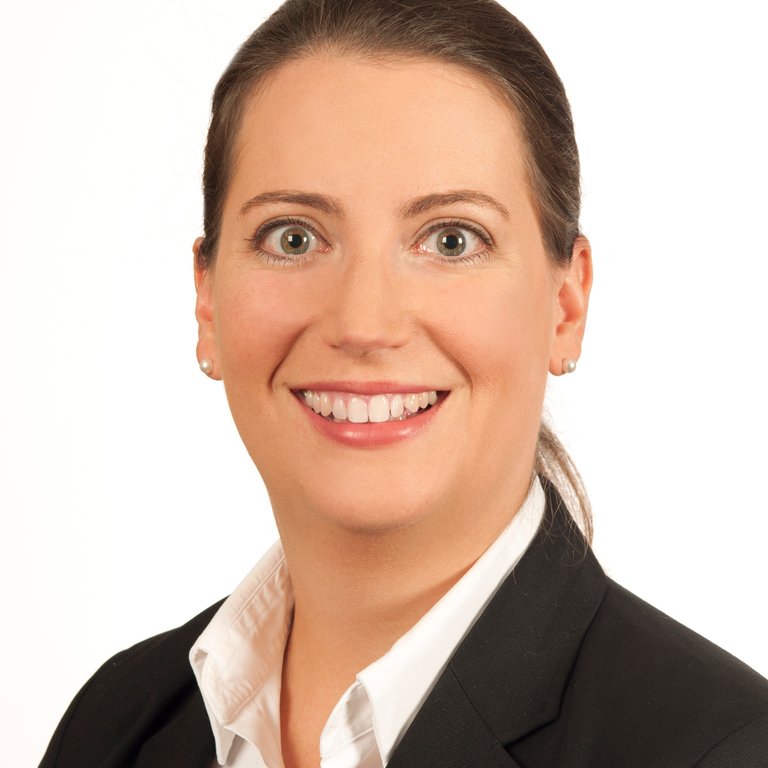
In light of an increasingly complex loss environment, insurance professionals are facing a convergence of legal, social, and economic challenges. Speaking to Insurance Business, Stefanie David, Chief Claims Officer Reinsurance North America at Munich Reinsurance America, Inc. (“Munich Re US”), reflected on 2025 as a year that tested disciplined risk management.
“(Re)Insurance operates in an increasingly dynamic and complex claims environment,” David explained. “We are seeing evolving legal theories, legislative reforms, and a risk landscape that is shaped by social, economic, and regulatory forces. All of those were at play in 2025 and will remain key factors in years to come.”
Exposing the costs of legal system abuse
According to David, legal system abuse remains one of the most significant drivers of rising claims costs.
“Aggressive strategies such as jury anchoring, third-party litigation funding, and expansive advertising campaigns have become commonplace,” David said. “As an industry, we must continue to raise awareness of the financial burdens that legal system abuse imposes.”
A collaboration between Munich Re US and the Insurance Information Institute (III) produced a consumer guide, revealing staggering costs — legal system abuse costs small businesses over $160bn annually and adds more than $6,000 in costs for the average American family of four each year.
Costs from legal system abuse
$160bn
Costs to small businesses annually
$6,000+
Costs for the average American family of four each year
Expanding risk classes and the potential rise of the “super-tort”
Another trend shaping the claims landscape is a push to broaden legal theories to address widespread harms — a phenomenon David calls the “super-tort.” Municipalities and/or government agencies are pursuing public nuisance legal theories to hold a variety of defendants liable for societal costs. Some litigation examples include opioids, plastics, climate change, ultra-processed foods, and social media. “Public nuisance legal claims are being tested in unprecedented ways,” David said. “Some courts have also shown willingness to apply negligence-like flexibility to public nuisance theories. Thus, while each case may individually seem like an outlier, collectively, they signal a potential shift that aims to redefine norms.”
David flagged litigation-backed science (also known as “junk science”) as another growing challenge, noting that advancements have allowed mass torts to evolve into scalable assets. “Science is a powerful tool, but when it is created solely to support litigation, it creates significant challenges — particularly for judges tasked with navigating complex scientific evidence.”
Likewise, David noted, “AI will significantly shape the landscape in many ways. While insurers are starting to leverage generative AI in their claims process, plaintiff attorneys are using the same capabilities to amplify the impact of their strategies, especially in the mass tort space.
Legislative and regulatory shifts increase uncertainty
David pointed to legislative reforms reopening and extending statutes of limitations — especially for abuse cases — as another risk factor that has increased unpredictability. As a consequence of these reforms, many defendants have filed for bankruptcy, which has added an additional layer of complexity for both policyholder defendants and insurance carriers impacting both current and legacy exposures.
Regulatory shifts at the federal and state level add to the complexity, with PFAS regulations exemplifying this trend. “The European Union (EU), for example, is considering a broad ban on PFAS chemicals. In the US, the landscape is fragmented, with states implementing different standards — creating heightened uncertainty.
“These complexities surrounding legislative and regulatory shifts is why close collaboration remains crucial, both internally and with our clients.”
On the property side, David described a similarly dynamic claims environment. “Property claims are increasingly influenced by shifting risk factors, too,” David noted. Material and labor cost inflation is driving significant increases in both construction expenses and insurance. Tariffs have raised the cost of raw materials and components. Supply chain disruptions and labor shortages are increasing costs, limiting skilled worker availability, and slowing catastrophe recovery timelines. These combined pressures are transforming industry practices and elevating claim payouts, repair costs, and overall risk management challenges.
David emphasized: “We work closely with clients to anticipate these trends and deploy agile claims strategies that help mitigate the financial impact.”
Looking ahead to 2026
To continue to progress, having exceptional talent in the right roles remains critical to success. That means enabling and maximizing our experienced talent while simultaneously developing and empowering a new generation of claims professionals.
According to David, rapid growth in new and emerging litigation trends — from hair-relaxer lawsuits and human trafficking to GLP-1 weight-loss claims — underscores the need for cross-functional collaboration.
She also highlighted Munich Re US’ investment in advanced analytics to identify and track new claim trends and partnering with our stakeholders to address those risks. “We are very client focused and leverage our global footprint to share insights and expertise and foster claims excellence. It is the combination of all these factors that sets us apart.”
This article was produced by Insurance Business America, in collaboration with Munich Re US.