Author: Dan Foster
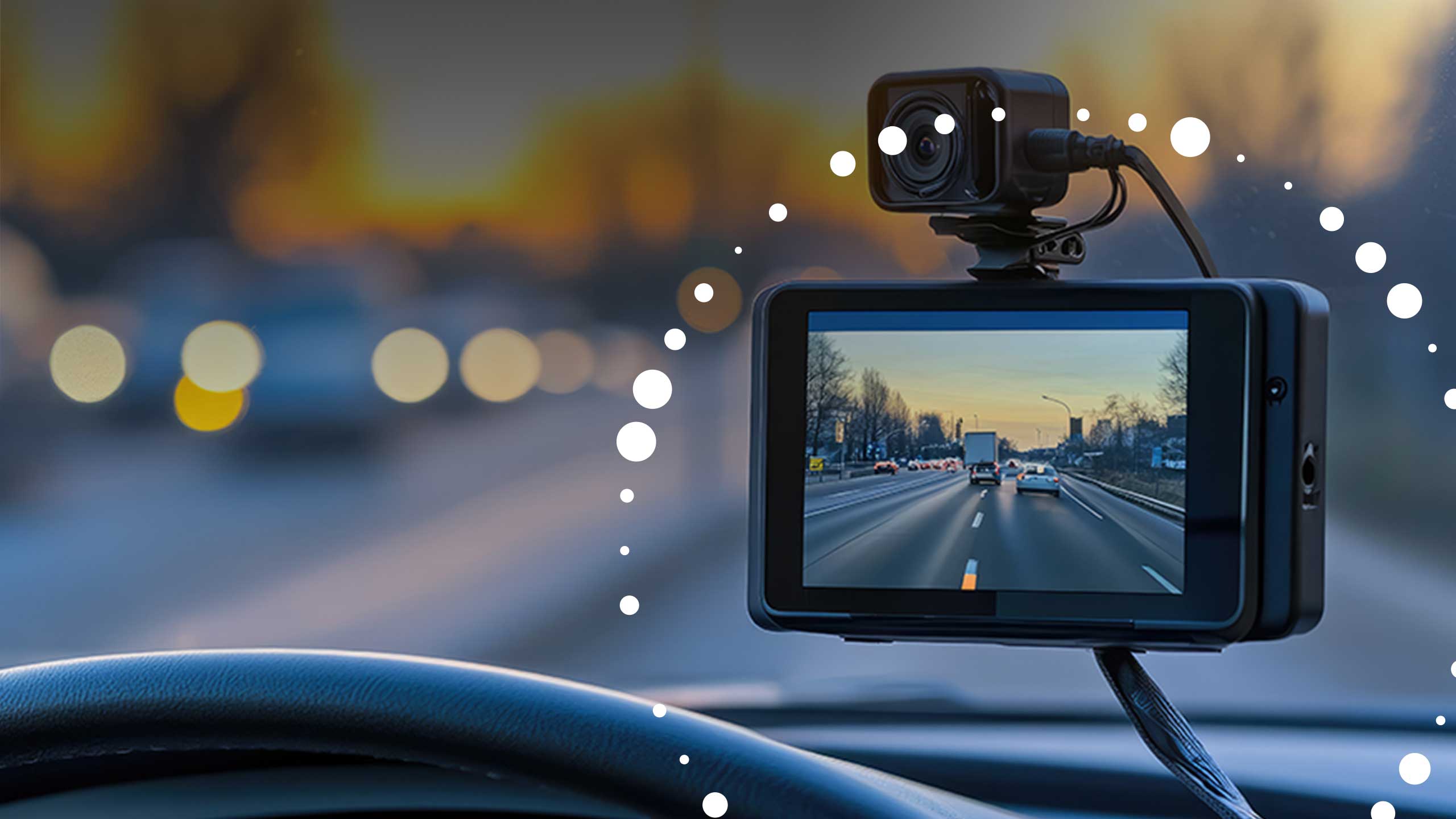
Commercial fleets bear a heavy burden from the weight of economic uncertainty, rising operational costs, and heightened litigation risks. In-cabin video technology — both outward-facing and driver-facing cameras — offers opportunities to reduce fleet expenses and improve on-the-road safety. To maximize the benefit of telematics and video technology, fleet owners need a holistic approach to managing driver risks.
Telematics continue to evolve, with significant numbers of fleets using tools such as GPS tracking, onboard diagnostics, and dashboard-mounted video cameras. Dashcams are useful in preventing accident claims, fighting insurance fraud, and establishing fault in auto liability claims, according to a February 2025 study by Bader Law. Bader’s analysis found dashcams helped to reduce fraudulent insurance claims by 15% to 25% or more around the nation.
In a 2024 survey on fleet technology trends, Verizon found 70% of respondents, of which the largest segment were fleet managers, considered in-cab video technology “extremely or very beneficial.” The respondents reported in-cab video helped them meet four goals:
77%
Improved protection from false claims
73%
Improved driver safety
48%
Reduced accident costs
44%
Reduced insurance costs
| Fleet size | Small 1 – 49 vehicles | Medium 50 – 499 vehicles | Enterprise 500+ vehicles |
|---|---|---|---|
| In-cab video (including front-facing and driver-facing cameras) | 31% | 52% | 33% |
| Source: Verizon Connect, 2024 Fleet Technology Trends Report | |||
Risk enters the picture
Dashcams, whether they are forward-facing, driver-facing, or have dual lenses that capture data from both angles, are not the only tools available to fleet owners to mitigate risk. Accidents remain a huge cost driver for fleets, and cameras are useful in documenting accidents. But there is much more to consider in fleet risk management.
By themselves, cameras will not lead directly to reduced insurance costs. Many factors can influence fleet risk profiles and several are outside owners’ control. Poor driving skills of others on the road, accidents involving uninsured or underinsured motorists, weather conditions, and plaintiff-friendly legal jurisdictions are just a few of those.
Instead, in-cab cameras should be viewed as just one component of a broader risk management program. Combining dashcams with proactive safety initiatives like route risk analysis, consistent driver coaching, and tracking long-term improvement helps reduce accident frequency and severity. These efforts not only enhance driver and public safety but also may lower insurance premiums and operating costs.
An effective recipe for successful fleet risk reduction has several ingredients. These include:
Driver training and coaching
Hiring properly vetted drivers is a fundamental task for all fleet owners and so is ongoing training to keep drivers’ skills sharp.
Regular maintenance
Telematics with vehicle diagnostics can automate scheduling of routine maintenance and alert fleet owners to mechanical issues that could keep a vehicle out of service.
Data-driven fleet management programs
Effective management programs don’t rely on guesswork. Fleet owners should use data to inform their decisions on drivers, routing, and other operations.
Verification of driver behavior with telematics and monitoring
The ability to verify what’s happening behind the wheel and on the road is helpful not only to reduce undesired outcomes but also to reward drivers for safe behavior.
Data-driven insights
Telematics and fleet monitoring systems can record a lot of data about drivers and vehicles, but the real benefit comes from putting that feedback to use in fleet operations. What will fleet owners do with all that data? Do they have staff with data skills to analyze and report the findings? Can fleet managers take those insights and work with drivers on a weekly or monthly basis to improve driving safety?
Events like hard braking, speeding, and lane changes often trigger alerts, but without video, it’s difficult to know what truly happened. In-cab video gives fleet managers and drivers the visibility to understand the circumstances around each event, reinforcing safe behaviors and identifying training opportunities without making incorrect assumptions.
Several insurance technology companies, including Streetscope, are conducting pilot programs with insurance companies such as Munich Re Specialty to analyze data from dashcams to understand drivers better. These programs can offer insights on how fleet owners can modify drivers’ behavior and improve safety.
While installing dashcams is technically straightforward, the real challenge lies in integrating video monitoring into daily operations without disrupting fleet uptime. It typically takes three to six months to staff, train, and align monitoring with existing safety protocols, making early planning essential to maintaining operations while enhancing safety oversight.
In-cab video, both front- and driver-facing, support a culture of safety and accountability. Historical data shows that fleets committed to safety improvement benefit most, reducing claims, improving driver performance, and creating safer roadways for everyone.
This article was produced by Fleet Owner, in collaboration with Munich Re Specialty – North America.Downloads
Experts