For many organizations, terrorism and political violence (TPV) has quietly become a balance‑sheet and continuity risk, no longer just a security concern. Once widely viewed as low-frequency, severity-driven events, these risks are increasingly shaped by persistent geopolitical tension, domestic polarization, and economic pressure. Threats are increasingly widespread, sometimes low‑tech, and capable of producing outsized disruption — especially in dense urban environments and around critical operational infrastructure. According to their 2025 Annual Report, the Department of Homeland Security expects the US terrorism threat environment to remain high, with lone offenders and small groups posing the most acute risk [dhs.gov].
This outlook focuses on what the current and future environment means for insureds and insurers, including where exposure is accumulating, how losses are likely to manifest, and how underwriting is adapting to a threat landscape that is persistent rather than episodic.
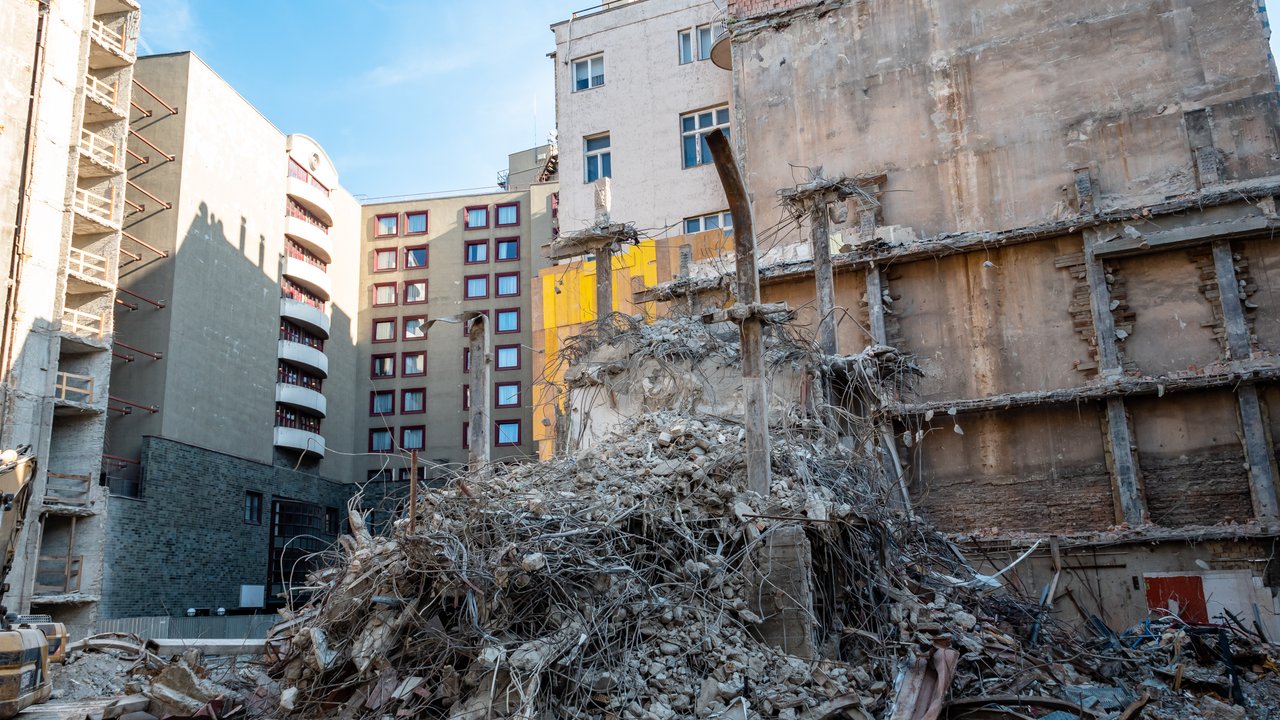
From isolated events to a persistent risk environment
Global terrorism trends over the past several years have highlighted a shift away from centrally organized, mass-casualty attacks toward a broader spectrum of politically motivated violence. Lone actors, loosely affiliated networks, and ideologically driven individuals continue to dominate incident counts, particularly in developed markets. At the same time, civil unrest, strikes, riots, and politically charged demonstrations, often catalyzed by economic stress, social inequality, or electoral outcomes, have become more frequent and more disruptive.
These developments challenge traditional assumptions about where and how terrorism and political violence manifest. Risk is no longer confined to iconic landmarks or geopolitical flashpoints. Instead, it increasingly affects:
Key drivers shaping the 2026 outlook
Several structural forces are expected to influence terrorism and political violence risk through 2026 and beyond.
- Geopolitical fragmentation and proxy conflict
Heightened geopolitical rivalry continues to drive instability across multiple regions. Conflicts involving state and non-state actors increasingly have global spillover effects, influencing threat levels beyond their immediate geographies. Supply chains, overseas assets, and multinational operations remain particularly exposed to indirect impacts such as civil unrest, sabotage, or politically motivated attacks.
- Domestic polarization and political volatility
In many countries, political polarization has intensified. Election cycles, policy shifts, and social movements have become flashpoints for unrest, occasionally escalating into violence or sustained disruption. These dynamics are especially relevant for businesses with high public visibility, symbolic profiles, or locations in dense urban centers.
- Economic pressure and social stress
Inflation, cost-of-living pressures, and uneven economic recovery continue to strain societies. Historically, periods of economic stress correlate with increased protest activity and civil disorder. When unrest escalates, there is elevated potential for insurable loss events such as property damage, business interruption, and denial of access.
- Technology and the democratization of capability
Access to information, funding mechanisms, and basic tools has lowered barriers to entry for individuals seeking to carry out acts of violence. At the same time, misinformation and online radicalization can accelerate mobilization and amplify impact. From a risk perspective, this contributes to unpredictability rather than scale-driven severity.
When traditional risk frameworks fall short
One of the persistent challenges in terrorism and political violence risk management is misalignment between perceived and actual exposure. Many organizations continue to rely on traditional property coverages or government-backed terrorism programs without fully evaluating how those structures respond to today’s threat environment.
Key gaps often include:
- Trigger uncertainty, particularly where government certification or narrow definitions apply
- Coverage limitations for non-damage business interruption, denial of access, or loss of attraction
- Geographic constraints, especially for international operations or assets outside core markets
- Inflexibility when exposures evolve mid-policy term due to changes in use, occupancy, or public profile
As terrorism and political violence risks become more diffuse and less predictable, these gaps can materially affect an organization’s total cost of risk.
How underwriting is adapting to a new paradigm
The evolving risk landscape has prompted underwriters to reassess how terrorism and political violence exposures are evaluated, priced, and structured.
A more granular view of risk
Rather than relying solely on country-level or city-level threat indicators, underwriting increasingly focuses on asset-specific characteristics: location context, foot traffic patterns, tenant mix, symbolic relevance, and operational resilience. This enables more accurate differentiation between risks that may appear similar on the surface.
Expanded peril and coverage considerations
Modern terrorism and political violence solutions are designed to address a wider spectrum of perils, including civil commotion, malicious damage, active assailant incidents, and politically motivated violence that may not meet traditional terrorism thresholds. Flexibility in coverage triggers is a critical component of this approach.
Longer-term perspective
In an environment defined by volatility rather than isolated shocks, continuity matters. Insureds increasingly value stability of terms, capacity, and appetite over multiple years, especially for multi-year construction projects, infrastructure assets, and complex real estate portfolios.
Integration with broader risk management
Terrorism and political violence insurance is most effective when aligned with broader risk management strategies, including security planning, crisis response, and business continuity frameworks. Underwriters and risk managers are collaborating more closely to ensure coverage structures reflect real-world loss scenarios.
Risk management strategies
Security planning
Crisis response plan
Business continuity framework
Implications for risk managers and brokers
For brokers and risk managers, the 2026 outlook reinforces the importance of proactive engagement. Terrorism and political violence should not be treated as a static or purely compliance-driven consideration. Instead, it warrants periodic reassessment as part of annual risk reviews, portfolio analysis, and client conversations.
Key questions to revisit include:
- How has our exposure profile changed over the past 12–24 months?
- Where might traditional property or government-backed mechanisms fall short?
- Are coverage triggers and limits aligned with realistic loss scenarios?
- How does terrorism and political violence risk interact with other emerging risks, such as cyber, supply chain disruption, or reputational harm?
Addressing these questions early — rather than in the aftermath of an event — supports more resilient outcomes.
Looking ahead
The terrorism and political violence risk environment entering 2026 is unlikely to simplify. It is prudent to expect risk to continue to reflect broader global uncertainty, shaped by geopolitical tension, social change, and economic pressure. While the nature of attacks and unrest may evolve, the underlying reality remains clear: Terrorism and political violence have become enduring features of the risk landscape.
For the insurance market, this underscores the value of specific risk expertise, disciplined underwriting, and long-term partnership. By combining informed risk assessment with flexible, transparent solutions, insurers and brokers can help clients navigate uncertainty with greater confidence.
Learn more about our Terrorism & Political Violence insurance solutions, now with limits up to $500m per insured.
Downloads
Our expert