Trend 1: Energy storage
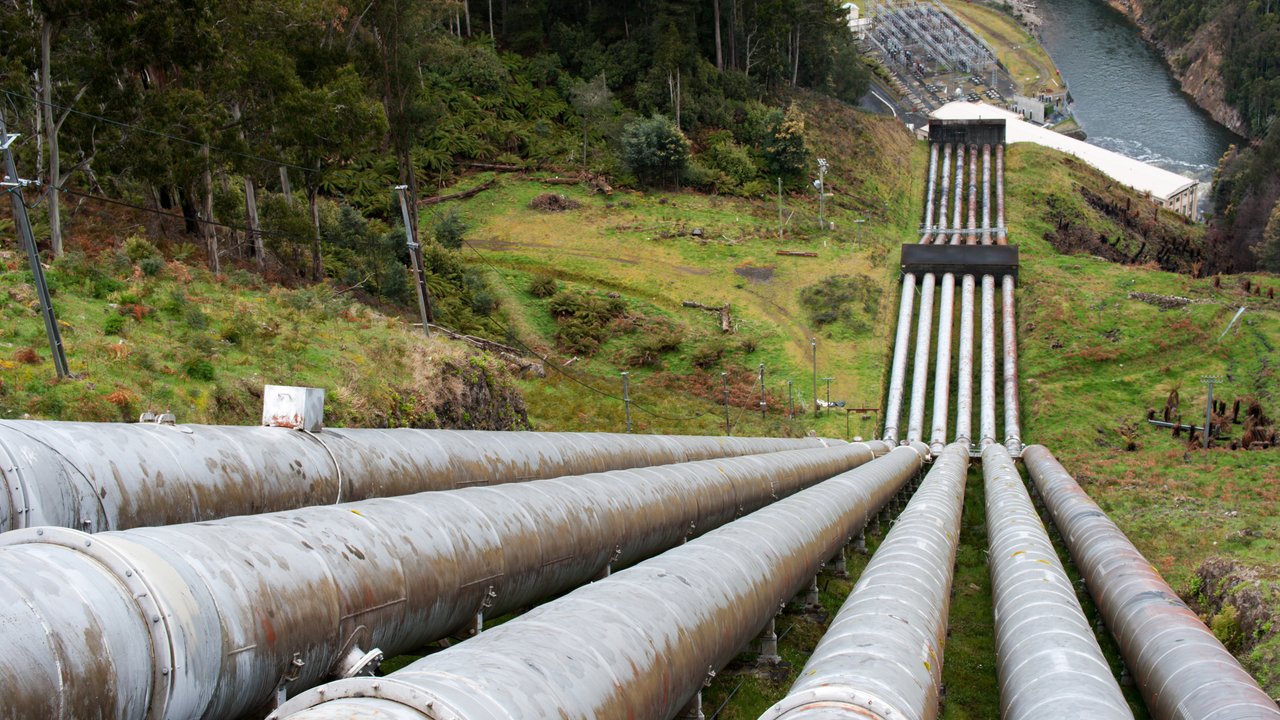
Energy storage, particularly Lithium-Based Battery Energy Storage Systems (BESS), is an area of concern due to the risk of fire and property damage. However, newer battery designs and alternative energy storage methods, such as pumped storage hydro and thermal storage, are emerging as promising solutions.
Pumped storage hydro is a type of hydroelectric power plant that stores energy by pumping water from a lower reservoir to an upper reservoir during off-peak hours. This stored energy can then be released to generate electricity during peak hours, providing a reliable and efficient source of power.
Thermal storage is the process of storing thermal energy either in the form of heat or cold, for later use.
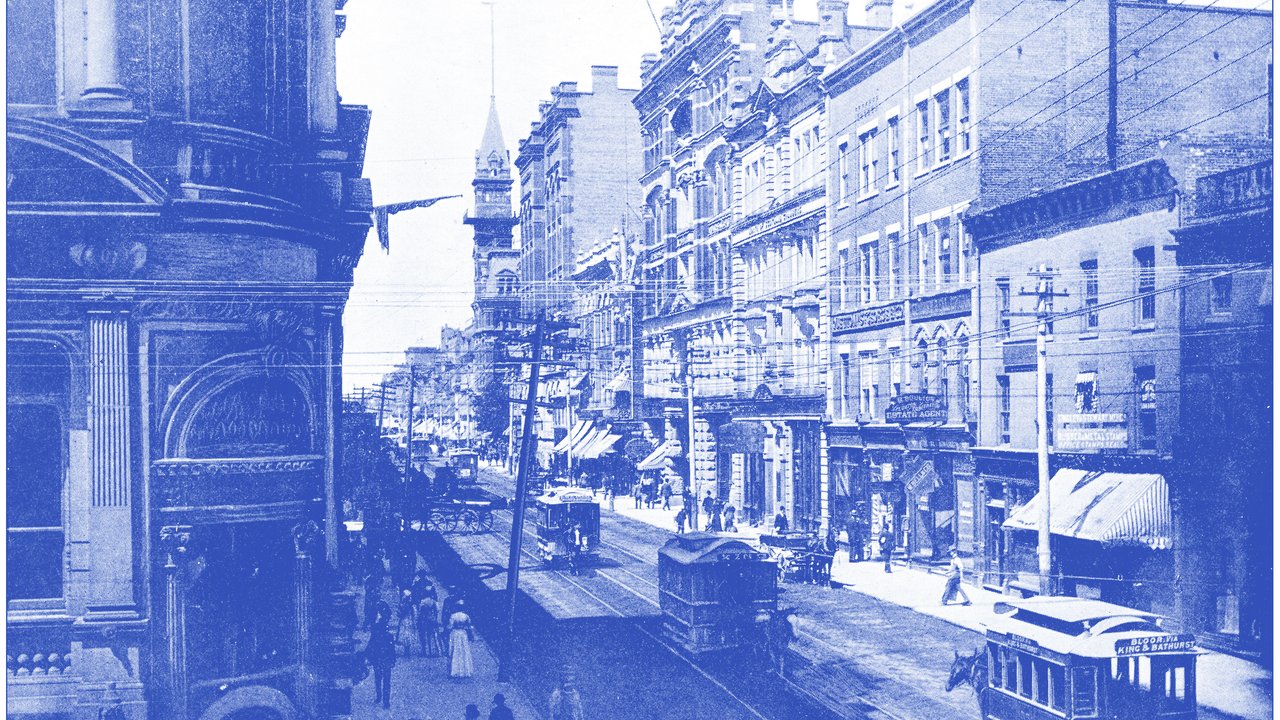
An example is a new thermal energy storage facility underneath a Toronto building complex called The Well, consisting of a 2 million gallon tank (the equivalent of three Olympic-sized swimming pools). The tank stores temperature-controlled water fed by Enwave’s Deep Lake Water Cooling system and a high-efficiency hot water loop. The installation serves the building complex as well as neighbouring areas, providing low-carbon, resilient cooling and heating.
Trend 2: AI-powered predictive maintenance
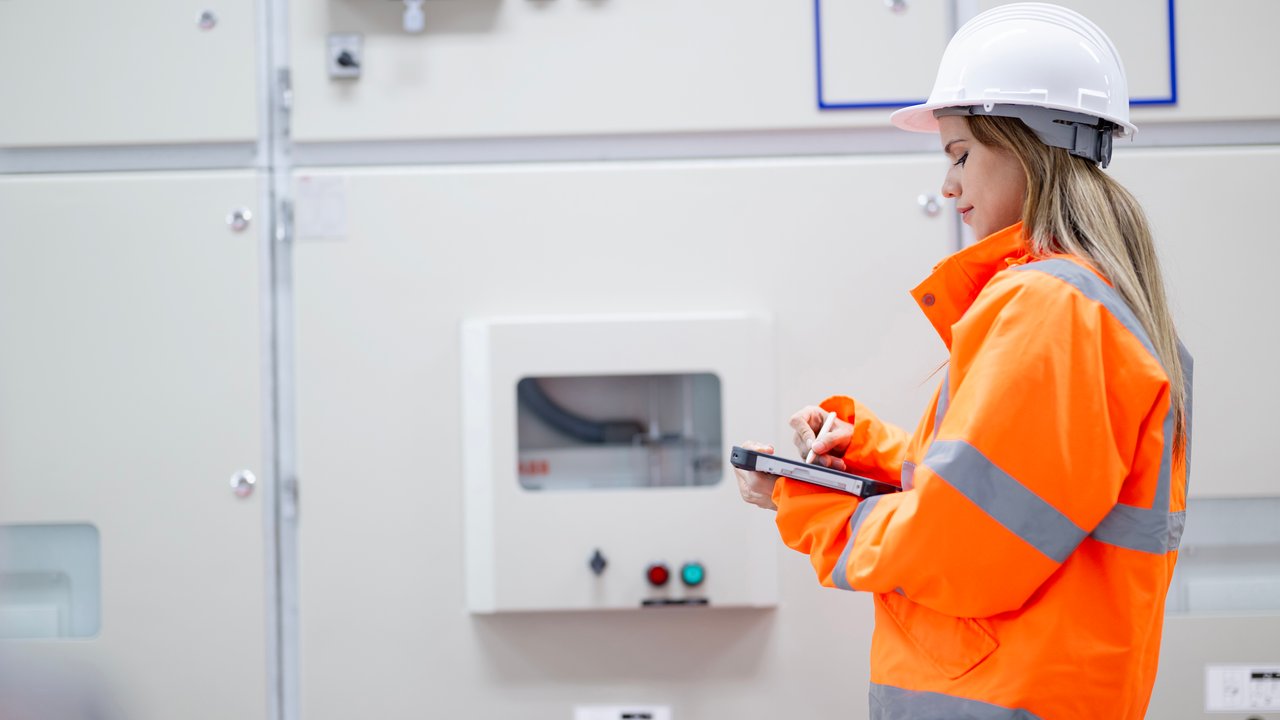
AI-powered predictive maintenance uses artificial intelligence (AI) and machine learning algorithms to predict when equipment is likely to fail or require maintenance. This approach enables organizations to take proactive measures to prevent equipment breakdowns, reduce downtime, and optimize maintenance schedules.
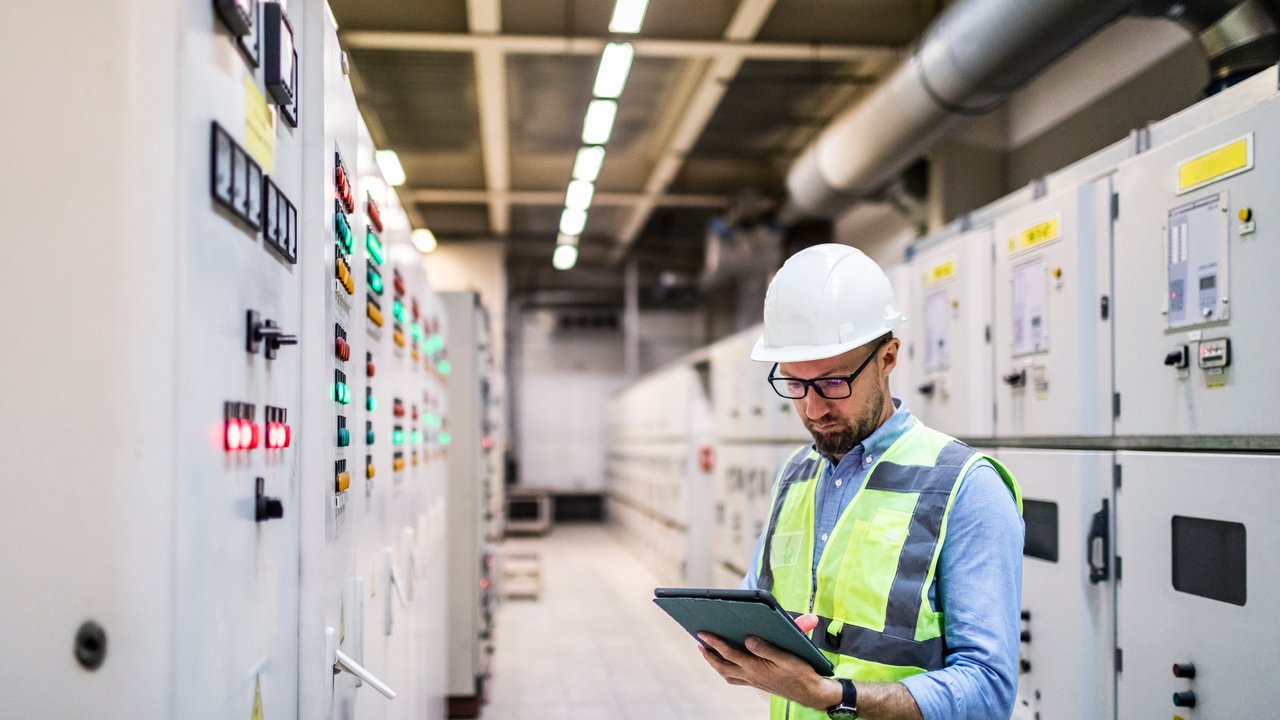
Traditional maintenance methods rely on scheduled maintenance, where equipment is serviced at fixed intervals, regardless of its actual condition. In contrast, AI-powered predictive maintenance uses real-time data from various sources, such as sensors and IoT devices, equipment logs and performance metrics, maintenance records and operational data. The AI system can identify potential issues before they occur, allowing maintenance teams to take corrective action and prevent unexpected downtime.
The benefits of AI-powered predictive maintenance include:
- Reduced equipment downtime and increased overall equipment effectiveness
- Improved maintenance scheduling and resource allocation
- Extended equipment lifespan and reduced maintenance costs
- Enhanced safety and reduced risk of accidents
- Improved supply chain and inventory management
Trend 3: Smart connectivity and IoT
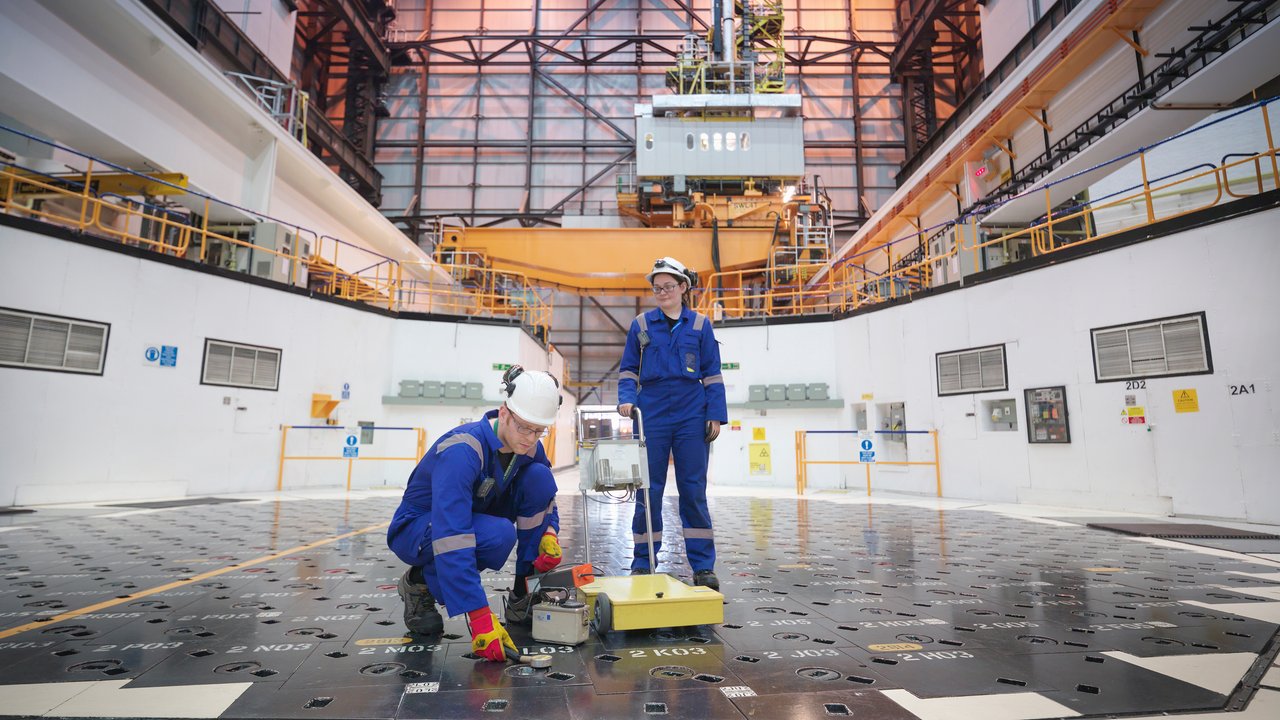
Smart connectivity and IoT refer to the integration of physical devices, vehicles, buildings, and other items with sensors, software, and connectivity technologies to collect and exchange data. This enables these devices to become “smart” and interact with other devices, systems, and humans in real time.
In the context of equipment breakdown and maintenance, smart connectivity and IoT help to:
- Monitor equipment performance and detect anomalies
- Predict potential failures and schedule maintenance
- Trigger automated maintenance tasks
- Inform decision-making to optimize equipment performance and reduce energy consumption
Stay ahead of the trends
To mitigate the risks associated with these trends, businesses need to continuously invest in employee training and knowledge as well as close coverage gaps to protect against costly equipment failures.
At HSB, our mission is to bring technical expertise to help our clients stay ahead of complex, emerging, and technology-based risks.