
Webinar
Preventing sexual abuse and misconduct in healthcare settings
properties.trackTitle
properties.trackSubtitle
Allegations of sexual abuse within an organizational setting are all too familiar. National trends and an ever-growing chorus for change continue to push organizations to implement prevention measures and raise the bar on safety expectations and better define professional boundaries with patients. And for the first time, survivors have more opportunities to speak up, seek civil and criminal recourse, and pursue a path toward healing.
Abuse risk is not emerging or new, but the increased financial and reputational impacts are hitting harder than ever before and require a sharpening of risk management skills to understand the scope of the risk coupled with the ability to implement and articulate mitigation measures. And because the true extent of sexual abuse by healthcare professionals remains unclear, now more than ever is the time to create comfort around this conversation.
This session will review proactive measures that healthcare systems, providers, and organizations can take to protect patients from any form of sexual abuse or exploitation and help safeguard healthcare providers from allegations of abuse. This includes a culture of safety that supports awareness and training for healthcare staff, specific reporting expectations, and effective interventions and management of signs of potential issues and reports of abuse.
Takeaways include references and resources they can use to assess and improve sexual abuse prevention programs in their organizations.
About the moderator
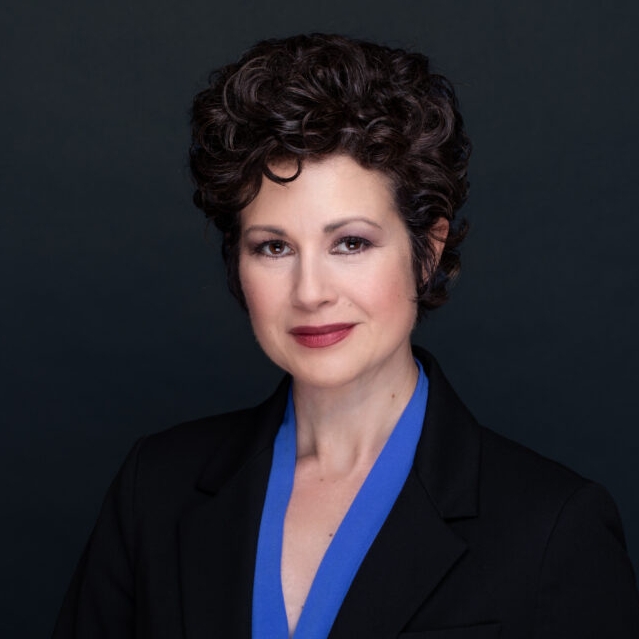
Kathy Shostek is a healthcare loss control expert for Munich Re Specialty. With over 25 years of experience, she is an industry-recognized healthcare professional specializing in risk-reduction techniques and innovative approaches to improve patient safety and reduce liability risks.
Kathy’s extensive experience includes leadership at the acute care level and a corporate multispecialty physician group practice. She has worked with national risk and safety consultancies and healthcare liability insurance companies, assisting health systems, hospitals, aging services, and physician practices in implementing risk management strategies and patient safety programs. Kathy is a past clinical risk consultant and developer for ECRI’s Healthcare Risk, Quality, and Safety Guidance System and publications, including Physician Office Fundamentals and Critical Care Safety Essentials.
She co-authored a chapter in ASHRM’s Risk Management Handbook for Healthcare Organizations, 5th edition. Kathy is a past board member of ASHRM, section lead for ASHRM’s Patient Safety Playbook, past chair and member of ASHRM’s Patient Safety Task Force, and section lead for the FMEA Playbook. ASHRM awarded Kathy the Distinguished Service Award in 2018 for her career contributions to healthcare risk management and patient safety.
About the guest
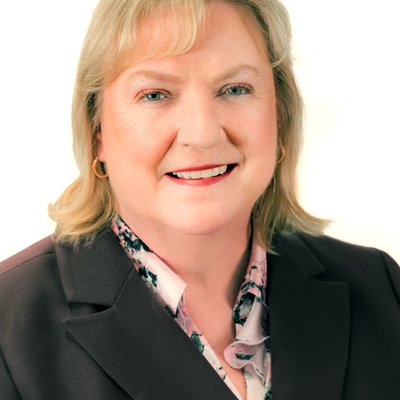
Candace D. Collins, JD, is the senior director of strategic alliances at praesidium. For 12 years, Candace has supported Praesidium’s client growth across industries and builds relationships with insurance partners, foundations, and relevant associations. Candace has worked with clients across the globe in the UK, Australia, and other countries. As senior director of strategic alliances, she works with multiple clients to build organizational prevention strategies while also supporting Praesidium’s crisis response work. Prior to joining Praesidium, Candace served as an assistant attorney general for the State of Texas. In this position, she focused on consumer and elder protection prosecuting abuse and neglect in group homes and long-term care facilities. Additionally, she has over ten years of experience working in the insurance coverage and defense field. Candace holds a bachelor’s degree in business management and a Juris Doctorate.
Praesidium is a leader in abuse risk management, and for more than 30 years, has worked globally with thousands of organizations across industries to help them assess, prevent, and respond to sexual abuse of children, young people, and vulnerable adults. Since 1991, Praesidium’s mission has been “to help you protect those in your care from abuse and to help preserve trust in your organization.”