HSB Professional Loss Control
Who we are
- Property Loss Control Engineering Surveys
- Business interruption analysis
- Review fire protection equipment inspection and testing programs
- Detailed loss control reports using either standard HSB PLC format or client-specific format
- Water supply adequacy and reliability analysis
- Sprinkler system analysis
- Loss estimate evaluations (MFL/PML/NLE)
- New project consultation
- Fire protection system plan review
- Fire protection system impairment control and tracking
- Witnessing of fire protection equipment tests and acceptance tests
- Recommendation tracking
- Account engineering
Depth and breadth of experience is what sets us apart. Our consultants have vast knowledge in the highly specialized fields of loss control and fire protection. HSB PLC is involved in the development of national standards that are consistently used for property loss control and has the engineering expertise you need to manage your unique property loss control risks. We have served as leaders and members of major NFPA technical committees, and our active participation gives us insight to create solutions that meet the intent of the standards, while preserving risk management and capital budgets.
Our loss control experts are as adept at providing solutions as they are at pinpointing problems. They don’t simply go through a checklist. HSB Professional Loss Control offers a working relationship that gives us in-depth insight into the unique character of your operation. The result is a customer-focused solution that makes the most sense for your business.
Industries served
HSB Professional Loss Control (HSB PLC) is the foremost consulting resource for industrial property loss control and fire protection engineering services. Our business focuses on reducing the likelihood and severity of property losses in industries around the world. For more than four decades, HSB PLC has been a leader in effectively applying engineering principles to reduce loss potential. We are staffed by widely recognized experts in the development of NFPA standards for industrial loss control in a wide variety of industrial processes and occupancies. Some of the major industries we serve include:
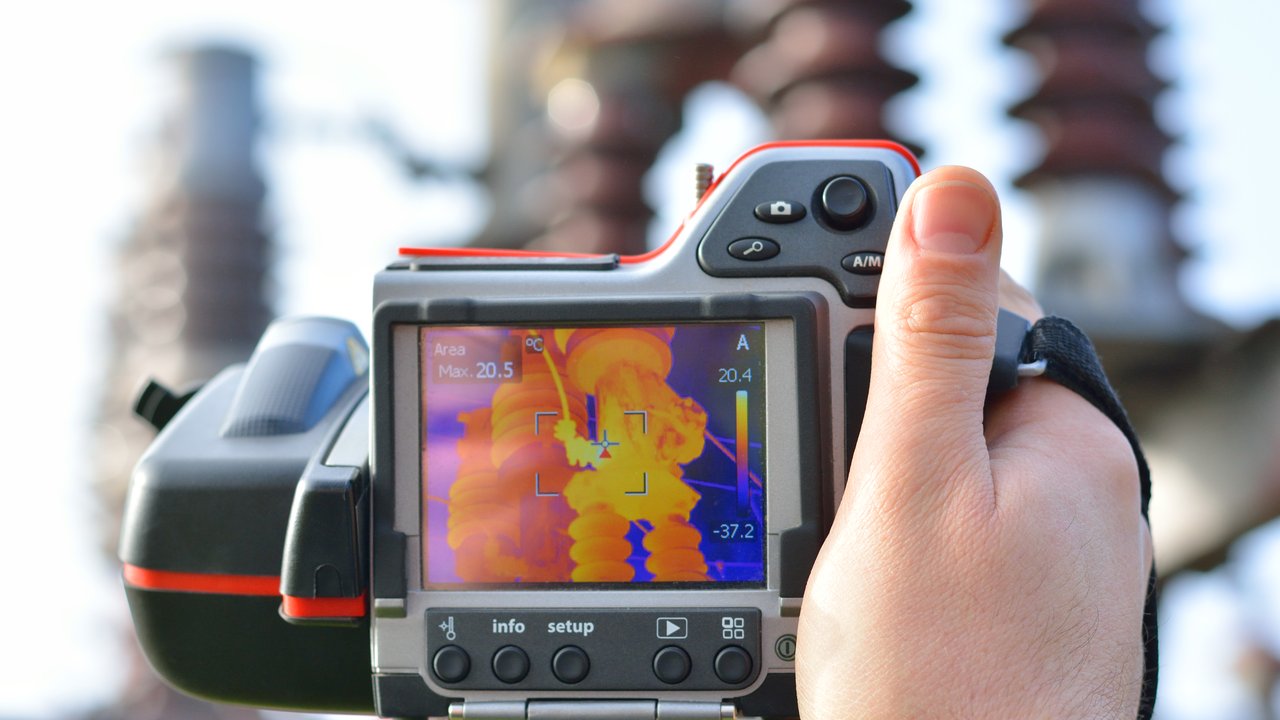
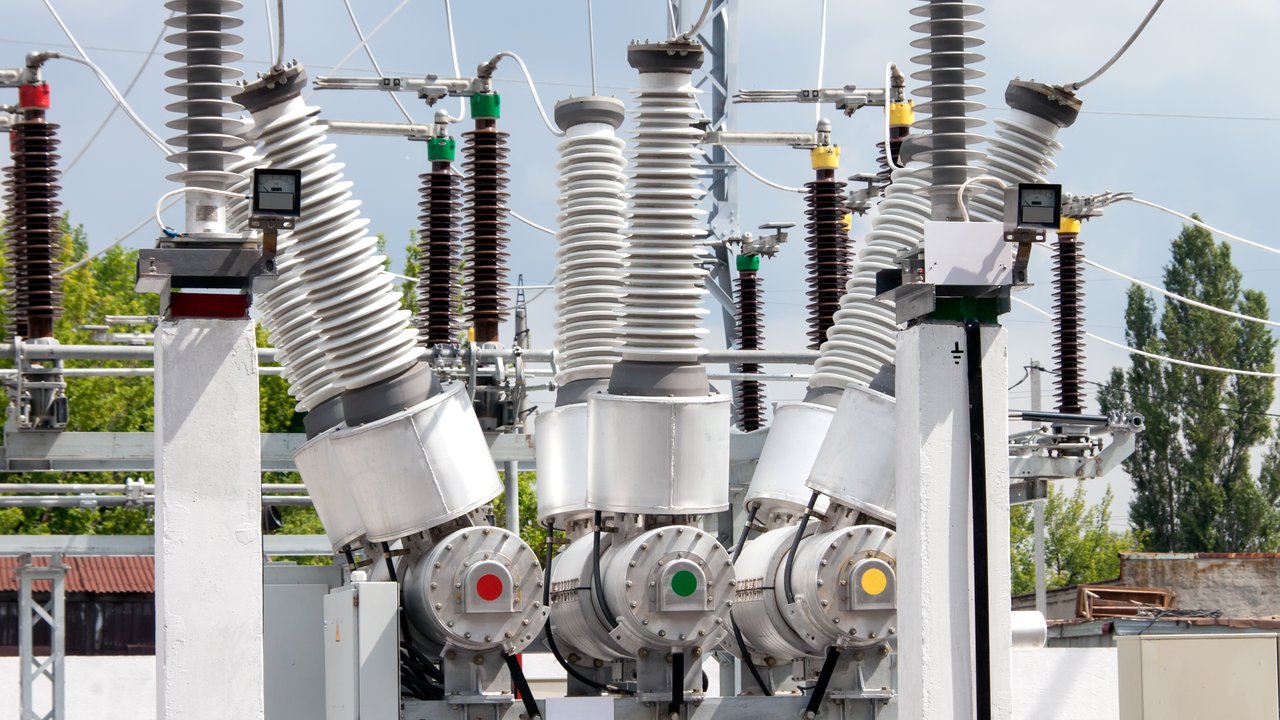
Power generation
Includes fossil, hydro, fuel cell, wind, and solar power generation. HSB PLC offers training on fire protection for power generation occupancies.
Heavy industry
A broad category that includes large equipment manufacturing, steel mills, aluminum mills, foundries, forges, automotive and aviation, mining, and similar operations with special loss exposures.
Chemical, oil and gas
Includes specialty chemical, petrochemical, LNG, petroleum refining, and similar operations with high hazard exposures.
High-tech sector
Includes semiconductors, electronics, data centers, biotechnology, and other related industries.
Pulp and paper
Includes integrated pulp and paper mills, paper converters, packaging, printing operations, and similar operations.
Commercial and municipal
Includes office buildings, hospitals, retail stores, city halls, police and fire stations, schools, wastewater treatment, and other related occupancies.
Telecommunications
Includes central offices, switches, call centers, and similar facilities with highly concentrated values and high business interruption exposures for telecommunication and internet-related operations.
Textiles
Includes textile mills, carpet mills, clothing manufacturers, warehousing, and distribution.
Warehousing
Includes rack storage and bulk storage in warehouses and distribution centers.
Food
Includes food processing, refrigeration and storage, bakeries, breweries, bottling, canning, and similar operations.
NFPA participation
We are working hard to advance fire safety and loss prevention by taking an active role in national standards organizations. That is in everyone’s best interests.
Depth and breadth of experience is what sets HSB Professional Loss Control (HSB PLC) apart. Our consultants’ vast knowledge in the highly specialized fields of loss control and fire protection does more than meet our clients’ needs.
We also apply our insight for the benefit of all; many of our professionals have been leaders in major NFPA committees. They have been actively involved in the development of national fire safety standards, having contributed to dozens of the current standards. It is this level of expertise that gives HSB PLC a true engineering perspective on the property loss challenges you face.
Through its leadership and participation in standards development, HSB Professional Loss Control gains unique insights to more effectively apply the underlying principles of the standards to your benefit. Among the standards and guides that HSB PLC contributed to the development of are:
- NFPA 13 Installation of Sprinkler Systems
- NFPA 15 Water Spray Fixed Systems
- NFPA 20 Stationary Pumps for Fire Protection
- NFPA 24 Installation of Private Fire Service Mains
- NFPA 30 Flammable and Combustible Liquids Code
- NFPA 40 Cellulose Nitrate Film
- NFPA 42 Pyroxylin Plastic
- NFPA 59A Liquefied Natural Gas
- NFPA 75 Fire Protection of Information Technology Equipment
- NFPA 76 Telecommunications Facilities
- NFPA 80 Fire Doors and Windows
- NFPA 91 Exhaust Systems
- NFPA 101 Life Safety Code
- NFPA 105 Smoke Control Door Assemblies
- NFPA 430 Liquid and Solid Oxidizers
- NFPA 432 Organic Peroxides
- NFPA 434 Pesticides
- NFPA 490 Ammonium Nitrate
- NFPA 654 Dust Explosions
- NFPA 660 Combustible Dust
- NFPA 801 Facilities Handling Radioactive Materials
- NFPA 804 Advanced Light Water Reactor Electric Generating Plants
- NFPA 805 Performance-Based Fire Protection for LWR Generating Plants
- NFPA 850 Electric Generating Plants
- NFPA 851 Hydroelectric Generating Plants
- NFPA 853 Stationary Fuel Cell Power Plants
- NFPA 855 Stationary Energy Storage Systems
- NFPA 1620 Pre-Incident Planning
- NFPA 5000 Building Construction and Safety Code
Expertise from the people who know
Today’s global businesses demand global solutions. HSB Professional Loss Control is part of the Munich Re family. That gives us access to deep global support and technical insight from a world leader in risk management.
Our geographically distributed staff of experienced professionals with solid HPR backgrounds have the credibility, flexibility, and specialized expertise to provide outstanding solutions in property loss control. We have designed our organization to address your specific needs — to be on location where and when you need us. HSB PLC can offer you the same standards of quality and customization the world over. What sets HSB PLC apart from other loss control providers is our customer focus. We have a structured quality management system that includes the assignment of a Project Manager (Account Engineer) to coordinate requested services for each client, review reports and correspondence, and serve as the single point of contact.
Quality Management Program
Loss control is one area where mistakes can be more than just costly. They can mean the survival of your business — and even put people at risk. There is no room for error.
HSB Professional Loss Control (HSB PLC) knows the value of professionalism and expertise. We extend it to all parts of our client relationships, including the critically important area of accountability.
To give you and your stakeholders the peace of mind and confidence you look for in a risk management partner, we offer a rigorous Quality Management Program (QMP). It clearly specifies and documents the services we provide to you, laid out in a timely, accurate report tailored to your specific needs. The end result: clearly defined expectations and no misunderstandings.
How the program works
The Quality Management Program is governed by a proven process of internal reviews. This ensures that no report is delivered before it is thoroughly vetted.
First, an HSB PLC Project Manager reviews your requirements with you. Based on your needs, the Project Manager develops a service plan that addresses the scope you’ve defined. We review that service plan with you and confirm that it matches the scope. The Project Manager communicates with you frequently to ensure that deliverables do not deviate from the service plan you’ve approved. A highly qualified team of HSB PLC professionals is assembled to serve your account and the Project Manager orients them to your service plan.
For the duration of the project, the Project Manager actively monitors:
- Work status (sets milestones for task completion)
- Cost (ensures adherence to the project budget)
- Change (adjustments to the service plan, team, etc.)
Throughout the QMP process, your Client Service Coordinator tracks work status using our proprietary account management information tool. We can also arrange regularly scheduled status reports for you and even provide you with location-specific status and assignment information.
Our Consultants conduct scheduled surveys and prepare reports (formatted to your specifications, per the service plan) to document their findings. Reports are reviewed for technical content by the Project Manager and Client Service Coordinator to ensure that all elements of the service plan have been addressed.
Review criteria include:
- Consistency (loss expectancy and recommendations for similar hazards)
- Completeness (narratives, calculations, test results, etc.)
- Accuracy (appropriate standards applied correctly)
- Problems (the Project Manager notifies you immediately if a large loss potential, major fire system impairments, improperly closed valves, or other serious problems are found)
Once the review has been completed, the Project Manager documents his or her review and provides it to the Consultant that prepared the report. Reviews are used to support our continuous improvement process. Periodic process audits are also conducted to ensure quality.
Once the Consultant has made any necessary corrections (as confirmed by a follow-up review), the report is delivered to you using your preferred delivery method. Completed reports are stored by HSB PLC for a minimum of three years or as per your requirements.
Published contributions
Chapters in the NFPA Fire Protection Handbook, 19th edition
Fire Loss Prevention and Emergency Organizations
Thomas F. Barry, P.E., Professional Loss Control, and Larry Watrous, P.E., Mustang Engineering, Inc.
Many corporations recognize the threats related to fire loss and the need to establish fire loss prevention and emergency response organizations.
Occupancies in Special Structures and High-Rise Buildings
Wayne Holmes, P.E., Professional Loss Control
A brief overview of issues and fire protection features of special structures/high-rise buildings and traditional occupancies in special or unusual structures.
Special Structures
Wayne Holmes, P.E., Professional Loss Control
Special structures designed for specific purposes and often unique uses present unusual fire protection design problems.
Nuclear Facilities
Wayne Holmes, P.E., Professional Loss Control
Describes the unique fire protection needs and solutions for nuclear power plants, nuclear research and production reactors, and other facilities handling nuclear materials.
Chapters in the NFPA Building Construction and Safety Code Handbook
Chapter 28, Industrial Occupancies
Chapter 29, Storage Occupancies
Chapter 30, Occupancies in Special Structures
Wayne Holmes, P.E., Professional Loss Control
Chapter in the NFPA Fire and Life Safety Inspection Manual, 8th edition
Radioactive Materials
Wayne Holmes, P.E., Professional Loss Control
Proceedings of the National Fire Protection Research Foundation Fire Risk and Hazard Symposium
Fire Protection Engineering Quantitative Risk Assessment
Thomas F. Barry, P.E., and Wayne Holmes, P.E., Professional Loss Control
Presents a systematic approach to evaluating fire-risk-reduction design. The methodology focuses on design objectives while optimizing risk-reduction investment in plant equipment and protection. This provides a risk-based cost-benefit-analysis method for decision making.
Presentation at the Edison Electric Institute Fire Protection Sub-Committee meeting, Clearwater, FL
LNG Fire Protection Requirements ‒ DOT and NFPA 59A
Jay J. Jablonski, Vice President, Professional Loss Controltrol
Let us evaluate your needs
Further Professional Loss Control information
How can HSB help you?
Connect with our experts now
Contact us