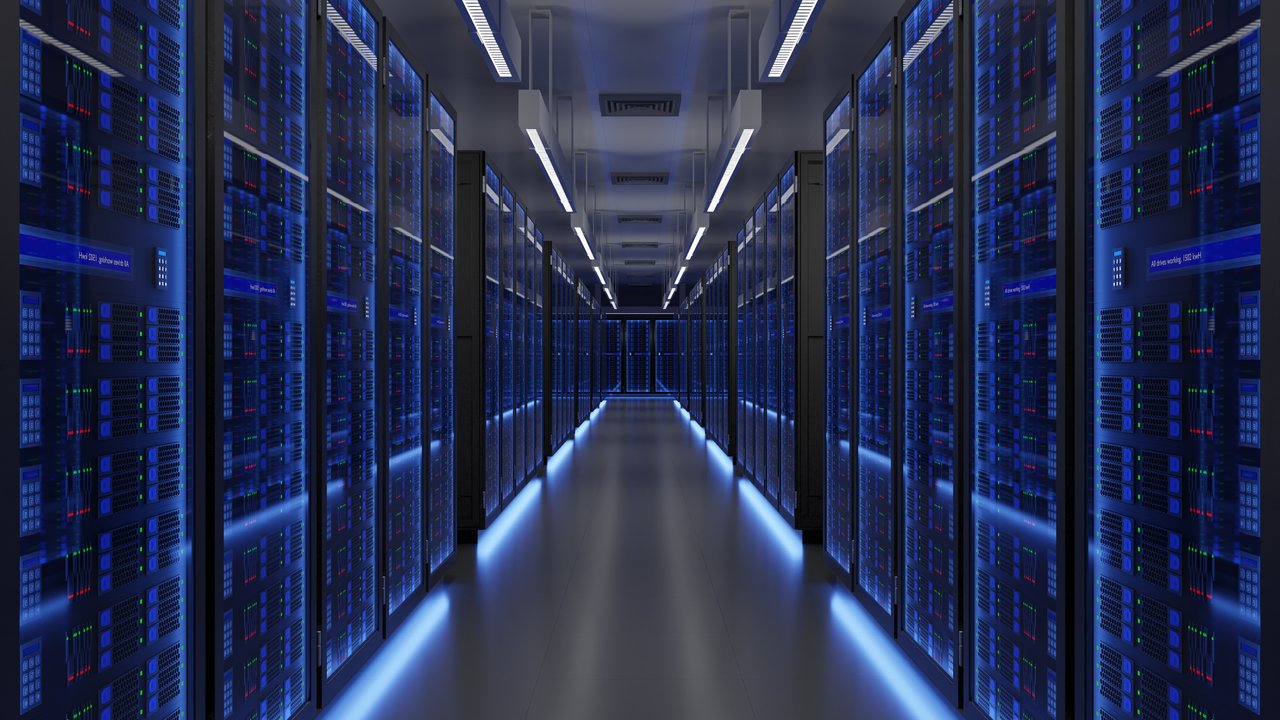
Data center risk

Understanding the full exposure

    mrwebsites.corporate.textToSpeech.trackImageAlt

    properties.trackTitle

    properties.trackSubtitle

    0:00
    0:00
    Data center construction is a booming industry, driven by seemingly insatiable demand for critical infrastructure to support AI, cloud computing, and the broader digital economy. These are complex, interconnected projects — increasing substantially in scale — that carry unique, high-exposure risks that can be difficult to understand, allocate, and manage.
    Digitalization and AI are ushering in one of the largest infrastructure investment cycles in modern history, with global investment requirements ranging from $6 trillion to $7 trillion by 2030. Data centers used to be commercial buildings. Now they are industrial-scale infrastructure projects with a range of involved key players.

    70%

    Primary growth driver

    Artificial intelligence (AI) now serves as the fundamental engine for industry growth, fueling the vast majority of data center builds.

    120GW

    Massive energy demand

    Global infrastructure must more than double current capacity by 2030 to keep pace with the surging needs of AI processing.

    $6.7t

    Unprecedented capital investment

    Total infrastructure spending is forecast to reach trillions as enterprises race to fund the future of compute resources.

    Munich Re has the trusted expertise to advise parties on exposures and solutions across the entire project life cycle

    From port to operations

    Data center components and building materials travel long distances — domestically and internationally — before they reach the job site. Damage or delay anywhere along the journey can shift the entire project timeline. Beyond replacing or remanufacturing lost and damaged goods, additional costs like air-freighting replacement components or expediting production to maintain the schedule can compound quickly.

    Scale and complexity

    Hyperscale data center campuses can span hundreds of acres and millions of square feet across multiples facilities. In the US, multiple $10 billion, gigawatt‑scale sites are already under construction, driving nearly half of global demand growth.

    Demand for data centers in the US is projected to grow by 9% annually through 2030.

    Source


    $10bn+

    High construction value

    Individual campus projects now frequently exceed billion-dollar thresholds as specialized builds become the industry standard.

    100kW

    Extreme heat density

    Advanced AI server deployments generate immense thermal loads, often reaching 40 to 100 kilowatts of heat within a single rack.

    Up to 40%

    Heavy resource demand

    While liquid cooling is becoming the preferred solution, cooling systems can consume 25% to 40% total facility power and increase pressure on local water supplies.

    Data center construction is not a standard construction risk. It is a highly concentrated, time-critical exposure where delay drives the largest losses and where contractor performance and financial reliability are paramount. Careful preconstruction planning, including in-depth technical reviews of the project and all parties involved, can get ahead of problems before they become costly disasters. And when values aggregate to this scale, assembled coverages can deliver the capacity required.

    Early works

    Shell & core

    Power as the critical bottleneck

    With large data center campuses consuming energy comparable to small cities instead of commercial buildings, power has become the primary constraint on data center expansion. Local utility grids were not designed to support this level of demand. Discussions around restarting decommissioned nuclear plants reflect the growing strain data center demand is placing on power infrastructure.

    2GW+

    Massive power scaling

    Large regional projects are now reaching gigawatt levels, with single campuses requiring hundreds of megawatts to run, where a single gigawatt can supply electricity to roughly 800,000 average US homes.

    4-10 years

    Critical grid bottlenecks

    Connecting massive 100 MW+ facilities to the grid can take 4-10 years, forcing many developers to build their own power generation.

    33%

    Localized energy shift

    Industry experts anticipate that nearly one-third of all facilities will rely on independent, on-site generation by the year 2030.

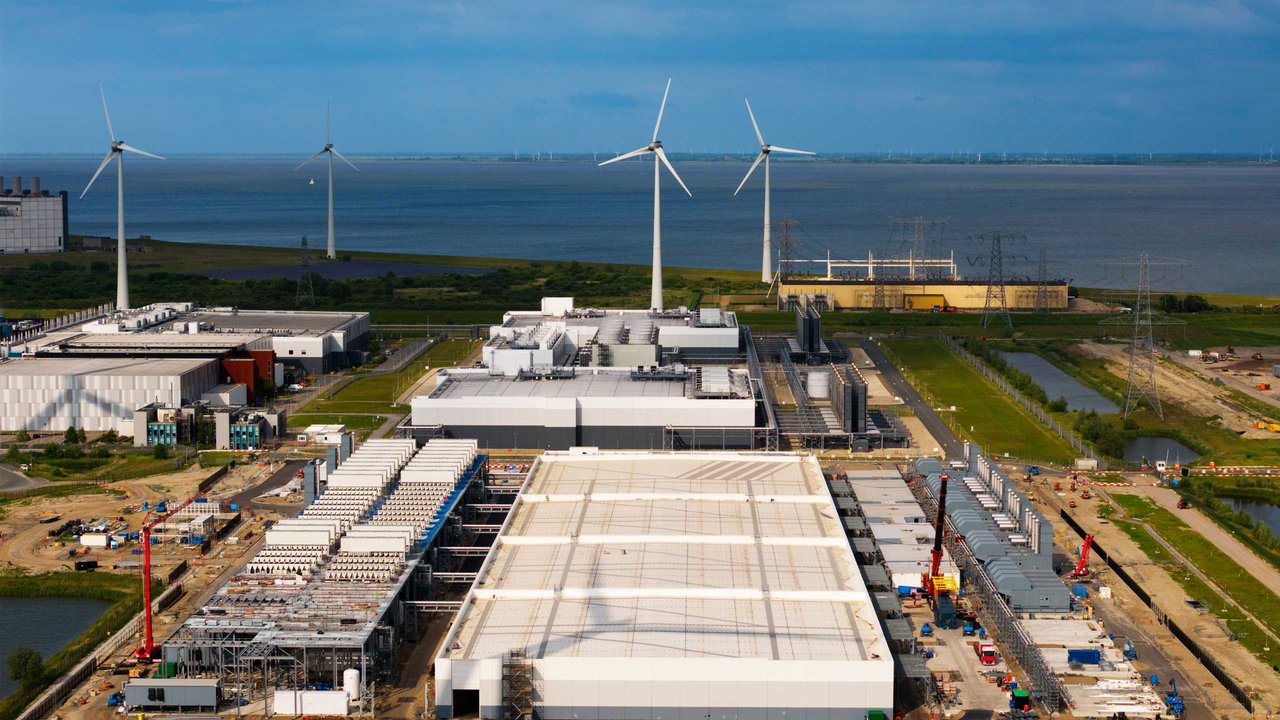
    Data centers draw power from multiple sources: onsite substations feeding grid power, dedicated fossil-fuel generated power stations, and on-site renewable power like solar or wind to augment and offset the main power source. Each introduces its own construction and operational exposure.
    Commissioning is the critical bridge between construction and operation: the stage when installed equipment is tested and all systems are validated before the facility goes live. HVAC and server hall cooling, primary electrical systems, and safety controls, including fire detection and suppression, all must perform to specification — and all can pose hazards for loss and delay during the validation process.

    Value concentration and exposure

    Data center operations concentrate unprecedented insured values, and many new campuses are built in locations with high exposure to severe convective storm, wind, hail, or tornado risk.


    ≤ $20bn

    Concentrated asset value

    A single facility can now hold staggering insured values, creating massive financial density within highly localized footprints.

    $125bn

    Rising global risk

    Annual catastrophe losses have surged fivefold over three decades, dramatically shifting the risk landscape for modern infrastructure.

    $50bn

    Severe storm global losses

    In 2025, convective weather events continue to drive record insured losses. In the US, ~25% of data center capacity faces frequent large hail risk, and more than 40% lies in significant tornado zones.

    Source
    Source: Munich Re, NatCatSERVICE 2026
    Once operational, a data center must deliver uninterrupted protection for physical assets and uptime, backed by robust on-site power generation and resilient energy infrastructure. The businesses depending on these facilities to process, store, and transfer data have zero tolerance for service disruption.

    The growing equipment challenge behind AI infrastructure

    Equipment density is increasing. Replacement timelines are stretching. When breakdowns occur, the consequences are amplified. For a deeper dive into data center equipment risks, visit HSB’s Trendspotter article.
    Building a data center is much more than constructing an envelope and installing servers. It is a complex chain of cargo, construction, power, liability, and operational risks.

    At Munich Re, we understand this complexity and have the expertise to guide you to the right solutions at every stage.
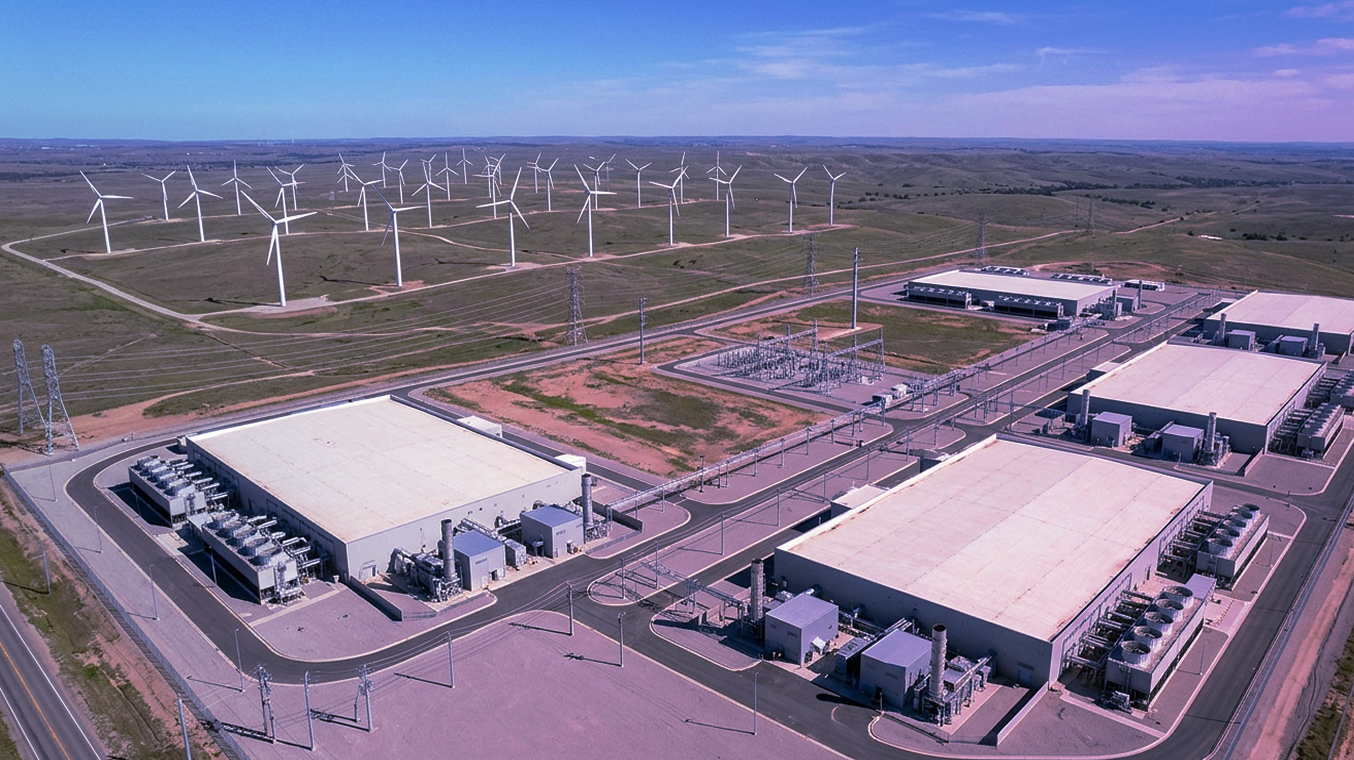
    Image was created using Gemini for illustrative purposes only.
    Contact us to learn more

    Please enter first name
    Please enter last name
    Please enter company name.
    Please enter email address.
    Please enter how we can help you
    Thank you. Your message has been sent to the Munich Re team.
    Additional Privacy Statement for California Residents