Discover the trend, meet the trendspotter.
Data center equipment risk
The trendspotter
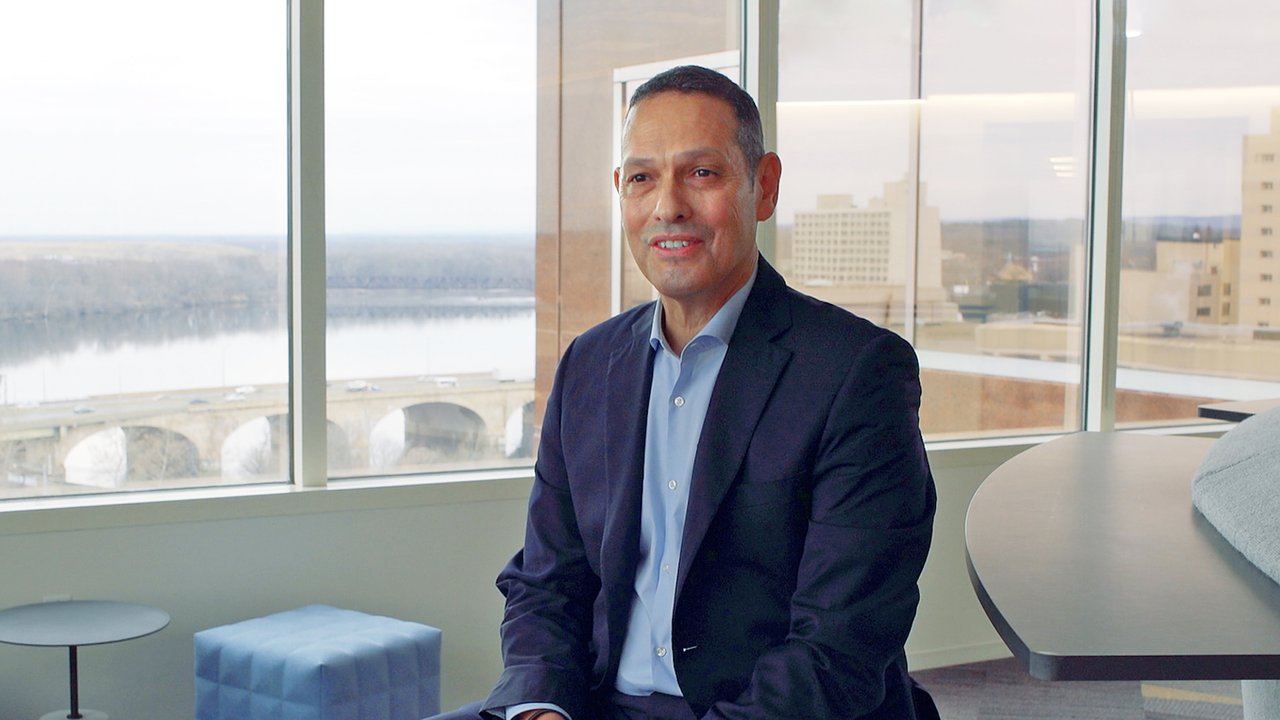
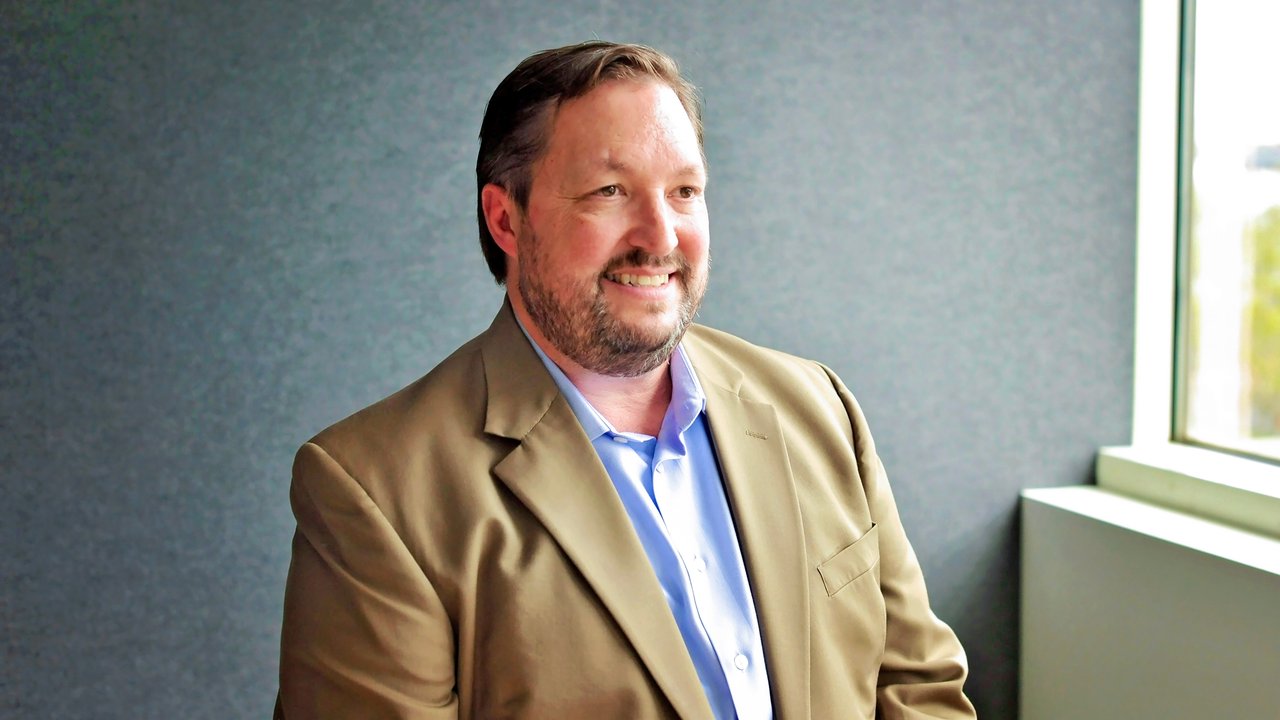
"Data centers don’t like to go down. What most people don’t realize is that today’s data centers are configured for continuous operation and can monitor themselves. Sensors are embedded in almost every system, and robots and drones on-site constantly watch, diagnose, and respond."
Paul MorrisHSB Principal Engineer
You probably don’t think about trends that affect businesses and the equipment they rely on. But we do.
The trend
Data center growth

The data center market is expanding rapidly, driven by artificial intelligence, advanced encryption, blockchain applications, cryptocurrency mining, and emerging computing models. To meet this demand, data center construction is surging. But growth isn’t just about square footage; it’s about complexity, power intensity, and dependence on critical equipment.
There are several types of data centers, including:
- Enterprise data centers located within or near a corporate campus
- Cloud data centers that own the equipment and rent it out to tenants
- Colocation facilities that own the space and rent it out to multiple tenants
- Outsourced data centers that take over the operations of an enterprise data center
- Edge data centers positioned close to end users to reduce latency
- Hyperscale facilities, often remote and purpose‑built, requiring 100 megawatts or more of continuous power
There are also several specialized data centers, including:
- Cryptocurrency mining that uses specialized miners to validate cryptocurrency transactions
- AI data centers that focus on AI models and services
- Quantum computing data centers will focus on supporting quantum computing
Each data center has a distinct equipment profile and risk footprint. HSB understands how these risks are shifting and where new exposures are likely to emerge.
Inside a modern data center: where risk concentrates
Power demand: the defining constraint
Newer data centers require enormous amounts of electricity — continuously. Local utility grids were not designed to support this level of demand. The largest facilities can consume a gigawatt or more of electrical power—where a single gigawatt can supply electricity to roughly 800,000 average U.S. homes, placing data center demand on par with entire communities. As a result, more data center service providers are deploying on-site power generation and energy storage to supplement or replace grid power.
While these solutions improve resilience, they also introduce:
- New equipment types
- Complex switching and sequencing
- Specialized components with long replacement timelines
Each system brings unique operational risks and breakdown susceptibilities.
Equipment density: doing more with less margin for error
A key design trend is higher equipment density, packing more computing power into less space. Some data centers now operate with rack densities between 20 and 50 kilowatts.
Higher density increases efficiency and also:
- Generates significantly more heat
- Raises dependence on high‑performance cooling
- Amplifies the impact of even short interruptions
If cooling systems are impaired, temperatures can rise quickly, risking damage to servers, switchgear, and power equipment. At the same time, power systems that run 24/7 experience greater mechanical stress. When components such as transformers or generators fail, replacements may take months, or even years to procure, and if redundancy is not built into the facility, downtime could extend far beyond the initial incident.
Cooling demand: a critical system, not just infrastructure
Modern data centers rely on increasingly sophisticated cooling strategies, including:
- Air cooling, using chilled air and hot/cold aisle containment
- Chilled water systems, circulating cold water through coils or equipment
- Direct liquid cooling, delivering coolant directly to processing units
- Immersion cooling, submerging electronics in nonconductive fluids
- Cryogenic cooling, that is the requirement for quantum computing
As cooling systems evolve, so do their failure modes. Maintenance, monitoring, and integration with power systems are critical to keeping operations stable, particularly in high‑density environments.
Going deeper: designing for resilience
Because downtime is costly, data centers are built with resilience in mind. A key part of that resilience is redundancy, having backup equipment in place so operations can continue if a component fails or needs maintenance.
Redundancy is often described using “N,” where N represents the minimum equipment needed to run at full load:
- N means no backup — if a component fails, downtime is likely.
- N+1 adds a spare component, allowing systems to keep running if one component fails.
- 2N uses two independent systems so operations can continue even if one system is lost.
Even highly redundant data centers face risks. Power interruptions, cooling issues, extreme weather, and equipment interdependencies can all lead to breakdowns. True resilience depends not only on design, but also ongoing monitoring, maintenance, and a clear understanding of how equipment performs in real‑world conditions.
How HSB is taking on the trend
HSB has a long history of helping clients understand the risks associated with electronic, electrical, and mechanical equipment.
Our engineers bring deep experience across the technologies that power data centers and industrial operations, an engineering mindset that’s embedded in how they think and solve problems. It’s in their DNA.
We provide engineering, inspection, and equipment breakdown solutions that help mitigate risk, reduce downtime, and support long‑term resilience. Beyond risk transfer, we’re committed to sharing our knowledge — helping clients and partners better understand the equipment their operations depend on.
At HSB, we’re constantly tracking emerging trends, studying how risk evolves, and identifying practical ways to stay ahead of it.