Wildfires and bushfires
Climate change elevates risk of wildfires
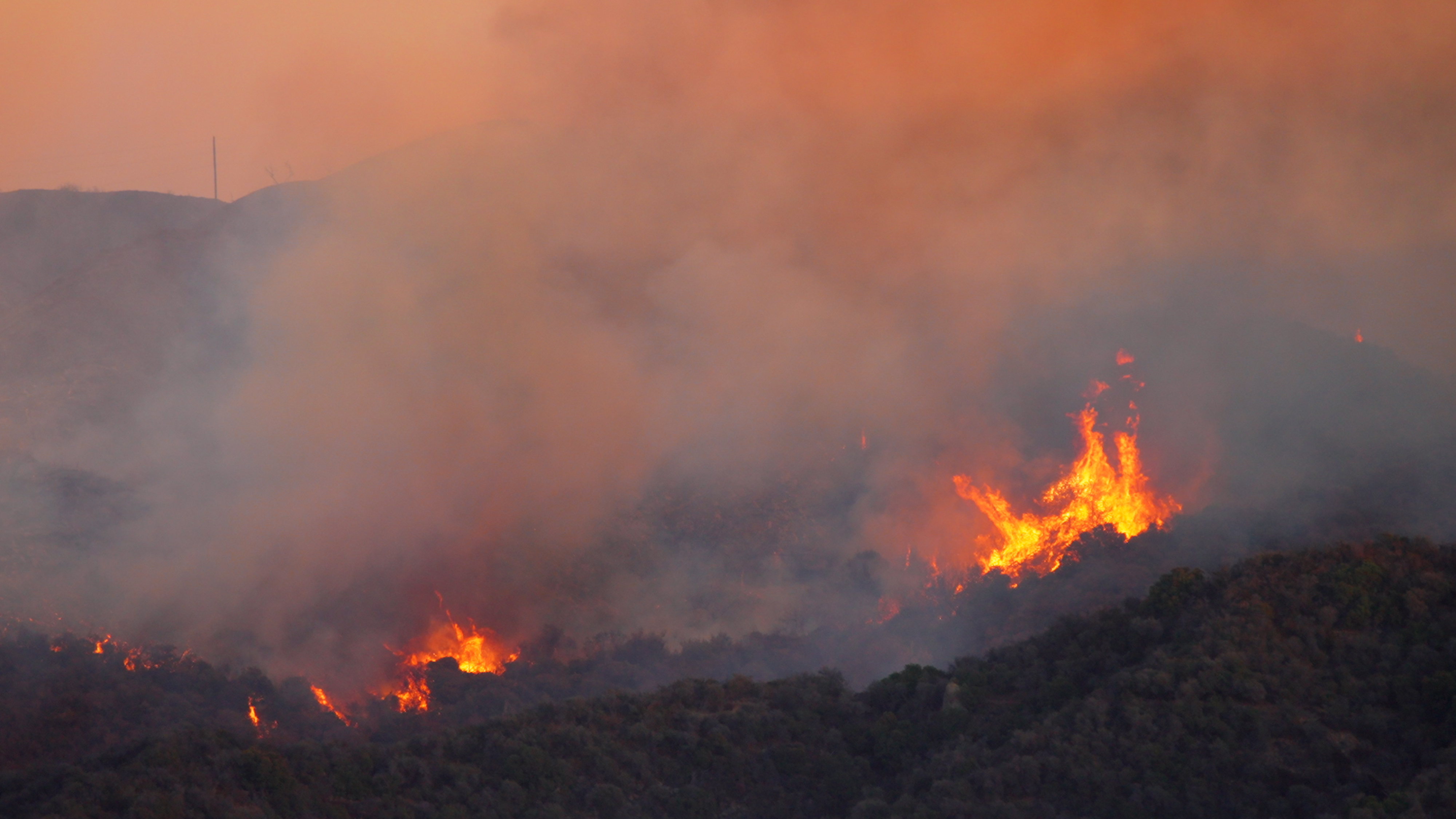
Wildfires cause billions in losses every year, particularly in the United States. The costliest wildfires to date, which struck the Los Angeles area in January 2025, led to colossal losses totalling US$ 54bn. As US$ 41bn of that was insured, this proved to be the most expensive catastrophic wildfire to date for the insurance industry.
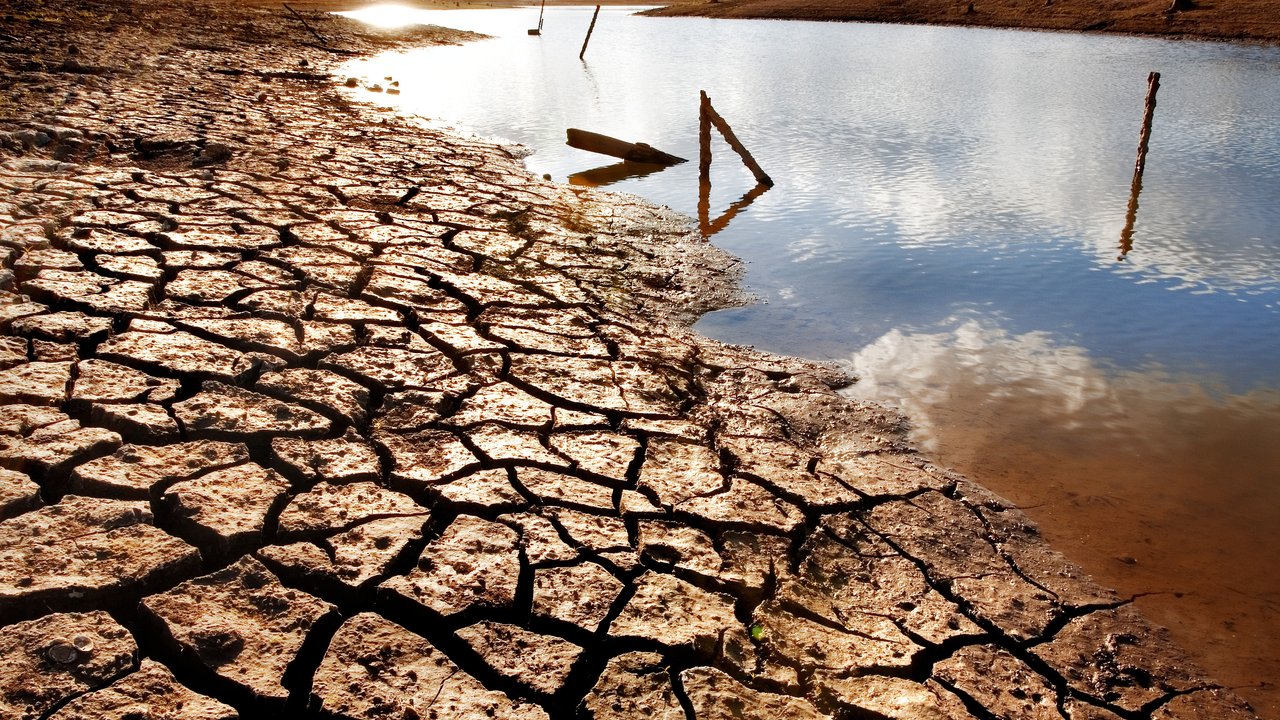
Losses of this magnitude are often attributable to a high density of buildings in hazard zones. And the risk of fire losses is being exacerbated by climate change. After all, rising temperatures and more frequent droughts increase the threat of wildfires in many regions worldwide.
~US$ 290bn
Global wildfire losses 1980-2025 (inflation-adjusted),
Insurers covered more than half of losses
An interplay of human-made and natural factors has made wildfires and bushfires a hazard that is difficult to quantify and one that poses an increasing threat in many places. Hazard zones can be accurately identified, but fires can also occur in unexpected places and cause major losses.
Wildfires tend to occur when ambient temperatures are high after prolonged dry spells. Dry vegetation can then be easily ignited, starting a wildfire that can quickly spread out of control – especially if fuelled by strong winds. Munich Re collaborated on a scientific study published in 2025, the conclusion being that the most damaging wildfires are significantly correlated with fire disaster weather, which fosters catastrophic fires. According to the study, the frequency and severity of fire disaster weather has increased considerably in recent decades.
The wildfire risk is particularly high in climate zones where sufficient precipitation falls occasionally, allowing vegetation to first thrive before drying out during long periods of warm weather and scant rainfall. There are such climate zones in south-east Australia and California, for instance.
All of these factors contributed to the fires in January 2025 that destroyed large sections of Pacific Palisades and Altadena, among other communities in the Los Angeles area. After a wet winter and spring early in 2024, the vegetation had dried out over the rest of the year. Once fires had started in the LA area, they became a veritable firestorm due to a seasonal phenomenon known as Santa Ana winds: very strong katabatic winds that blow downslope from the mountains to the Pacific Ocean. The flames were thus able to spread quickly from one structure to the next in densely settled neighbourhoods.
Rising potential for losses from wildfires
The regions hit hardest include the western United States and south-east Australia. Along with climate factors, urban sprawl is likewise decisively changing loss potential. More and more people are living in transitional zones between the outskirts of cities and nearby forests.
In California, climate change is evidently a significant factor in the worsening risk of wildfires and subsequent high losses. Conditions that foster wildfires are also occurring more frequently in the Mediterranean region and parts of Australia. In Europe, heatwaves and droughts have similarly fuelled more wildfires in recent years. According to data from the European Forest Fire Information System (EFFIS), wildfires in Spain destroyed four times as much land in 2025 as the annual average for the preceding 20 years. Looking at the ratio of land burnt to a country's overall size, Cyprus and Portugal suffered the worst fire losses. And taking the European Union as a whole, too, more hectares succumbed to flames in 2025 than ever before. All the same, wildfires in Europe generally do not threaten conurbations, which make them far less destructive than wildfires in the United States.
It merits mentioning that most fires near populated areas are caused by people, with only a small percentage attributable to lightning strikes and other natural causes.
The challenge: modelling the wildfire risk is complex
Newsletter
Solutions for wildfire risks
Reinsurance solutions


Industry solutions



Contact our experts