Flooding, flash floods and storm surges:
Risks are on the rise
More prevention is vital
~US$ 1,760bn
Losses caused by floods worldwide since 1980
(adjusted for inflation, including insured losses of ~US$ 260bn)
The clear trend: in many regions, effective prevention is now helping to limit the losses caused by river flooding. This is mainly due to investments in flood protection, which were made e.g. in Europe after the Elbe floods in 2002 and greatly reduced the losses from subsequent floods. Of course, this doesn’t change the fact that protective measures have their limits and are of no use in extreme events, such as when dykes are overtopped. And in many regions, the threat posed by more extreme precipitation is growing.
At the same time, the past two decades have seen a sharp rise in losses from flash floods, i.e. sudden, powerful floods after extreme rainfall that rush downhill at high flow rates, carrying with them a destructive mix of driftwood and debris. They can also occur far away from large rivers and cause serious damage on a local scale. Here, more prevention is needed here to avoid losses rising further.
More than a fifth of all flood losses since 1980 have been in China, where severe flooding is commonplace along its numerous rivers during the rainy season. Coupled with rapid economic growth and the corresponding expansion of megacities along these rivers, this has regularly caused losses running into the billions. Following a devastating flood along the Yangtze in 1998 – which remains one of the costliest flood disasters the world has ever seen – China invested billions in flood protection. As a result, subsequent floods were less severe. However, the uninsured share of flood losses in China remains well over 90%.
The most expensive flood disaster ever recorded occurred in Central Europe in July 2021, when devastating flash floods and river flooding in western Germany’s Ahr valley and neighbouring countries produced total losses of US$ 63bn after adjusting for inflation. It was the most expensive natural disaster in Europe in decades. The insured share of the losses, as is often the case with flood events, was comparatively low (US$ 17bn).
As this shows: even in industrialised countries, flood risks remain largely uninsured. This is partly due to the fact that some regions have only limited coverage options. However, a lack of demand is also a factor – even in flood-prone areas. And in many countries, flood risks are not automatically included in buildings insurance, meaning cover has to be purchased separately.
In response, a few years ago Flood Re was founded in the UK: a reinsurance company supported by insurers that provides flood cover for residents of high-risk areas at affordable prices. In Germany, a similar concept is currently being discussed by the German Insurance Association (GDV) under the title “Elementar Re”. Neither concept involves compulsory insurance, which has already been introduced or is at least being considered in other countries.
Nevertheless: many of the losses involve public infrastructure like roads, railways, dykes and bridges, which are usually uninsured. Even in Europe, as a rule not even half of all flood losses are covered by insurance.
Is climate change increasing flood risk?
In many regions around the globe, climate change is increasing the probability of extreme precipitation. Since warmer air can absorb more moisture, this increases the potential for heavy rainfall.
Studies have concluded that climate change has made numerous extreme rain events around the world both much more likely and more severe.
In addition, due to the higher frequency of these heavy rains, flash flooding is increasingly becoming an issue in towns and cities far from major rivers. But in many of them, risk awareness remains far too low.
Because people underestimate the financial risks, they frequently lack adequate insurance coverage. Homeowners and business owners must then bear the costs of property losses and business interruption losses themselves – or hope that state aid programmes will provide disaster relief.
What types of flood are there?
River floods
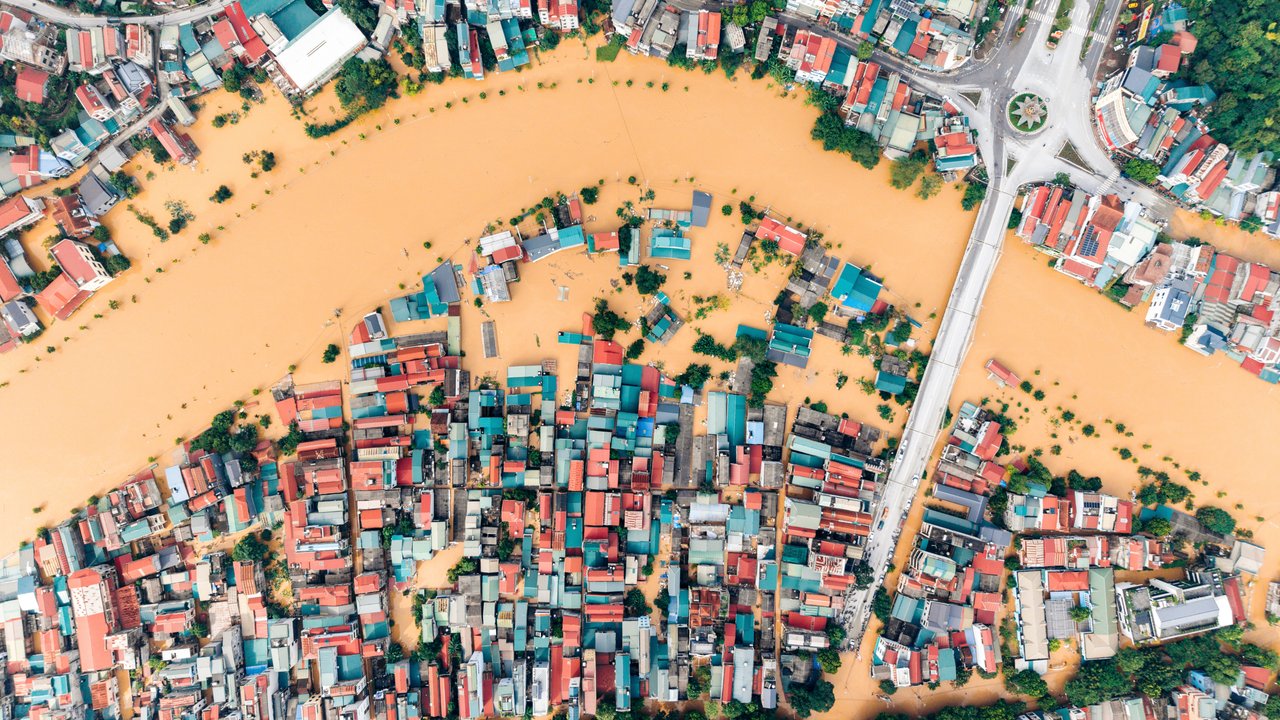
River floods usually – but not always – build up gradually and can last several days or even weeks. The area affected depends on the topography and can be as much as several thousand square kilometres in the case of flat and wide river valleys. In narrow valleys, flooding is limited to a fairly thin corridor along the river. Here, many more people are injured or killed by the often-high flow rates.
Accordingly, a detailed risk assessment based on exact flood zones is needed to calculate insurance covers. The combination of preventive measures and insurance can help minimise the overall financial burden.
Flash floods
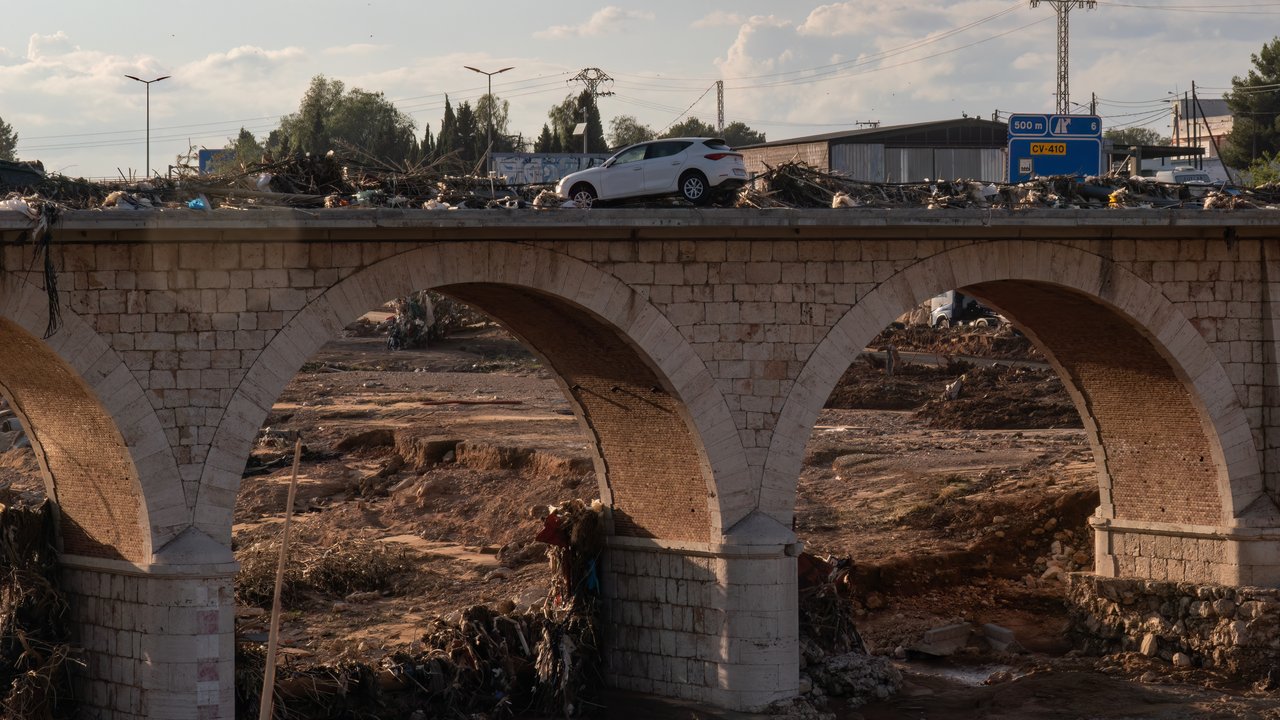
Flash flooding occurs when the ground stops absorbing water during brief but torrential rainfall. It is frequently associated with thunderstorms. On sloping terrain, this can produce a rapidly growing flood wave.
Particularly hazardous factors include the mechanical forces generated by the high flow rates, and the flotsam that is swept along by the rushing waters. Both can cause buildings to collapse, massively increasing flood-related losses.
One often-underestimated aspect: flash floods can occur virtually anywhere, even far from any waterways. It’s virtually impossible to predict where they’ll occur, which effectively rules out the use of short-term loss reduction measures. Consequently, general precautions and greater awareness of the risks posed by flash floods are tremendously important.
Flash floods are often followed by river flooding, as was the case during the Ahr valley flooding in 2021.
Storm surges
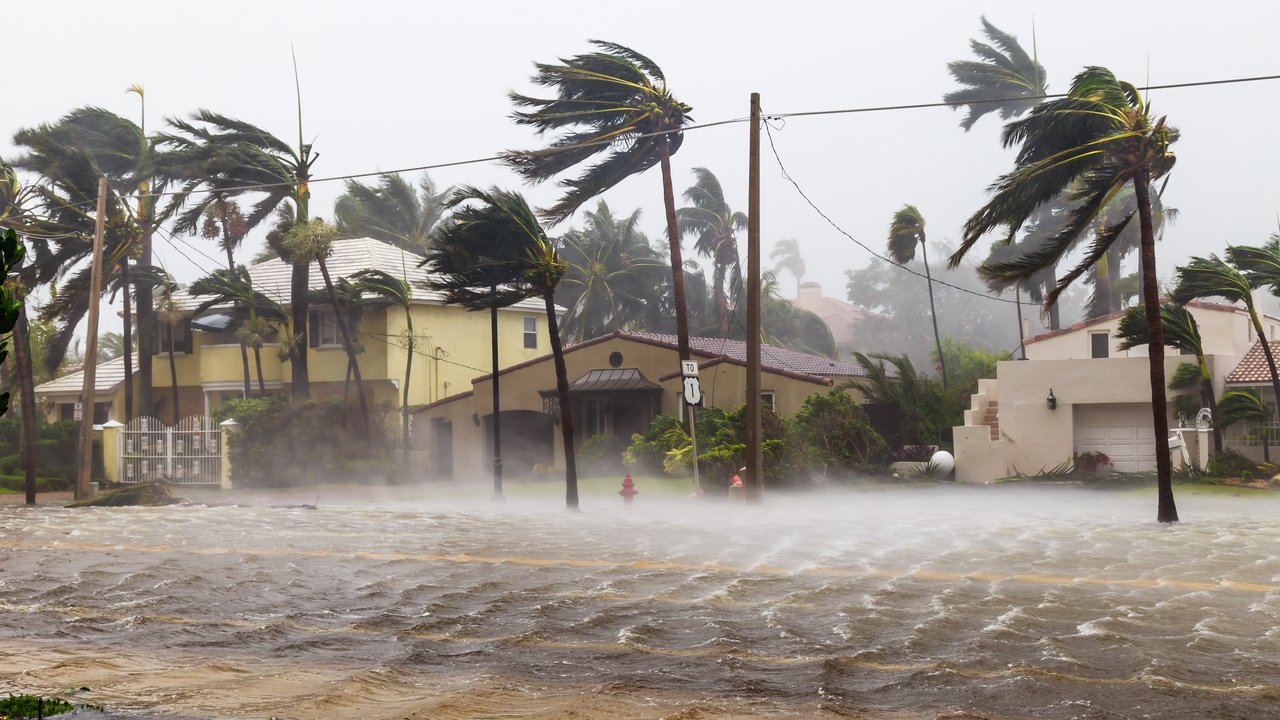
Although storm surges usually only affect relatively narrow strips of coast, their loss potential is huge, and they have claimed more victims in the past than any other type of flood event. As sea levels rise due to climate change, the risk of storm surges and erosion along many coastlines around the world is increasing.
On the positive side, investments in greatly improved protective measures and, in particular, advances in forecasting and early-warning systems have managed to reduce the impacts of storm surges in some areas in recent years.
Newsletter
Prevention and insurance solutions for flood risks
Reinsurance solutions


Industry solutions



Contact our experts