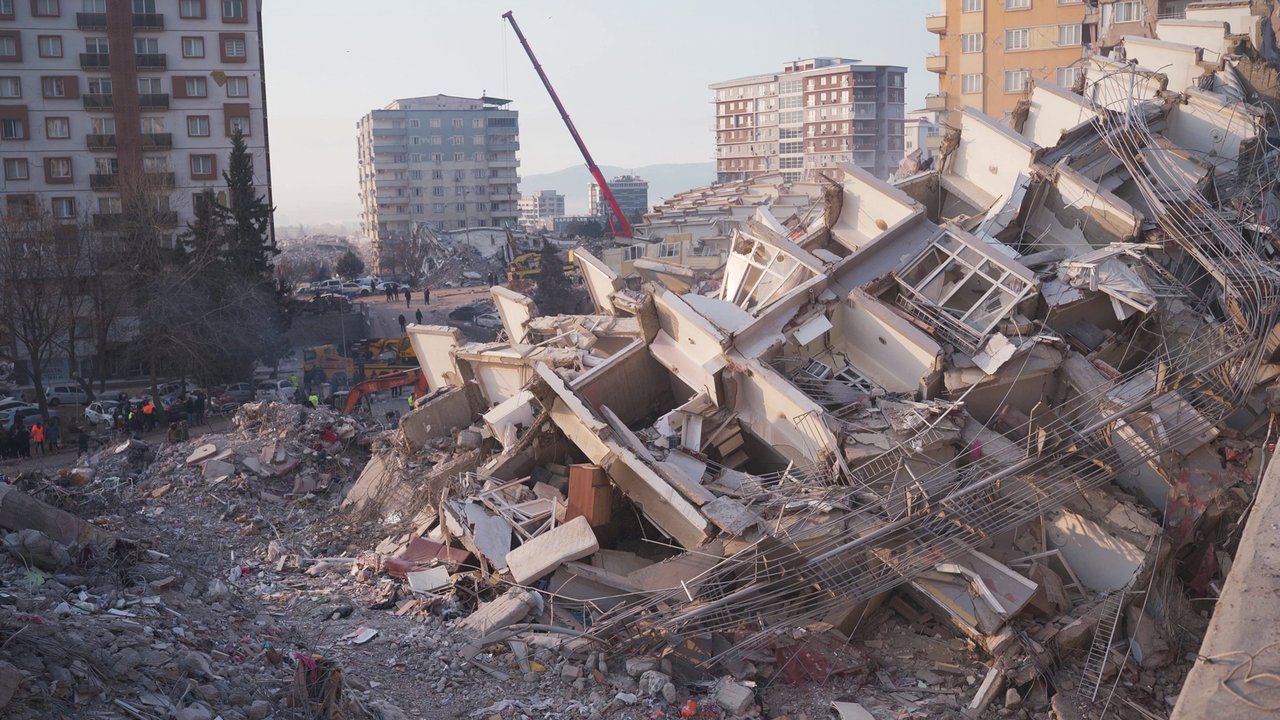
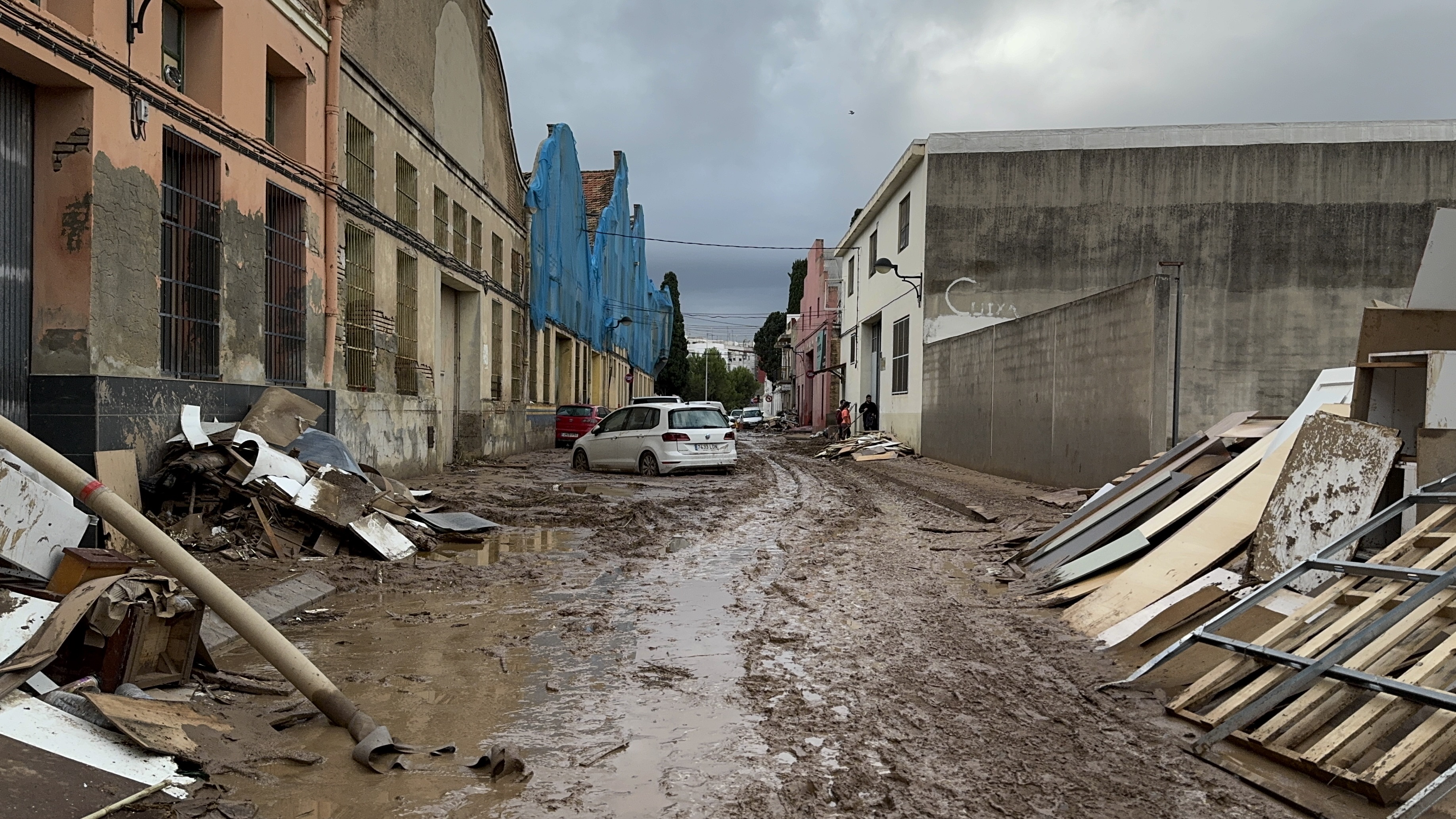
Natural disasters destroy assets worth hundreds of billions of dollars worldwide every year. Since 1980, losses have totalled US$ 7.4 trillion (adjusted for inflation) – that is, roughly twice the gross domestic product of the UK, Europe’s second-largest economy, in 2024. Only around a third of these losses were insured, meaning that many of the people and companies affected had to bear the brunt themselves.
US$ 7.4 trillion
Losses from natural disasters 1980-2025 (inflation-adjusted)
Roughly 67% were not insured
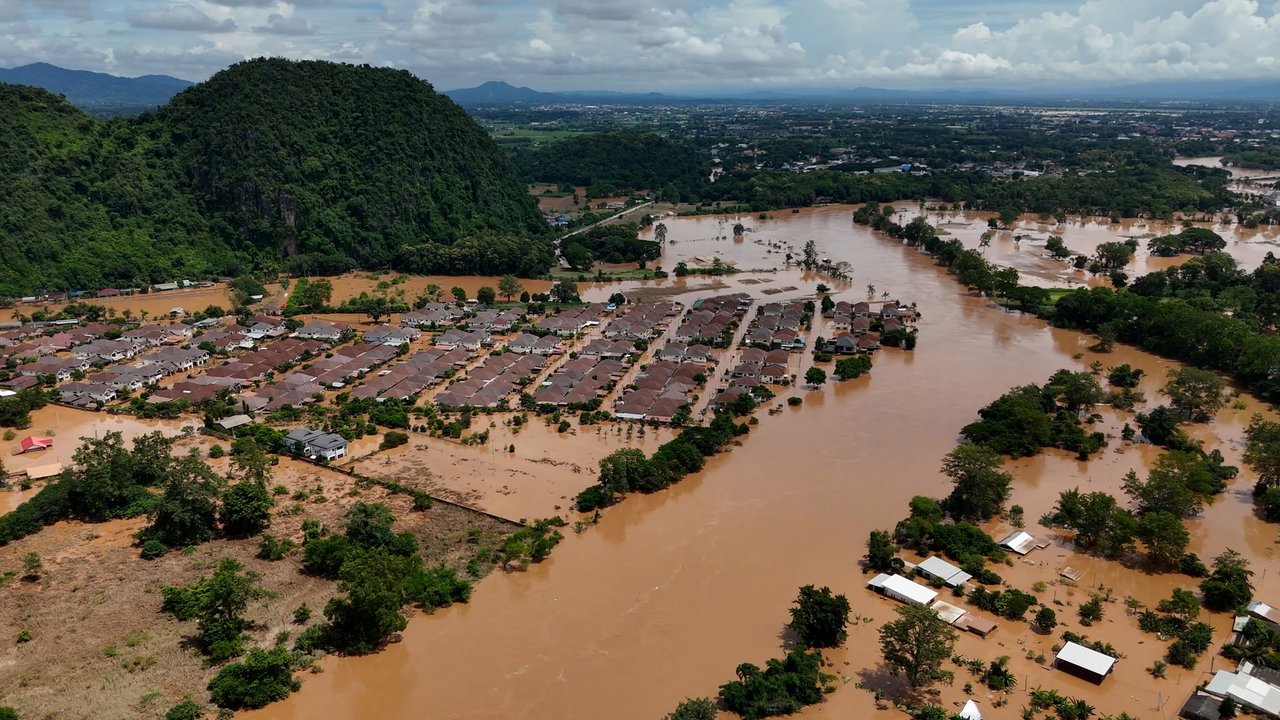
Severe thunderstorms, flooding and wildfires are causing increasing losses
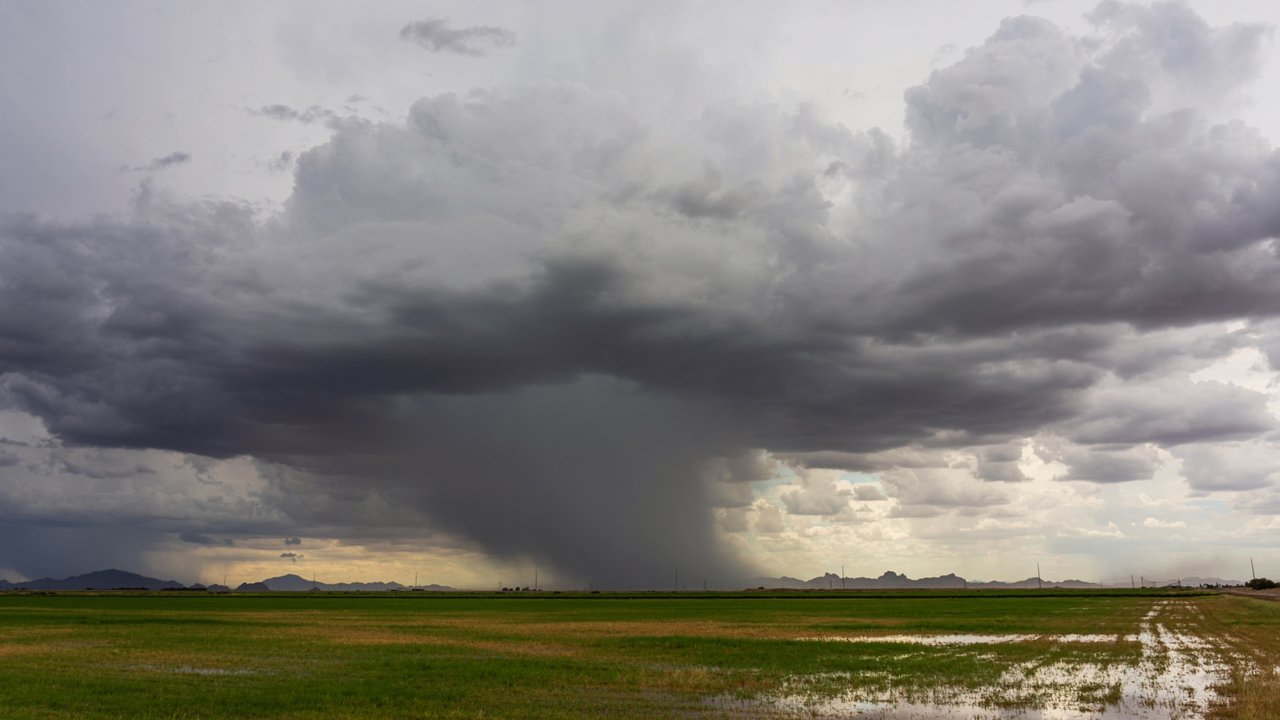
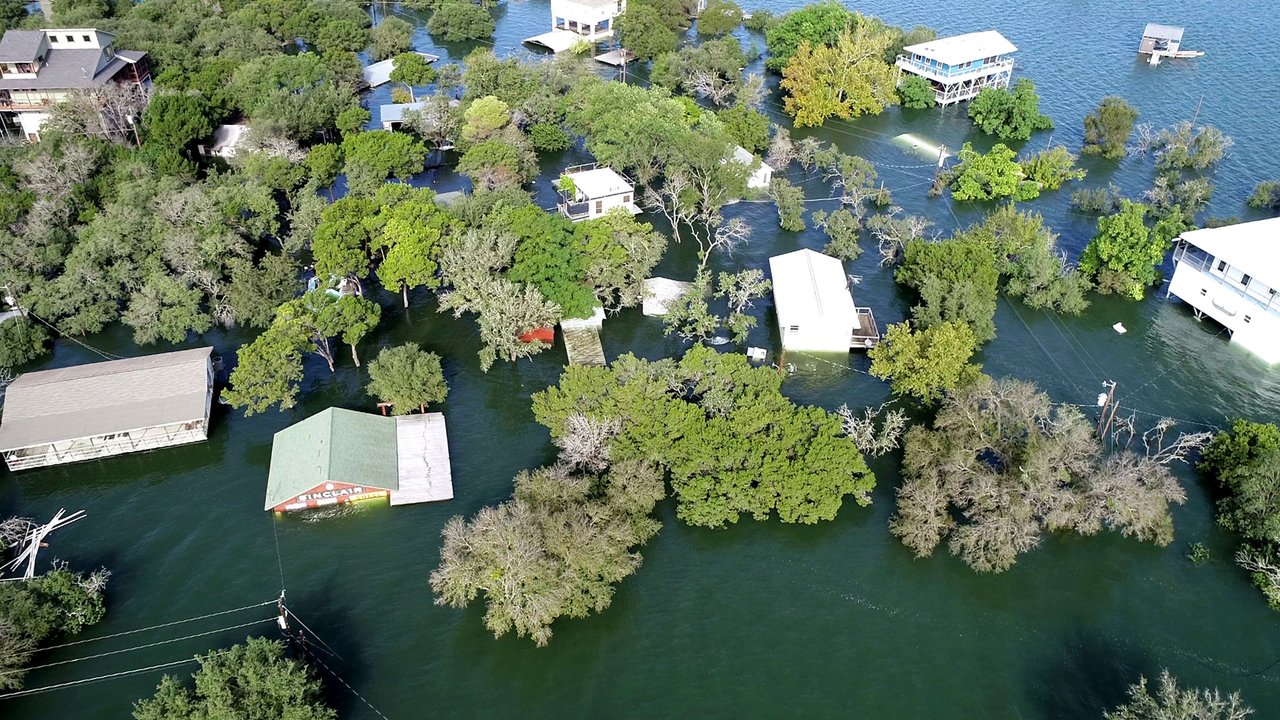
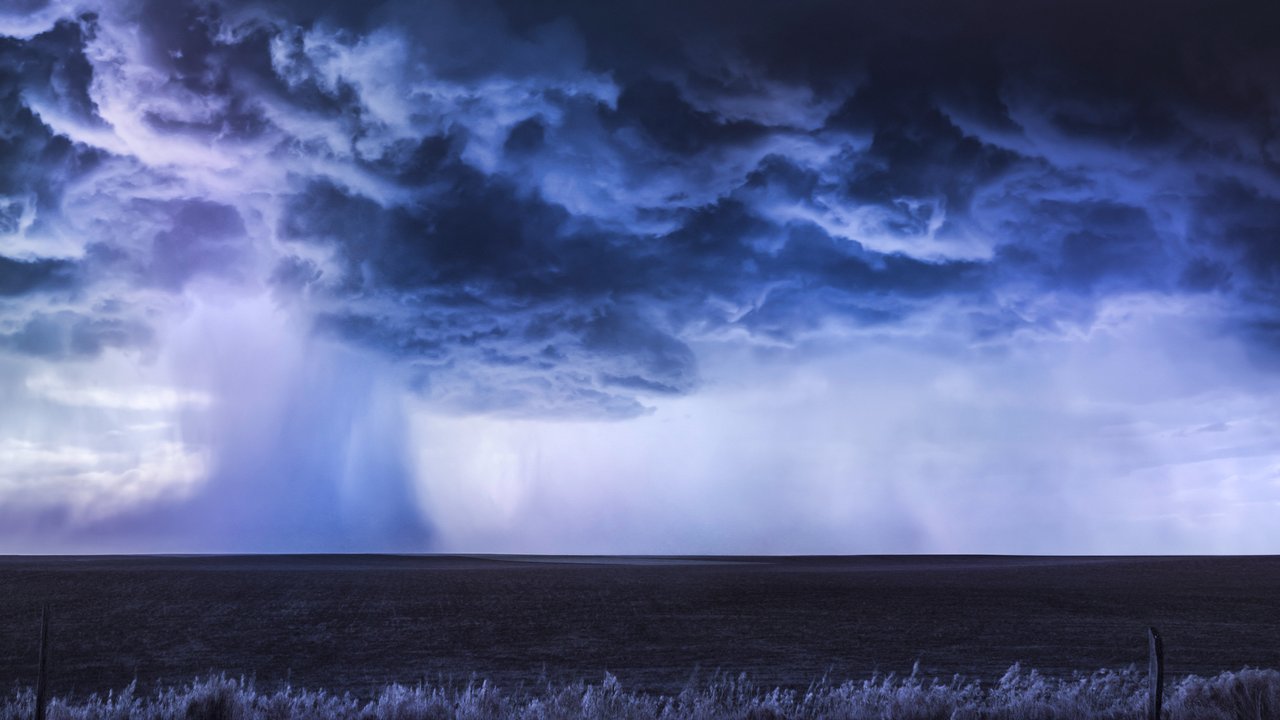
It is striking that, while peak risks such as earthquakes and hurricanes cause extreme fluctuations in losses, the visible trend toward increasing losses is driven by supposedly smaller natural catastrophes: severe thunderstorms, hail, flooding or wildfires – also known as “non-peak perils” or “secondary perils”.
In the US, for example, severe thunderstorms, often accompanied by tornadoes and hailstorms, now cause losses in the mid-double-digit billions of dollars every year – as much as a very severe hurricane.
Climate change strikes – prevention can limit damage
The largest share of the increase in losses is due to the rising values exposed to natural catastrophes. However, studies are providing ever clearer evidence that man-made climate change is playing an increasingly important role in the rising losses, especially for non-peak perils.
In addition, short- and medium-term natural climate fluctuations have a significant impact on the specific risk situation. One example is the ENSO (El Niño/Southern Oscillation) climate oscillation, whose alternating El Niño and La Niña phases influence weather extremes in many parts of the world.
All in all, two things are therefore necessary to limit the damage: loss-reducing adaptations to the risk, such as more stable buildings and avoiding construction in high-risk areas, and halting climate change as far as possible.
People in poorer countries have to foot the bill themselves
Often only a small portion of natural disaster losses are covered by insurance. In the early 1980s, only around 16% of losses were insured. Even in recent years, it was still no more than roughly half.
In developing and emerging countries, however, the situation has remained unchanged for decades: the insured portion is still well under 10%, often significantly lower. Yet a broader use of insurance could help people, especially in emerging countries, to cope with financial losses after natural disasters and make it easier for them to return to a normal life.

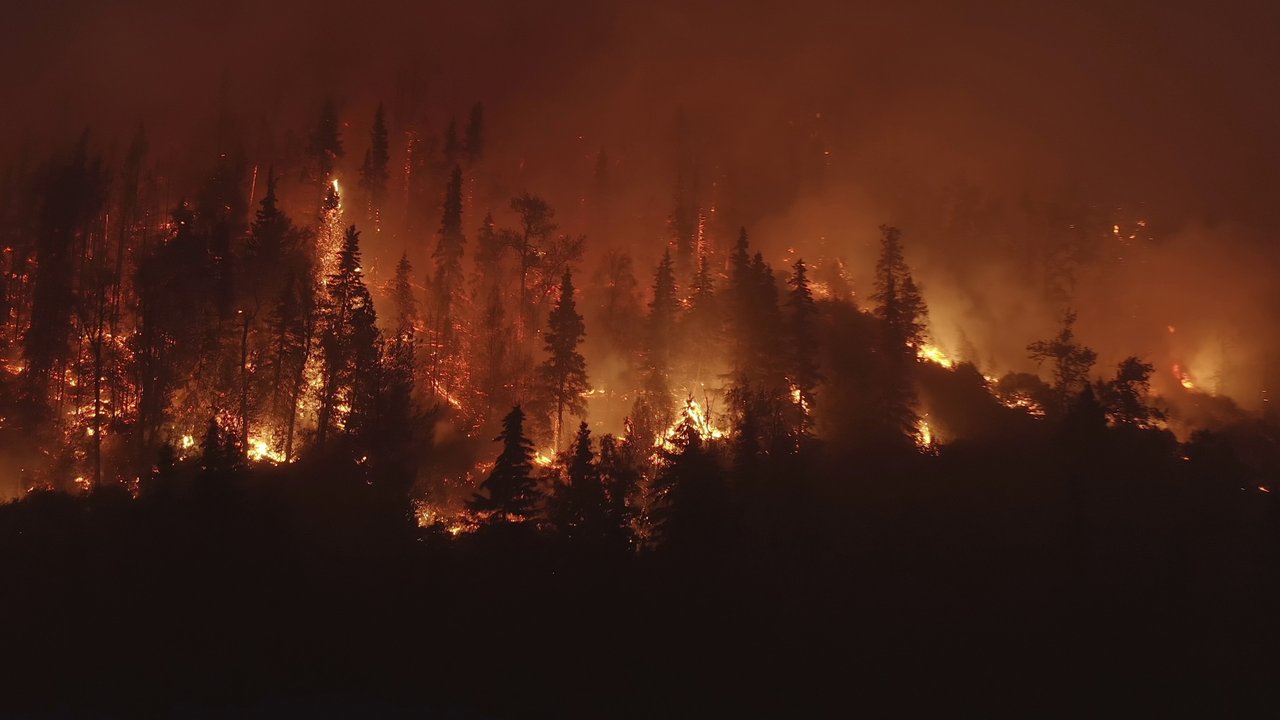
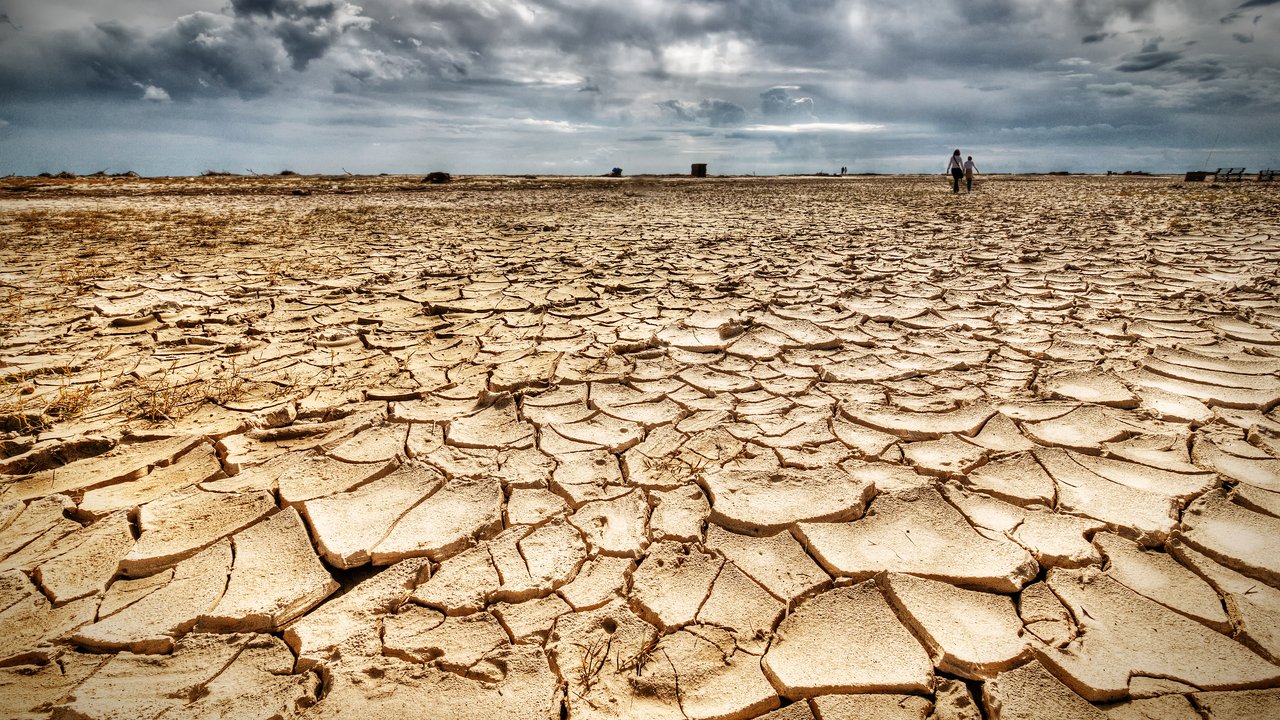
Climate change is a fact and is changing life on earth. Disasters like the Los Angeles wildfires of 2025 have become more likely due to global warming, and they teach us a lesson: people, authorities and companies must adapt to the new circumstances. The best way to keep losses to a minimum is prevention, such as more robust construction for buildings and infrastructure to better withstand natural disasters. Such precautions can help to maintain reasonable insurance premiums, even in high-risk areas. Another, extremely important point: there should be no new construction in these high-risk areas.
Five decades of research on natural disasters
For insurers, in-depth knowledge of risks and how they are changing is essential to assess loss trends and provide reliable risk coverage. When the trend of increasing losses due to natural catastrophes became apparent in the 1970s, Munich Re systematically expanded its expertise. Since then, experienced scientists and insurance experts have been analysing and evaluating the entire spectrum of natural hazards, from tropical cyclones, severe thunderstorms and floods to earthquakes and volcanic eruptions.
Research into the scientific relationships, the analysis of large amounts of data (data analytics) and high-resolution risk models that take into account all trends are indispensable. They form the basis for being able to offer our customers natural catastrophe cover on a large scale and to further expand our cover capacity with innovative insurance solutions. The objective is to correctly assess the loss potential of natural hazards and to make findings on changes available at an early stage for our own risk management and for our customers.

Newsletter
Risk assessment and risk management solutions
Munich Re identifies and analyses changing or emerging risks from natural hazards, including changes resulting from climate change and natural climate variability. The aim is to thoroughly assess the loss potential from natural hazards and to promptly harness findings on changes for the purposes of our own risk management and for the benefit of our clients.
Benefit from our decades of experience in natural catastrophe risk assessment. Munich Re offers solutions for your specific needs.
Reinsurance Solutions


Industry solutions




Contact our experts