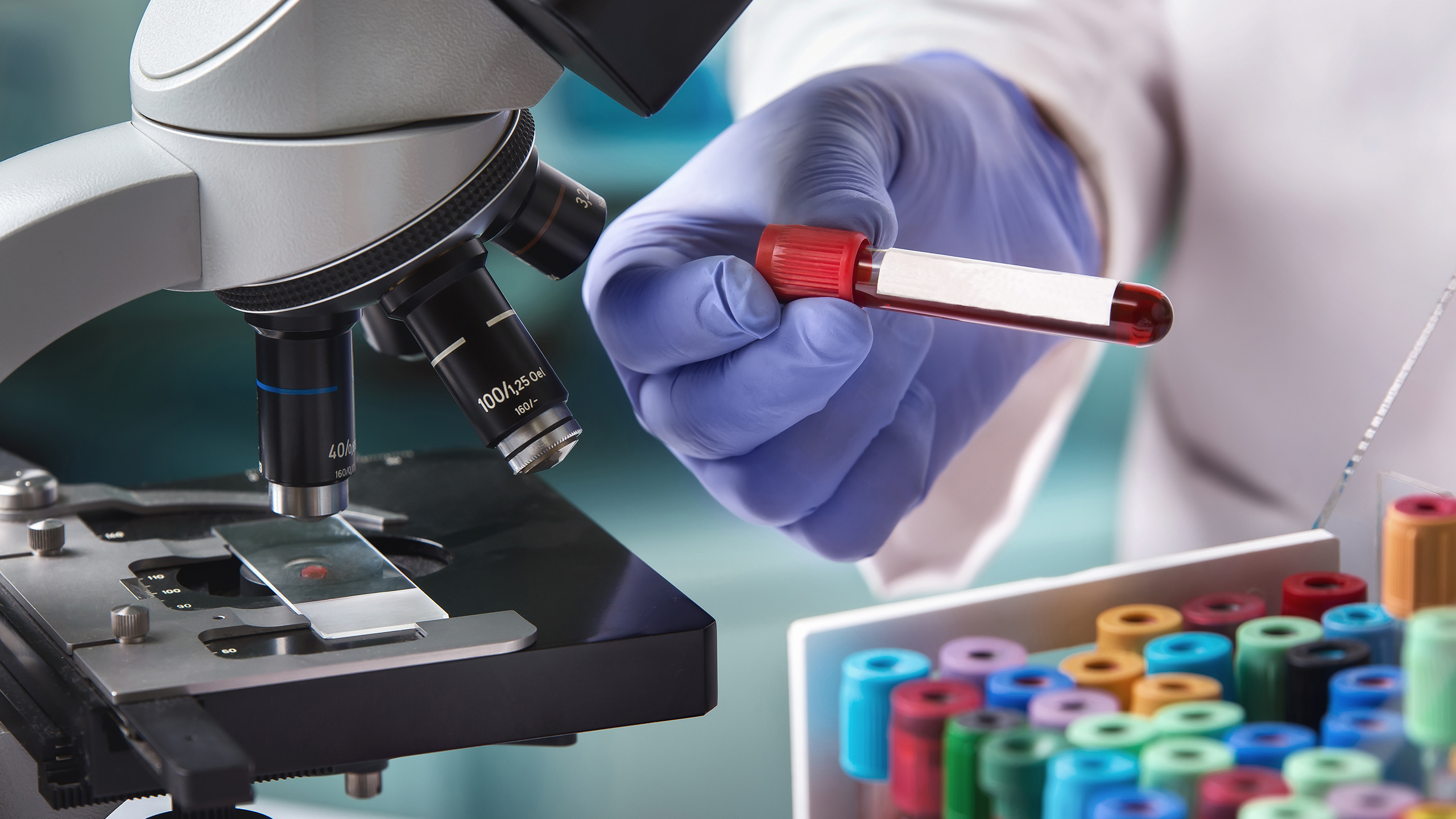
Coverage to meet complex Life Sciences challenges.

In an interview, Munich Re Specialty Senior Vice President Jim Craig talked about the risk that accompanies innovation and the important role that insurers play.
The evolution of precision medicine has transformed the life sciences industry. The identification of biomarkers and genes associated with diseases have not only led to earlier disease detection, but also the ability to identify the best treatment for individuals with certain kinds of cancers and other chronic and rare conditions.
The rise of artificial intelligence applications for life sciences companies, particularly in the research and development space, is transforming the industry as earlier medical interventions and more sophisticated diagnostics and therapeutics improve patient outcomes and extend the human lifespan.
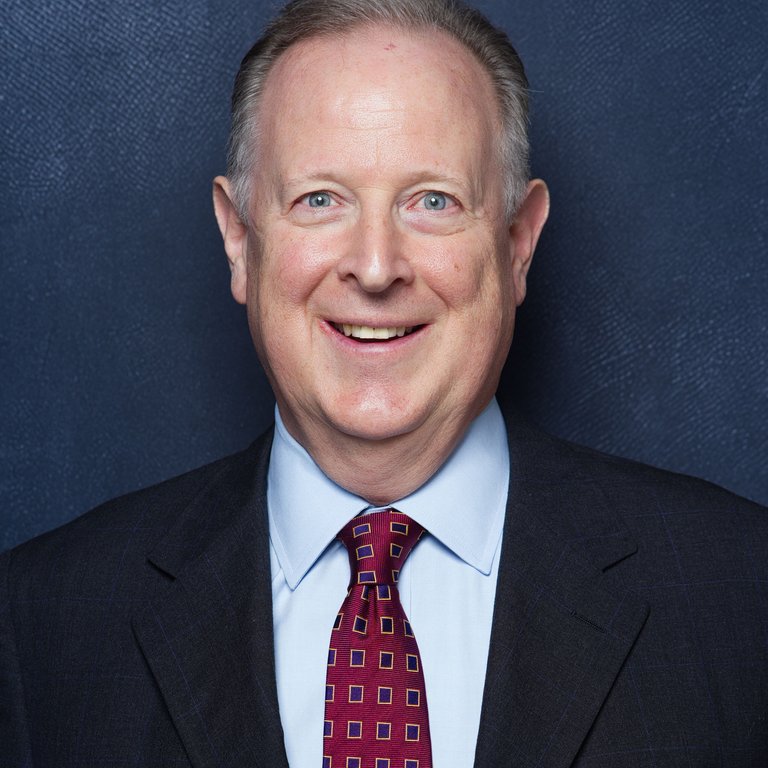
Jim Craig, Senior Vice President – Underwriting at Munich Re Specialty – North America, has worked in the life sciences liability underwriting space for over 25 years. This year, he launched the company’s life sciences liability division. Craig talked about how AI adoption in life sciences is playing out and what companies need to consider to manage their risk and best position themselves to take full advantage of new opportunities.
Munich Re Specialty offers coverage for medical product liability and related errors and omissions liability for financial loss. Areas of interest include branded and generic pharmaceutical companies, over-the-counter and prescription drug producers, clinical trial sponsors, dietary supplement manufacturers, medical device developers, contract service providers, and businesses in animal health.
Describing the life sciences liability space, Craig referenced AI’s transformative effect for underwriting for life sciences organizations.
Data is becoming an increasingly rich resource. In areas where this data is accessible, the risk selection will become a lot more accurate and sophisticated, while providing the opportunity to tailor insurance solutions to meet the complex challenges faced by life sciences organizations.
For clinical trials, AI analysis of Electronic Medical Records (EMR) will continue to refine and speed up the recruitment and selection process of human test subjects. Companies can pinpoint a patient population that is more likely to have an illness that the innovator is trying to cure. Biotech companies regularly struggle to meet test subjects recruitment targets with many trials. Oftentimes, Craig noted, drug developers will come to an insurer to obtain coverage for an upcoming trial. They estimate when the clinical trial will begin and the number of participants. But they may only recruit half as many people as they need, causing them to overinsure the trial or extend the timeline required for insurance. AI could help drug makers achieve progress in identifying the most appropriate participants quickly, solving these issues.
AI could also be applied to therapeutic ingredient selection. An AI algorithm could sift through vast amounts of scientific data and identify, for instance, anti-cancer compounds and predict the efficacy of those chemicals in a new drug. AI algorithms can also analyze medical images with much more accuracy than the human eye and comparable to expert radiologists, Craig said.
Craig also shared a couple of challenging areas for AI:
- Overdiagnosis, which can cause needless panic, until the inaccurate diagnosis can be corrected.
- Unintentional discrimination can happen when a clinical trial targets specific demographics and when a disease disproportionately affects certain populations. An AI system that directs companies toward specific groups without valid medical reasons could expose them to discriminatory actions.
- Cybersecurity risk of aggregating and analyzing voluminous medical data is significant. Companies need to protect vast amounts of sensitive patient data that is attractive to cybercriminals.
Against the backdrop of a shifting health tech landscape of which AI is expected to play an increasingly big role, Craig shared some suggestions for securing the correct insurance coverage.
Much depends on the exposure of a potential customer. Product liability coverage is available for the bodily injury or property damage that the company’s product may cause while it is tested in a clinical trial or sold in the commercial market. Cyber liability to protect against cybersecurity incidents is another potential coverage.
“Errors and omissions liability would come into play when an organization conducts work for others, and their negligence in that work could lead their customer to suffer a financial loss,” Craig said. “Errors and omissions liability insurance could respond to that. Hand in hand with this would be if their product has some kind of technology component. A tech E&O coverage could be important.”
If it’s a complex product, such as a medical device where the insured may be guiding doctors over the phone or in video during an operation, medical malpractice liability coverage would be important in the event of a product failure or practitioner failure.
aiSure™ is a Munich Re product that insures against AI model errors which can arise, such as hallucinations caused by generative AI that can lead to lost revenue. It also covers errors that would cause the insured a business interruption, loss, or a legal problem. It could also wrap around additional causes of loss.
“Hallucination risk is top of mind for a lot of the clients that we would serve. Having adequate terms and conditions within a given insurance contract is abundantly important for the clients that we serve. There’s always regulatory exposure with these newer AI clients,” Craig said.
In a sector with several players and growing all the time, Munich Re Specialty sets itself apart in a few different ways. It has a dedicated life sciences liability underwriting unit. The carrier doesn’t jump in and out of markets. Although the life sciences unit launched this year, it is embedded within Munich Re Specialty’s medical professional liability underwriting unit. It is committed to growing the division for the long term, has a solid reputation, and the financial strength to pay claims. Being part of the larger healthcare unit makes it easier for Craig to discuss policy construction with his medical malpractice colleagues.
“Having that collaboration right under the same umbrella is great. Another advantage is we handle our own claims. We don’t outsource them to third parties. ‘How can you know your book if you don’t know your claims?’ By handling our own claims, it makes this task easier,” said Craig.
The life sciences space offers a wide range of opportunities for small to medium-sized companies to apply AI to transform drug development and improve patient outcomes. Managing these risks and having the right insurance coverage is critical.
This article was produced by MedCity in collaboration with Munich Re Specialty.
Protect your life sciences organization with coverage that brings together a wealth of solutions backed by the confidence that comes with decades of expertise and stability.
Experts