Global economic trends
Understanding their impact on business risk
The trendspotter
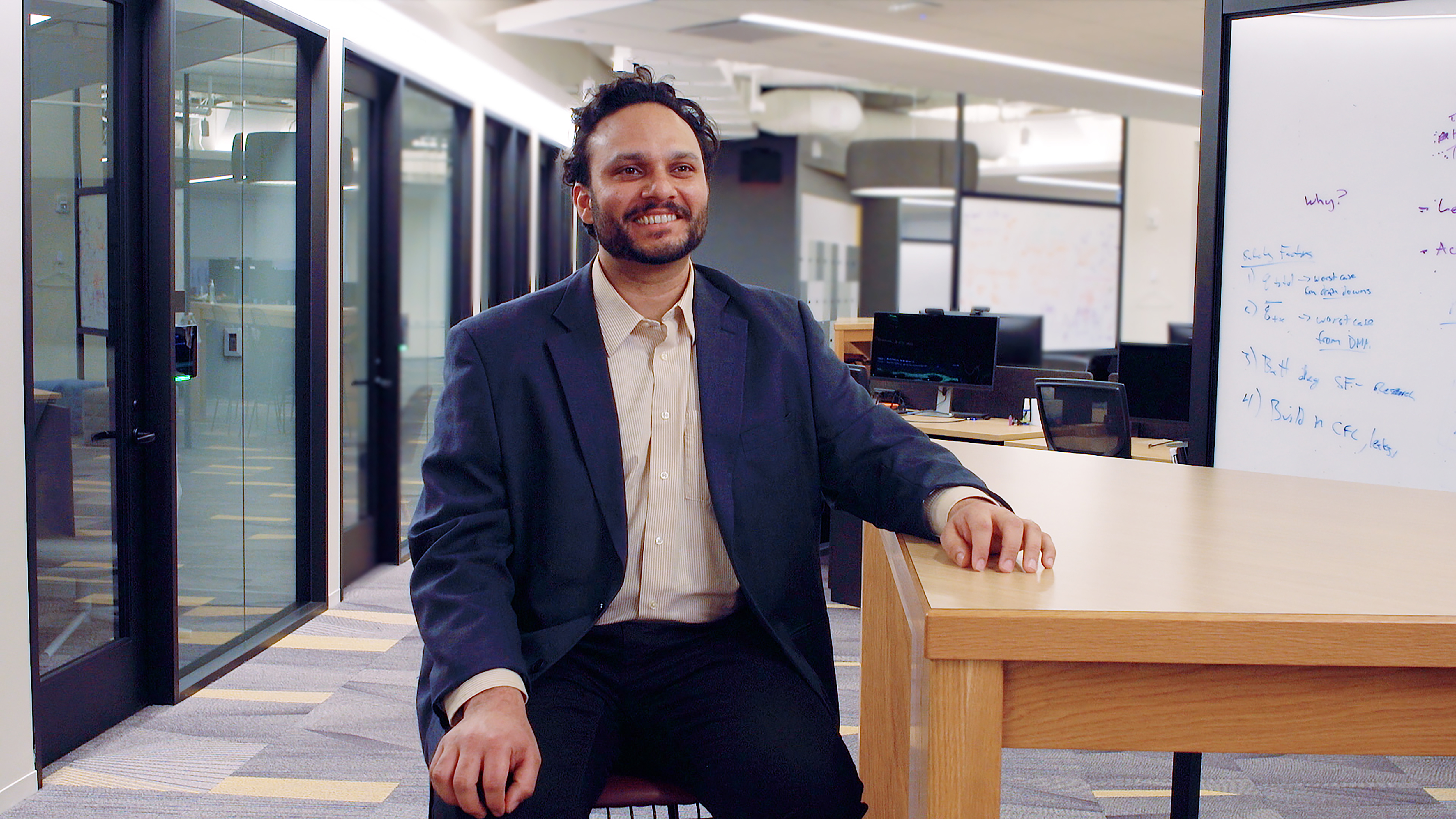
“HSB stands firm in our purpose: providing stability backed by unmatched expertise and a legacy of reliability, so our clients can stand firm — no matter what the future holds.”
John Nosari,HSB SVP Commercial Equipment Breakdown Claims
HSB continues to study the impact of economic trends on the businesses we insure and the equipment they rely on to operate.
Inflation has eased, but it’s far from gone.
Inflation has been a persistent issue since the pandemic, though it has moderated somewhat from its peak. Higher costs are not limited to consumer goods but also extend to the industrial and commercial sectors. The Federal Reserve has highlighted how inflationary pressures are exacerbated by disruptions in global trade, particularly when they affect intermediate goods — components used in the production of other goods. Since many equipment repairs rely on such parts, the inflationary impact is direct and substantial.1
29%
HSB’s average cost of a commercial equipment breakdown claim increased by 29% over the two-year period from 2023 through 2024.
Supply chain disruptions: Delays and downtime can result in income loss.
Supply chain issues, although improving since their peak during the pandemic, continue to impact equipment maintenance, repair, and replacement. These delays can lead to prolonged operational downtime and loss of business income. These disruptions not only delay repairs but also increase costs due to scarcity and the need for expedited shipping.
HSB has been studying the impact of supply chains on equipment since 2023. At that time, we evaluated the delivery times of different types of equipment in comparison to their pre-pandemic levels. While some lead times have improved over the past two years, others have grown even longer, for a different reason.
While supply chain pressures have eased for much of the equipment used in the commercial and light manufacturing sector, the demand for electricity by AI-processing data centers and the electrification of everything has increased demand for electrical infrastructure equipment.
Electrical distribution equipment, including switchgear and transformers, is facing the same increased pressures as the heavy industry sector.
The impacts of tariffs and trade policy uncertainty.
Trade policy changes, including tariffs, pose an additional challenge for businesses, particularly those that rely on imported machinery or parts. Not only can tariffs lead to higher repair and replacement expenses, but the uncertainty surrounding future trade policies also discourages long-term investment in diversified supply chains, leaving companies more vulnerable to future disruptions.
For example, the supply of electrical equipment already stressed by demand stands to be significantly impacted by potential tariffs. According to The National Infrastructure Advisory Council’s June 2024 report, “Addressing the Critical Shortage of Power Transformers to Ensure Reliability of the U.S. Grid,”2 it is estimated that only 20% of large power transformers are produced domestically.
The same report states, “under new transformer efficiency standards, 25% of distribution transformers will be made using amorphous steel, which lacks domestic sources of production.” Whether they own a transformer or not, all businesses rely on electricity. Longer lead times for repairing or replacing electrical equipment could result in increased downtime and business interruption.
How can businesses thrive amidst economic uncertainty?
Three key strategies that make a big difference:
1. Contingency planning.
It is crucial to have plans in place that enable organizations to respond effectively to unexpected incidents or disruptions, ensure operational continuity, minimize financial losses, and protect customer relationships.
A well-crafted contingency plan comprises several key elements:
2. Equipment maintenance.
3. Choose the right insurance provider.
There has never been a more crucial time to ensure you have the right equipment breakdown insurance partner. In addition to industry-leading coverage and claims service featured in the video above, HSB offers best-in-class engineering expertise and risk management services that can help mitigate equipment risk and the impact of economic uncertainty. In short, businesses can benefit from insuring their assets with HSB even if they never suffer a claim.
Explore our equipment breakdown risk resources and engineering and inspection services.