Climate change is showing its claws. The last twelve years were the warmest since records began. 2025 was the third-warmest year, with a global mean temperature that was 1.34°C above the 1850–1900 average. In the record-high year 2024, the global mean temperature was around 1.5°C above pre-industrial levels.
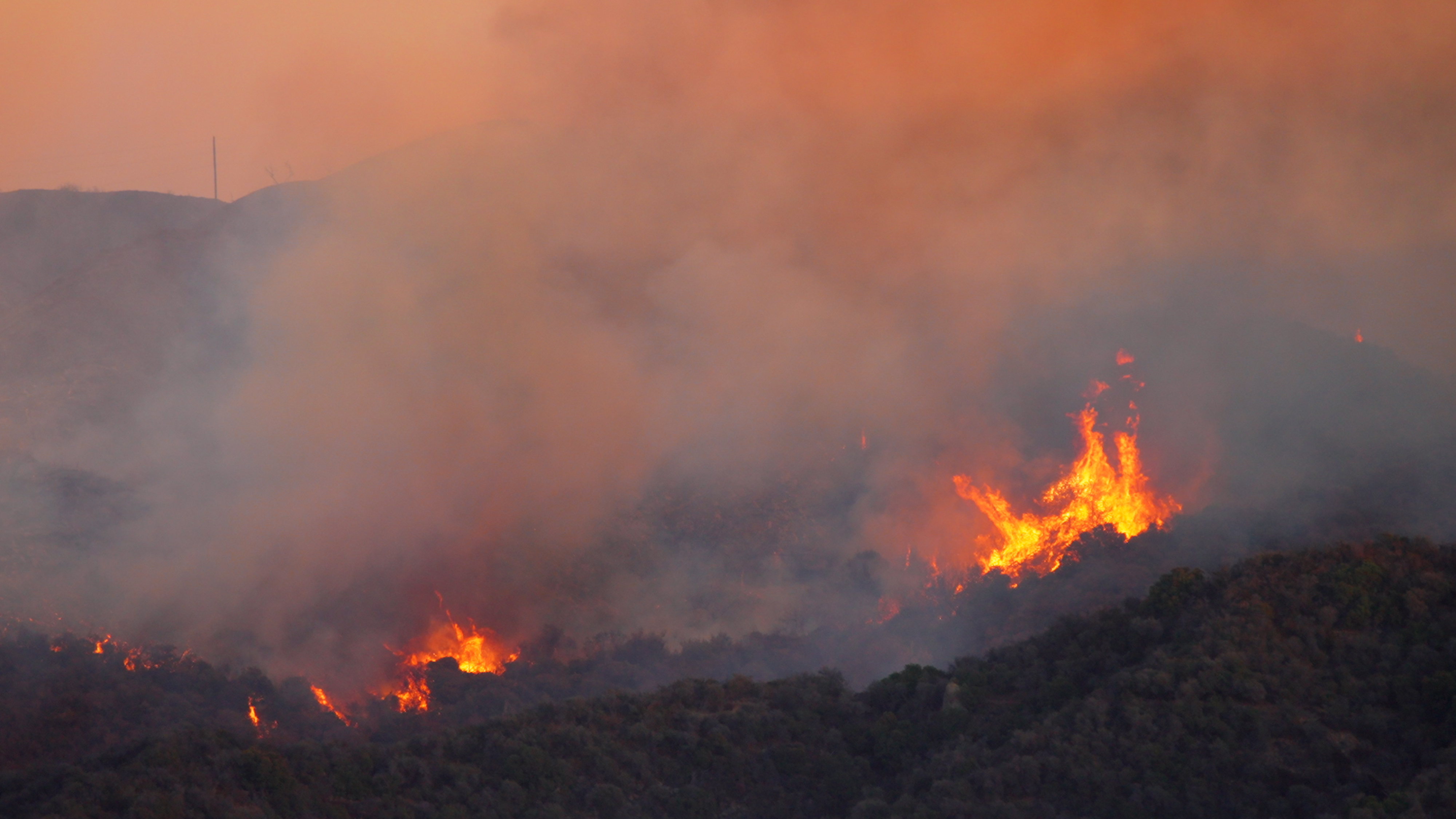
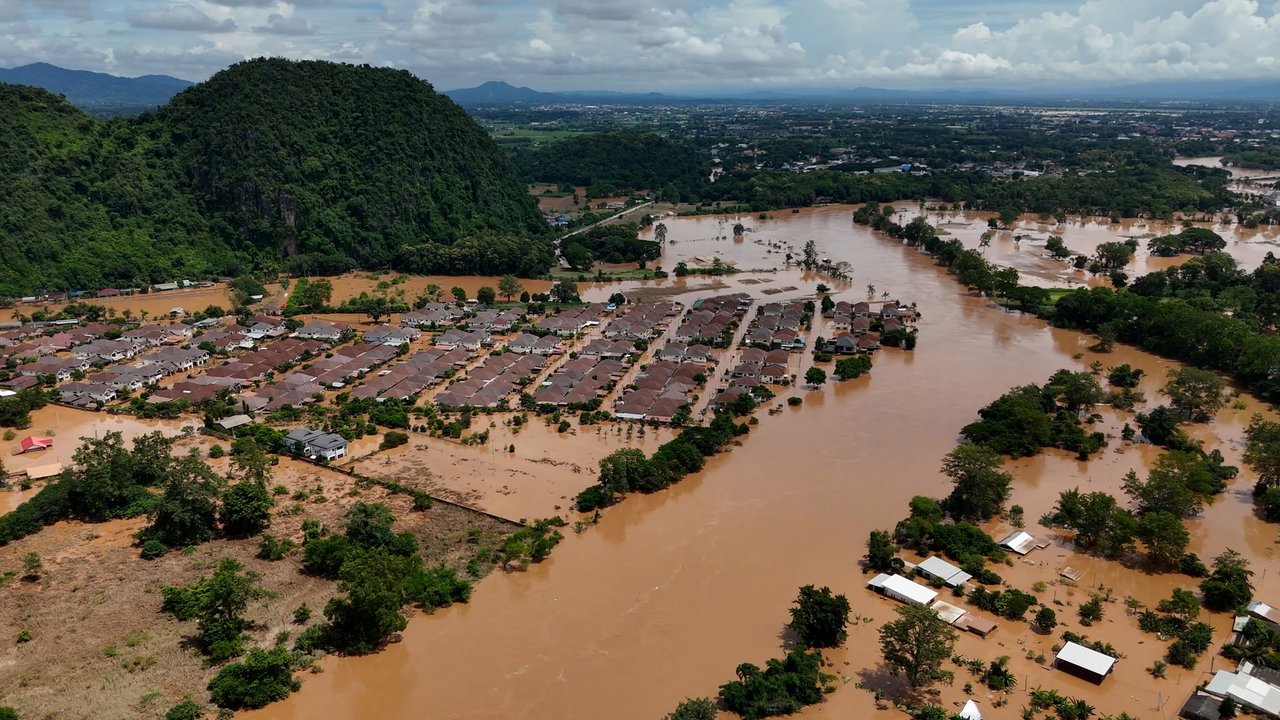
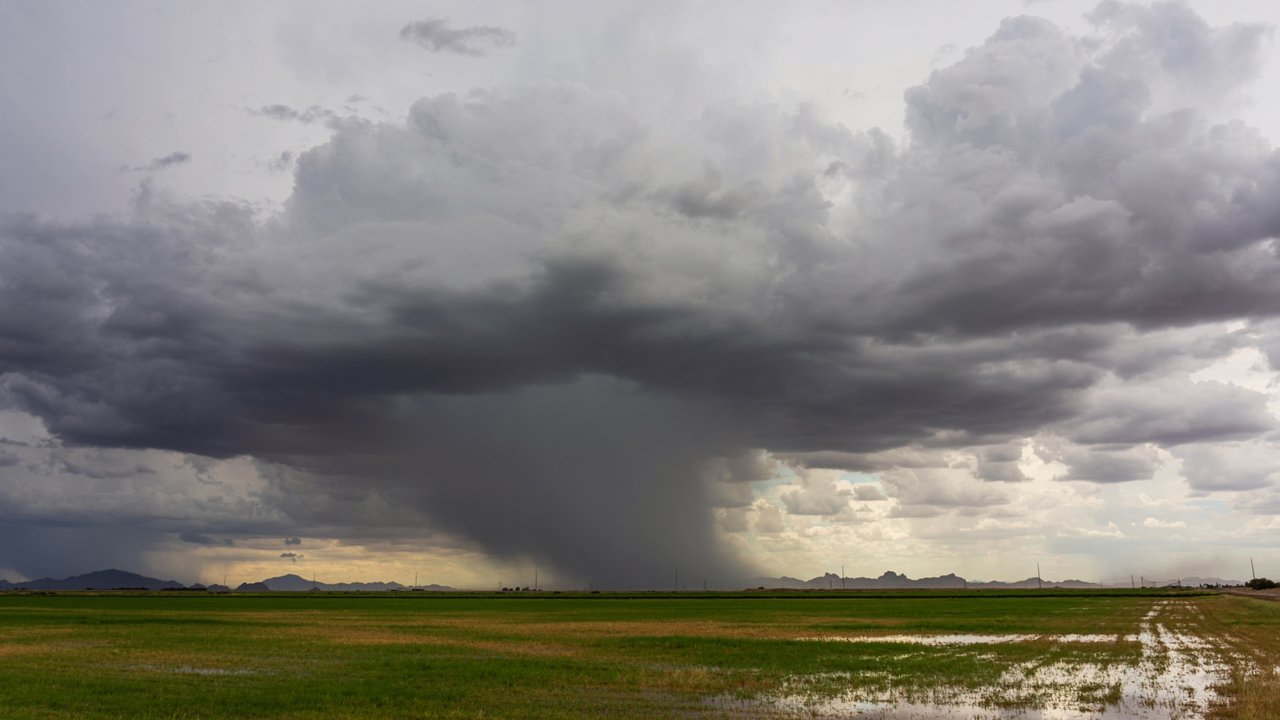
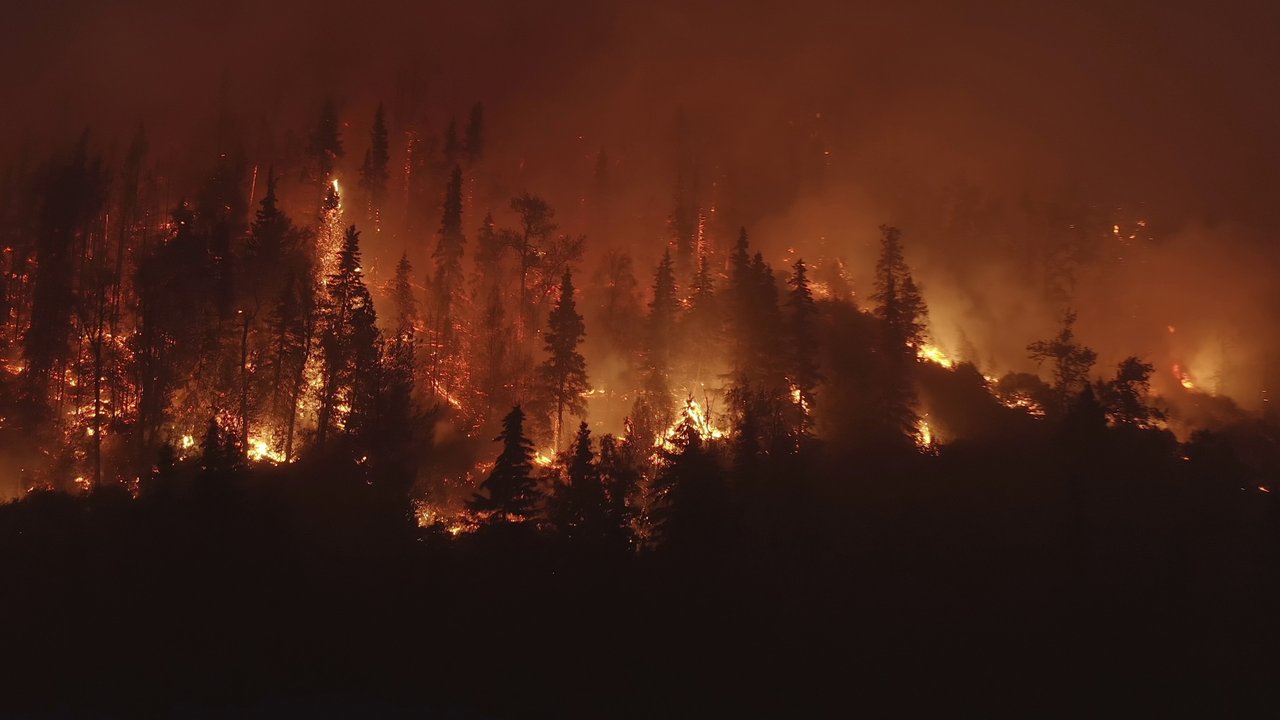
Last year, natural disasters caused high losses totalling US$ 224bn, though less than in the previous year. However, it was only by chance that the world was spared more extreme losses in 2025, as no severe hurricanes hit the US coast. Wildfires, severe thunderstorms and floods dominated the loss statistics. These “non-peak perils” alone caused US$ 166bn in total losses, including US$ 98bn in insured losses. The scientific community largely agrees that such weather disasters are becoming more severe and more frequent in many parts of the world.
Hurricanes, thunderstorms, floods and wildfires: climate change is affecting natural hazard risks
Climate change and its impacts: what we know so far
The scientific consensus is that anthropogenic greenhouse gas emissions since the beginning of industrialisation are almost entirely responsible for rising temperatures in the atmosphere and oceans. Global warming has various consequences:
- Sea ice and glaciers are melting. The sea level is rising at an accelerating pace at a current rate of 4.7 mm per year on average, according to the World Meteorological Organization (WMO). This trend increases risks in connection with storm surges, as it means that even weaker tidal waves could spill over levees that haven’t been modified.
- A higher energy content in a warming world leads an intensified water cycle with stronger evaporation rates as well as higher peak rainfall.
- As many weather extremes become more frequent and/or intense, losses will increase unless specific adaptation measures are implemented. Construction engineering measures are one possibility, as are changes in land use.
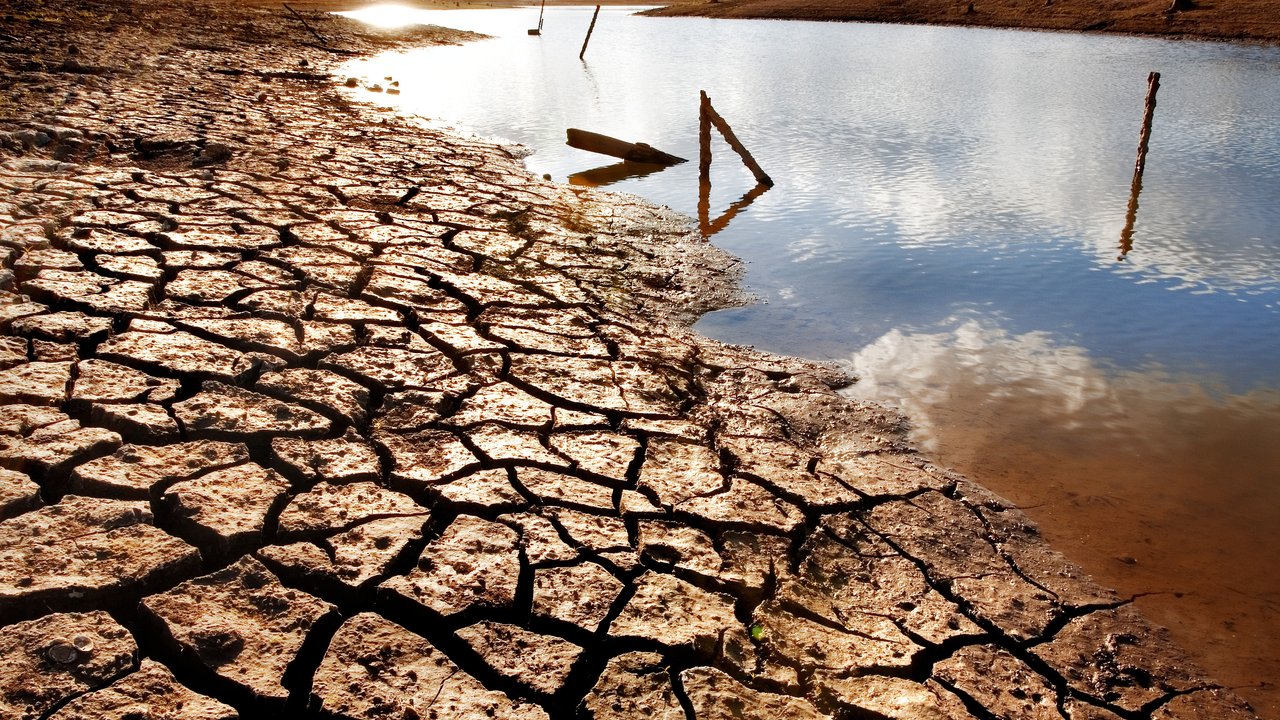
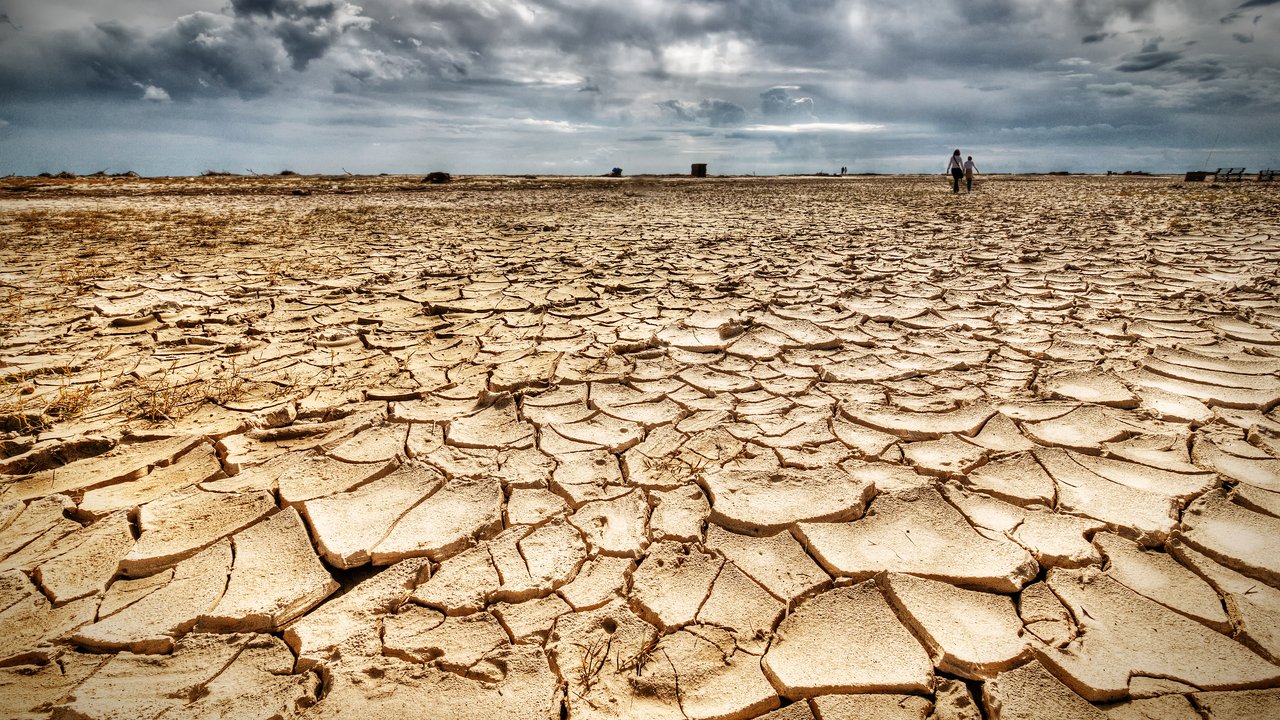
- There is compelling scientific evidence for the influence of climate change on changes in various weather extremes around the world, for instance on severe thunderstorms accompanied by hail in Europe, on wildfires in California, and on heatwaves, droughts and heavy rainfall in many regions globally.
- In recent years, tropical storms (called hurricanes, typhoons or cyclones, depending on the region where they occur) have been accompanied by increasingly extreme precipitation. There are also indications that, while the total number has remained largely unchanged, the proportion of especially severe storms is on the rise.
Climate change and greenhouse gases
A simplified explanation of a complex process
Individual loss events cannot be attributed to climate change alone. Nevertheless, the analysis of long-term trends based on climatological, underwriting and socio-economic data offers valuable insights into the evolving risks caused by weather-related hazards.
Insurers need to fully understand these changes for their own risk management. Over the past five decades, Munich Re has analysed the effects of global warming and natural climate variations on weather-related natural disasters. We focus on the risks involved, loss prevention, and new risk-transfer concepts. We use long-term meteorological and loss data to understand changes in risks and to adjust our high-resolution risk models accordingly. With this expertise, we can continue to provide our clients with the same risk capacity or, in some cases, even more.
Decisive action required
More prevention is vital
Curbing climate change

Newsletter
Solutions for the assessment and management of risks
Reinsurance solutions


Industry solutions




Contact our experts